Tilapia Trichodina
Tilapia Trichodina Clinical signs: from Trichodina infection: fish don't eat [...]
Fish and shrimp diseases rarely strike out of nowhere. In a healthy pond or tank the pathogens are already present at harmless levels — an outbreak is what happens when water quality slips, stocking density climbs, or an infected batch of fingerlings opens the door. This section is a practical guide to recognising, preventing and managing the fish diseases that cost aquaculture farmers the most — across tilapia, shrimp, catfish and sturgeon — and the husbandry mistakes that let them spread.
You'll find field guides to the bacterial, parasitic, viral and fungal diseases farmers meet most: streptococcosis, motile Aeromonas septicaemia and columnaris in tilapia; vibriosis, AHPND/EMS and white feces syndrome in shrimp; enteric septicaemia in catfish; and the bacterial and fungal problems of sturgeon. The thread running through all of them is the same — most disease is downstream of water. Prevention rests on two pillars: keeping water quality inside safe ranges and enforcing strict biosecurity, which is why reliable water testing, aeration, filtration and UV disinfection do more to protect a crop than any medicine cabinet. Browse the full library on our aquaculture blog.
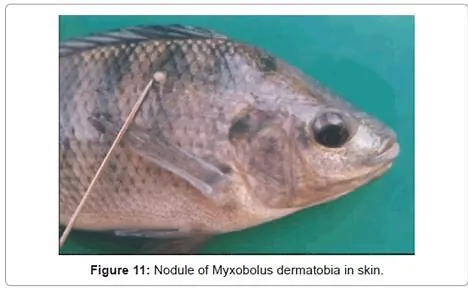
Tilapia Trichodina Clinical signs: from Trichodina infection: fish don't eat [...]
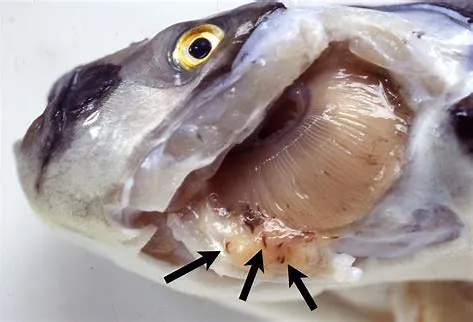
Tilapia Monogenea Clinical signs from monogenean infection: the fish become [...]
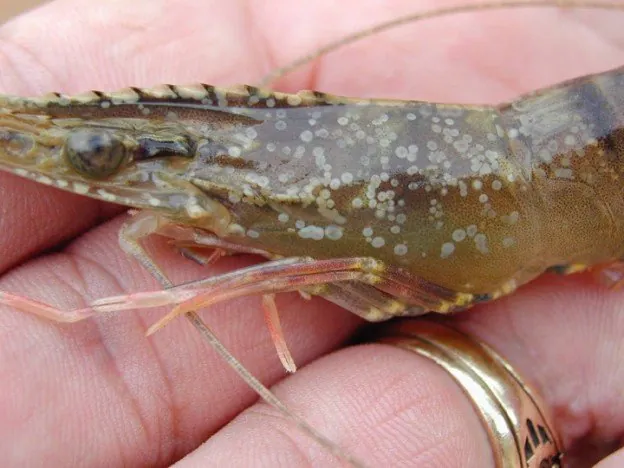
WSD and shrimp Harm to aquaculture can affect most of [...]
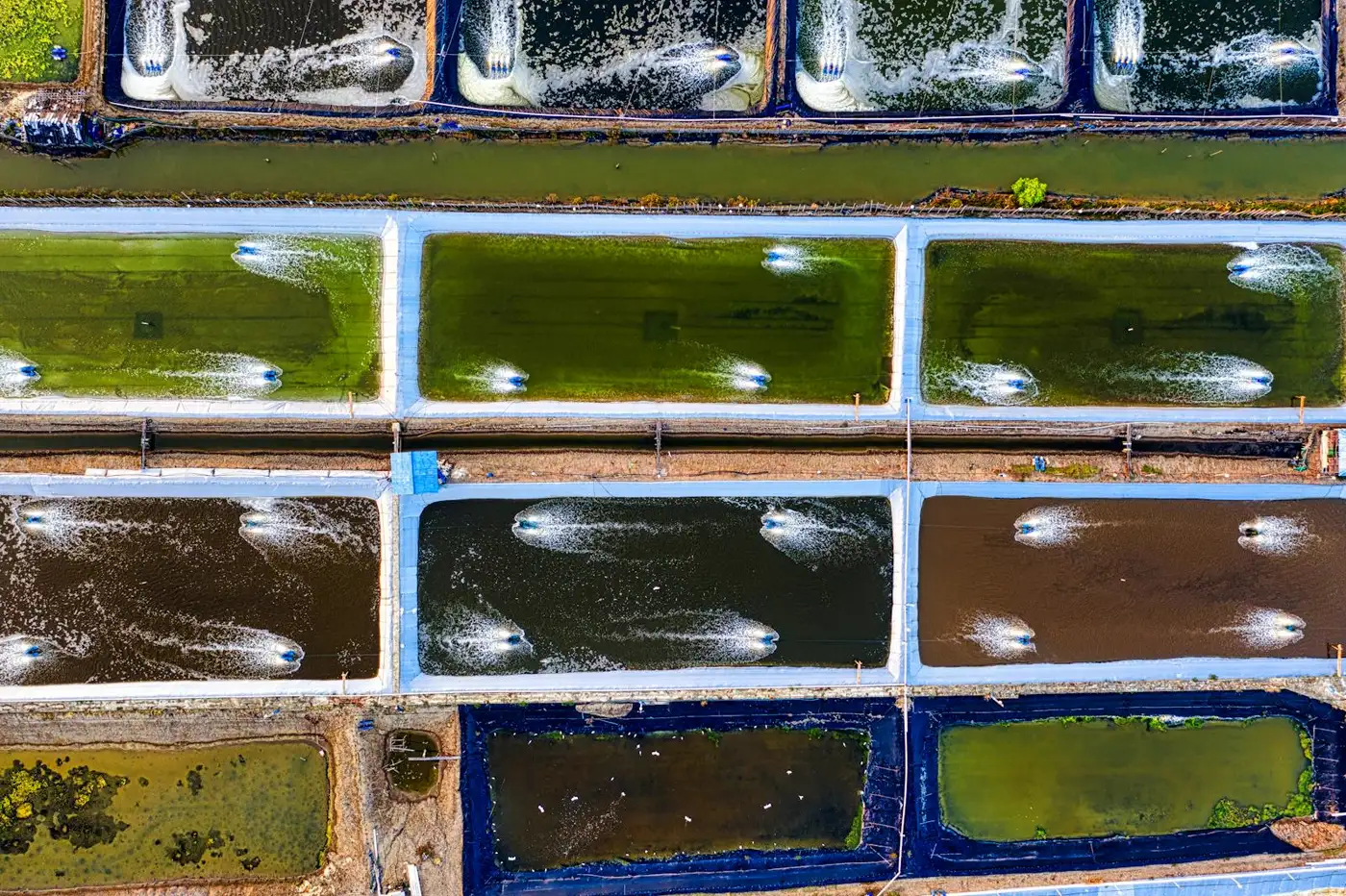
The real benefits of biofloc — 80–90% less water, 10–30% feed saved, higher density — plus the honest costs. Numbers from working tilapia and shrimp farms.
View details →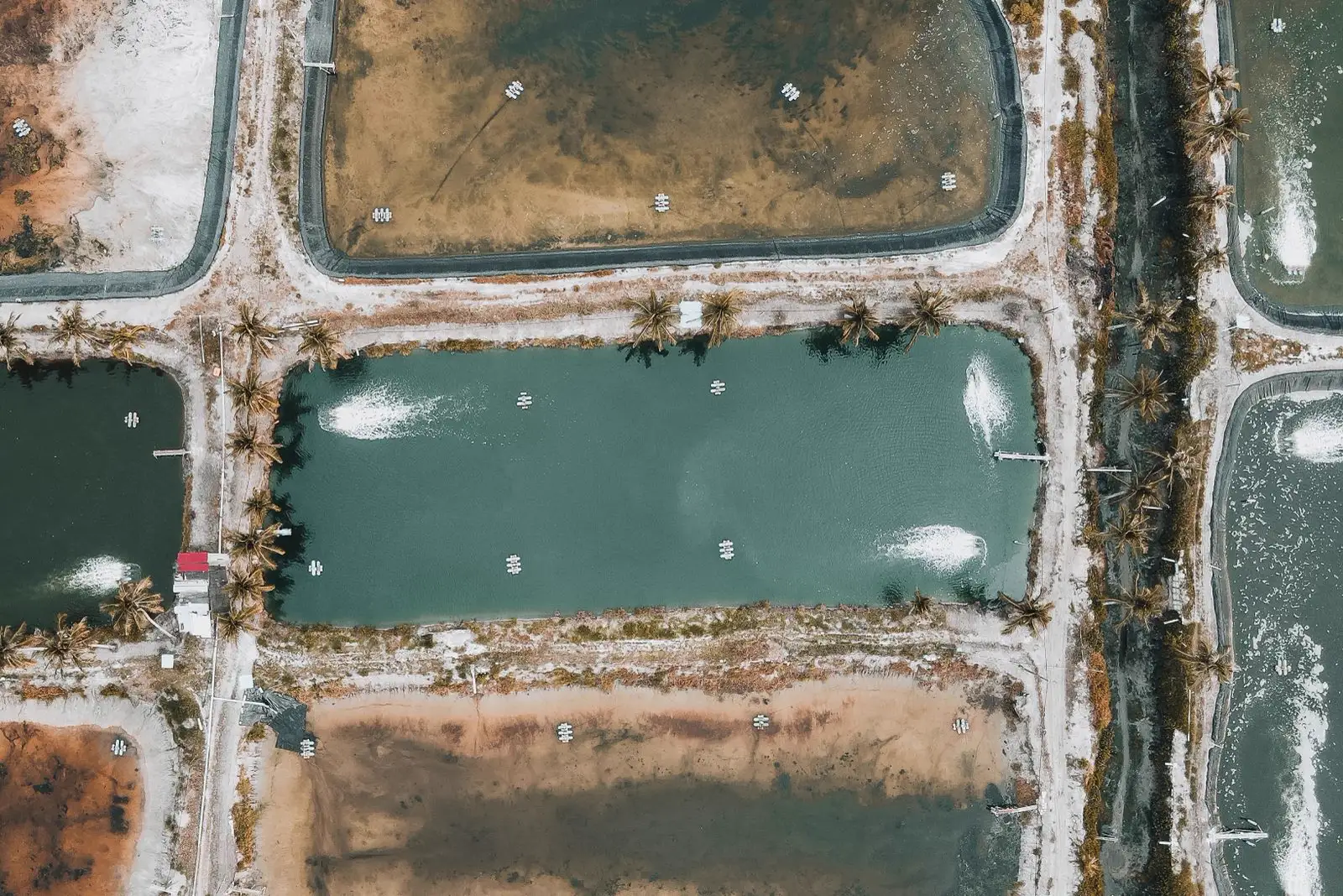
How to run biofloc water: set the C:N ratio, hold oxygen above 4–5 mg/L, keep floc at 200–500 mL/L, control solids and reuse water cycle after cycle.
View details →
SIGMA case study: a biofloc tilapia tank system engineered, manufactured and exported to Japfa Group for their aquaculture operation.
View details →
SIGMA case study: HDPE fish pond liner manufactured and exported to a fish farm in Ghana. See the project details on this page.
View details →
SIGMA case study: fish farming tanks manufactured and exported to a customer in Bangladesh. See the project details on this page.
View details →
SIGMA case study: fish farming tanks manufactured and exported to Nissui in Japan. See the project details on this page.
View details →
SIGMA case study: fish farming tanks manufactured and exported to a customer in Malaysia. See the project details on this page.
View details →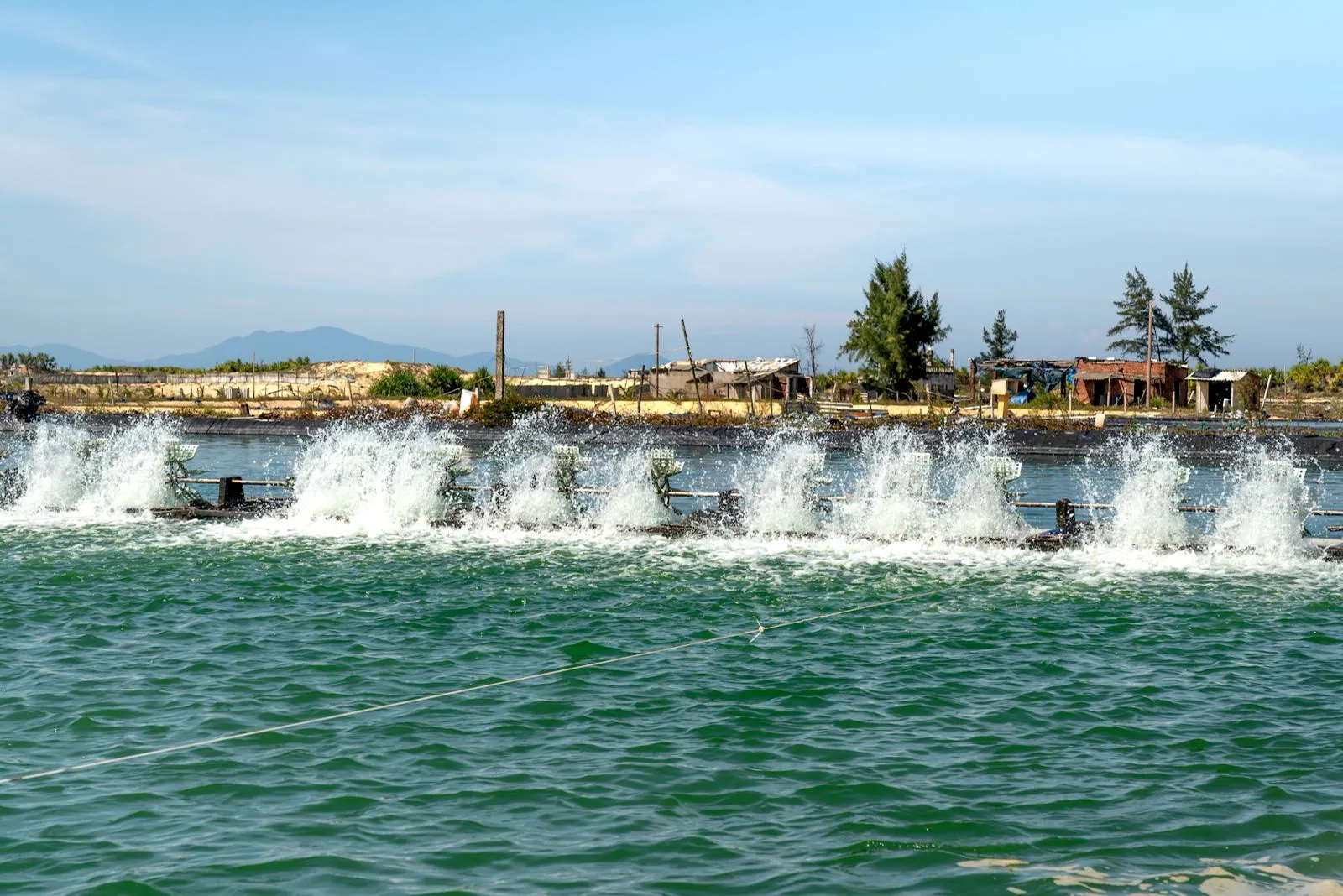
Biofloc technology turns fish waste into protein-rich microbial floc. Learn how it works, the C:N ratio, bacteria, costs and which fish suit it.
View details →
SIGMA case study: a super-large fish farming tank manufactured and exported to a customer in Mozambique. See the project details.
View details →