Application solution
Sturgeon Farming Equipment for RAS
Oxygen, filtration and water control for intensive indoor sturgeon RAS.
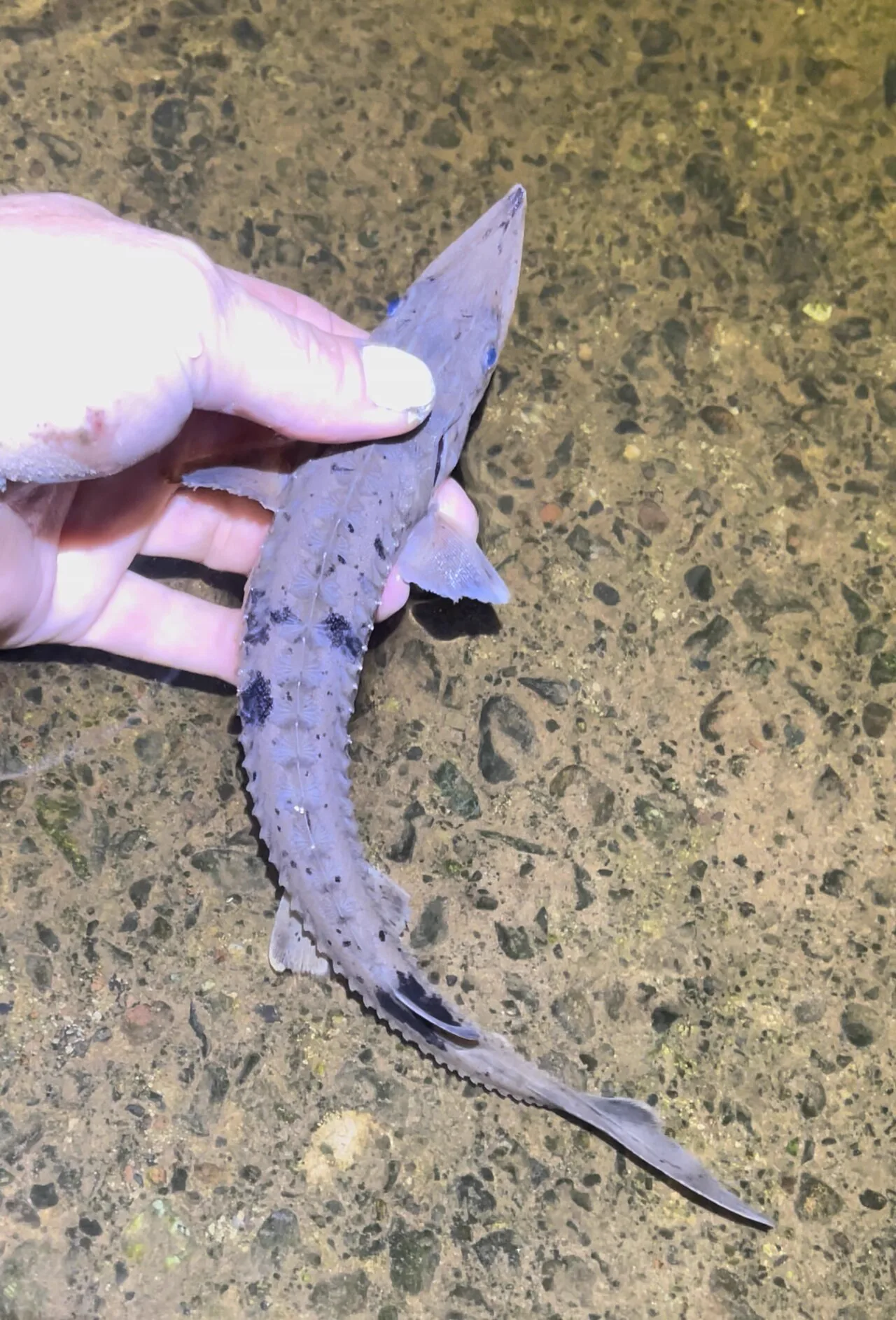
Sturgeon are long-lived, slow-growing and valuable for both meat and caviar, and almost all of them are now raised indoors in recirculating aquaculture systems (RAS). A RAS gives the stable temperature, year-round growth and tight biosecurity sturgeon need — but it seals the fish, the water and the waste into one loop, so the equipment that controls that loop decides the outcome.
In a sturgeon RAS you are really farming water: most losses trace back not to an exotic pathogen but to a water-quality mistake — an immature biofilter, oxygen left to chance, CO₂ never stripped out, or solids left to pile up. The equipment below targets each of those failure points.
How it works
How sturgeon RAS farming works
Sturgeon farming is intensive indoor aquaculture in a recirculating system (RAS), where the same water is filtered and reused continuously to give stable temperature and high biosecurity. Sturgeon are oxygen-hungry river fish, so a sturgeon RAS is built around holding dissolved oxygen high, stripping waste fast, and removing CO₂ — the fish are only as healthy as the water.
The loop runs in stages. A rotary drum filter removes solids before they smother the biological filter that converts ammonia to nitrate; a dissolved oxygen cone injects pure oxygen for the high demand of dense sturgeon, while a roots blower provides baseline aeration and degassing. A UV sterilizer lowers the pathogen load circulating through the loop.
The discipline that prevents disease is measurement. A multi-parameter water quality meter tracks oxygen, ammonia, temperature and pH — the numbers behind the opportunistic bacterial and fungal diseases of sturgeon and the nutritional and husbandry disorders that hit a poorly run system. The common operating mistakes are catalogued in sturgeon RAS management mistakes. The same RAS architecture underlies the build.
Build
System components
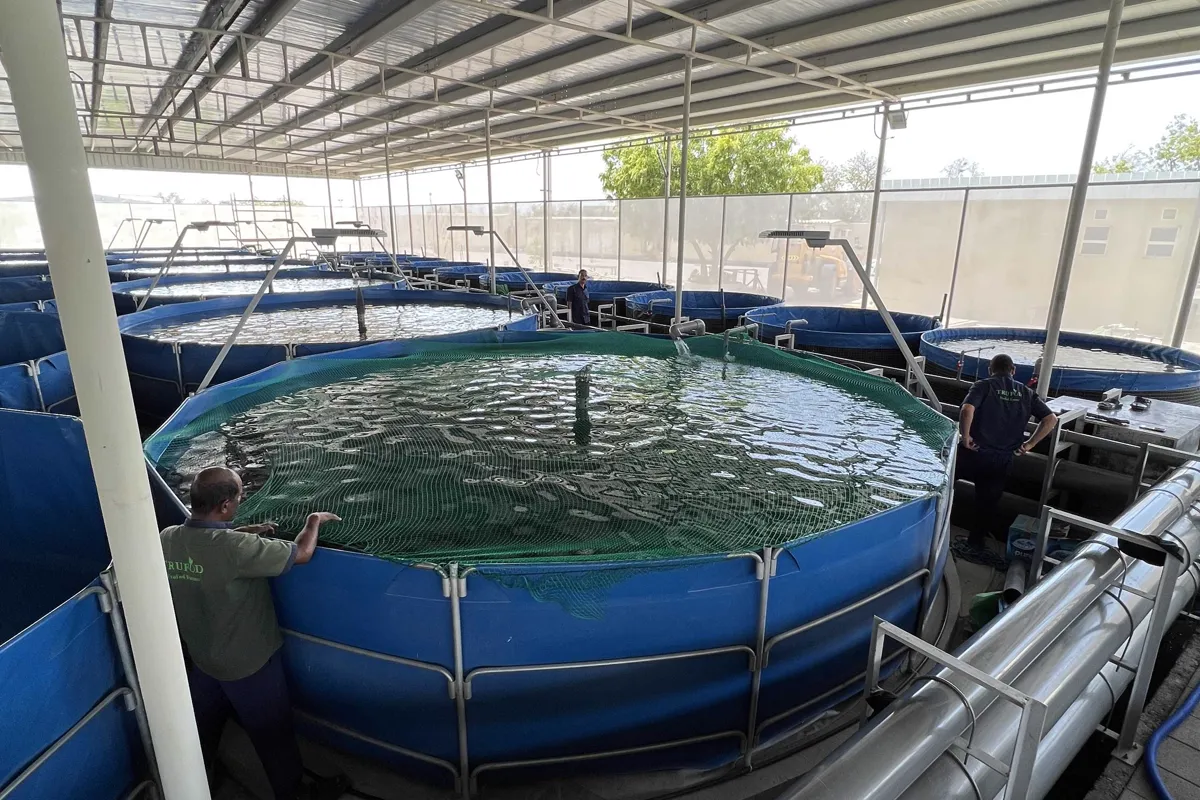
RAS system
The recirculating aquaculture system is the matched indoor loop that gives sturgeon stable temperature, year-round growth and biosecurity. Sized correctly, it holds the heavy biological load of dense, oxygen-hungry sturgeon without the water tipping out of balance.
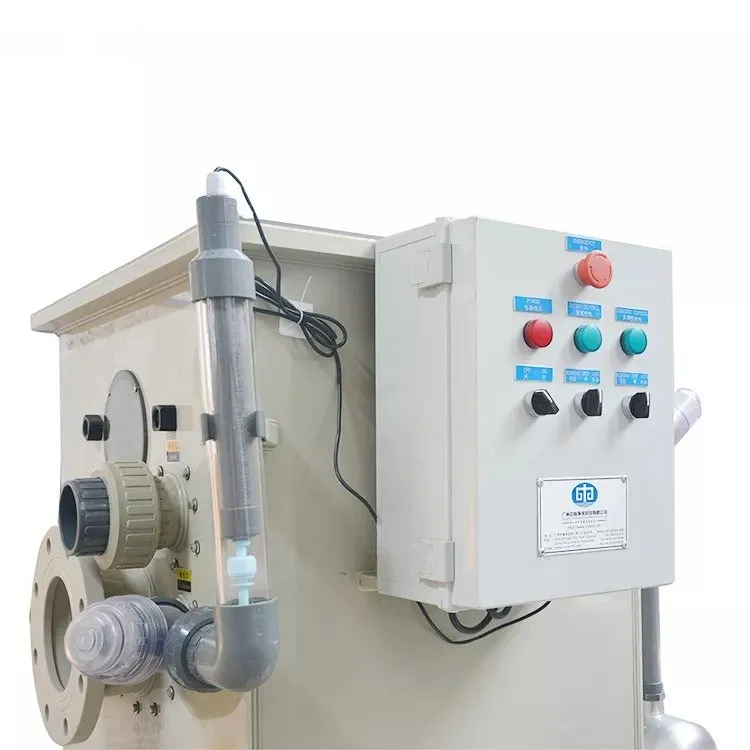
Rotary drum filter
Sturgeon are heavy feeders and heavy excretors, so the rotary drum filter strips uneaten feed and faeces before they overload the biofilter or feed a bacterial bloom. Mechanical solids removal first is what keeps ammonia from climbing.
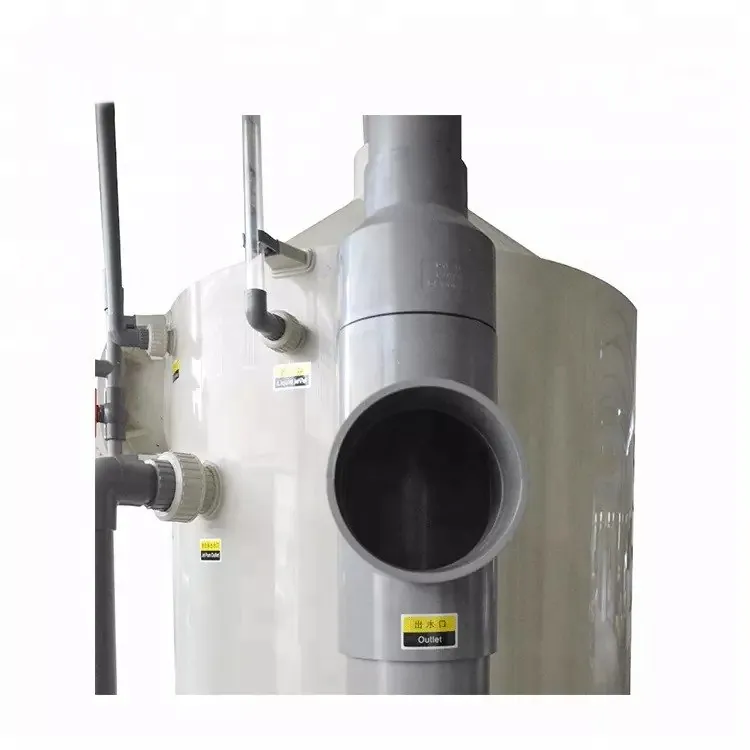
Biological filter
A generously sized biological filter converts the ammonia sturgeon excrete into nitrate — and it must be matured before stocking, because stocking onto an immature biofilter is the most common and most expensive beginner mistake in a sturgeon RAS.
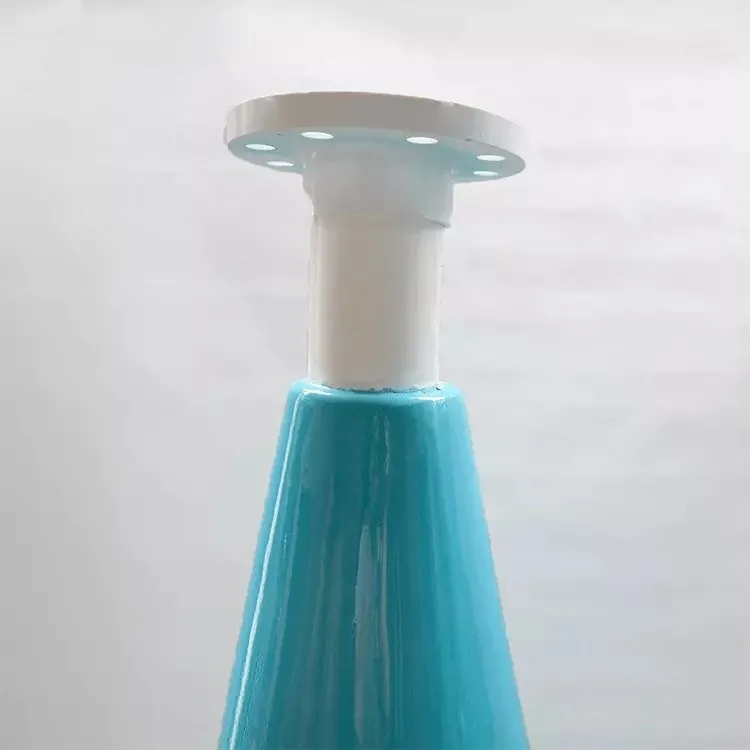
Dissolved oxygen cone
Sturgeon have an unusually high oxygen demand, and a stocked RAS loads far more biomass than air alone can supply. A dissolved oxygen cone injects pure oxygen efficiently to hold DO high through the post-feed peak — used precisely so it lifts oxygen without supersaturating the water and causing gas bubble disease.
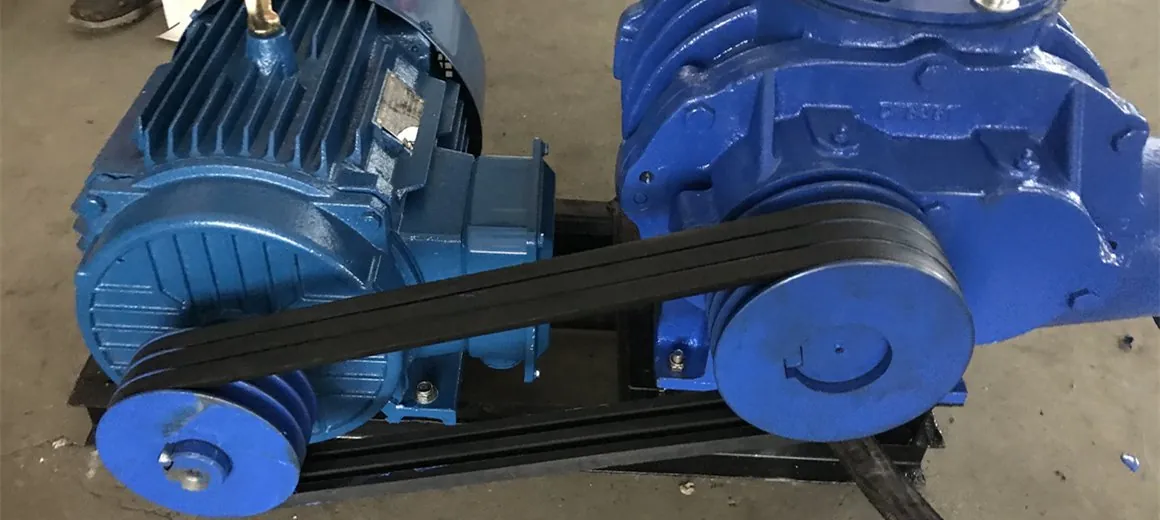
Roots blower
A roots blower supplies the continuous baseline aeration and the degassing airflow that strips CO₂ out of the loop. Robust and continuous, it is the workhorse air source of any sturgeon system — paired with pure-oxygen backup on independent power.
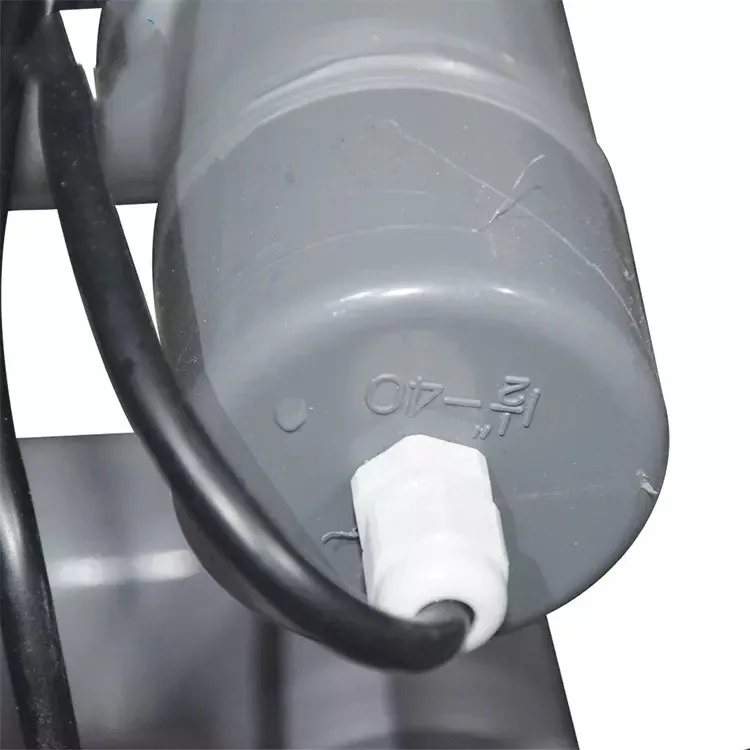
UV sterilizer
A UV sterilizer on the recirculating loop knocks down free bacteria and the Saprolegnia zoospores that circulate in a closed sturgeon system. It is a continuous biosecurity layer against the opportunists already living in the loop.
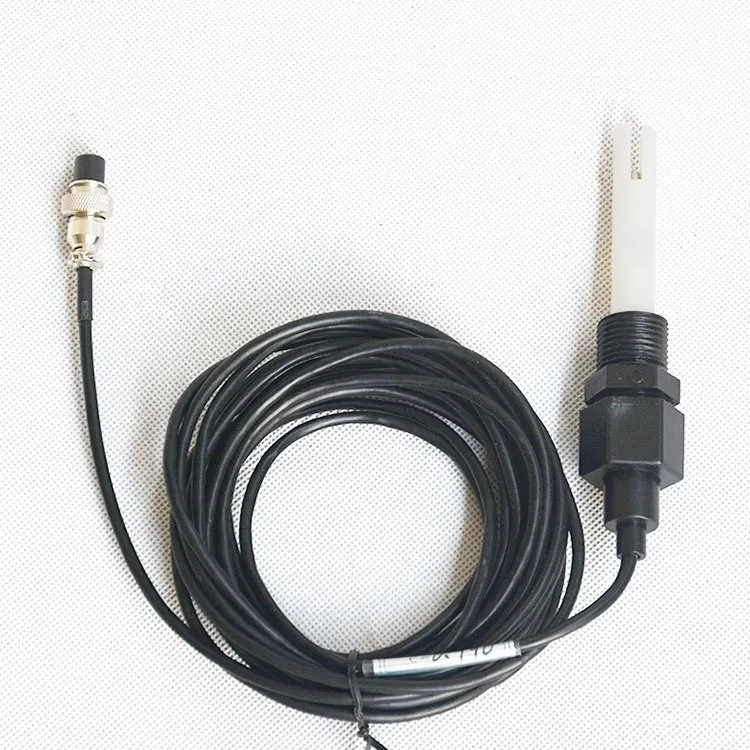
Water-quality monitor
A multi-parameter water quality meter reads the dissolved oxygen, ammonia, temperature and pH behind every sturgeon outbreak — and total gas saturation as an early warning for gas bubble disease. In a sick sturgeon RAS the water chemistry is the diagnosis.
Equipment
Recommended sturgeon RAS equipment
A sturgeon system is RAS-first: solids removal, a mature biofilter, pure-oxygen injection, degassing and water-quality control.
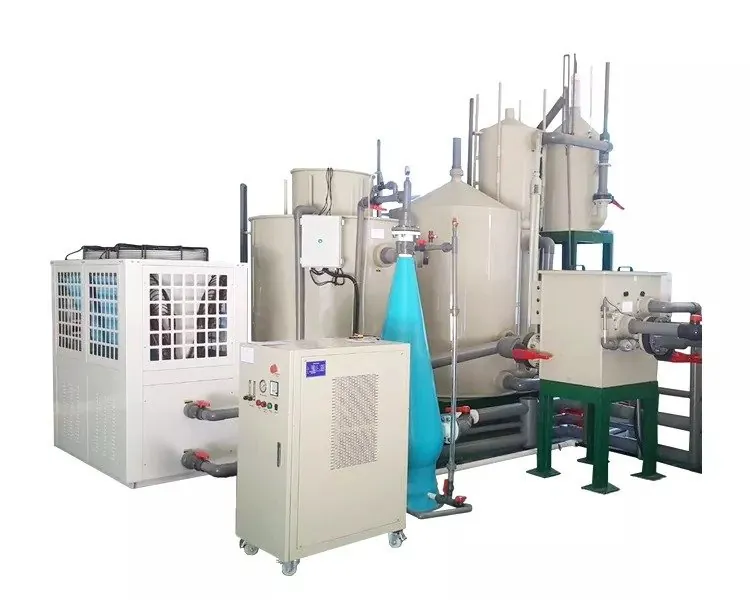
Complete recirculating aquaculture (RAS) systems: drum filters, biofilters, oxygen cones, pumps & monitoring. Custom-designed for your species & volume.
View details →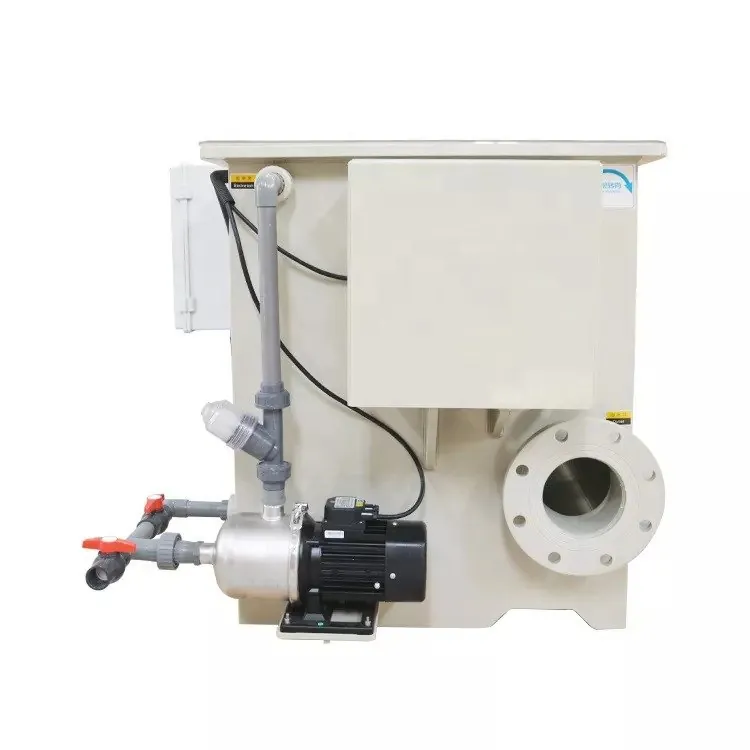
Self-cleaning rotary drum filters for RAS & aquaculture — automatic solids removal, multiple flow rates & micron options. Factory-direct from SIGMA.
View details →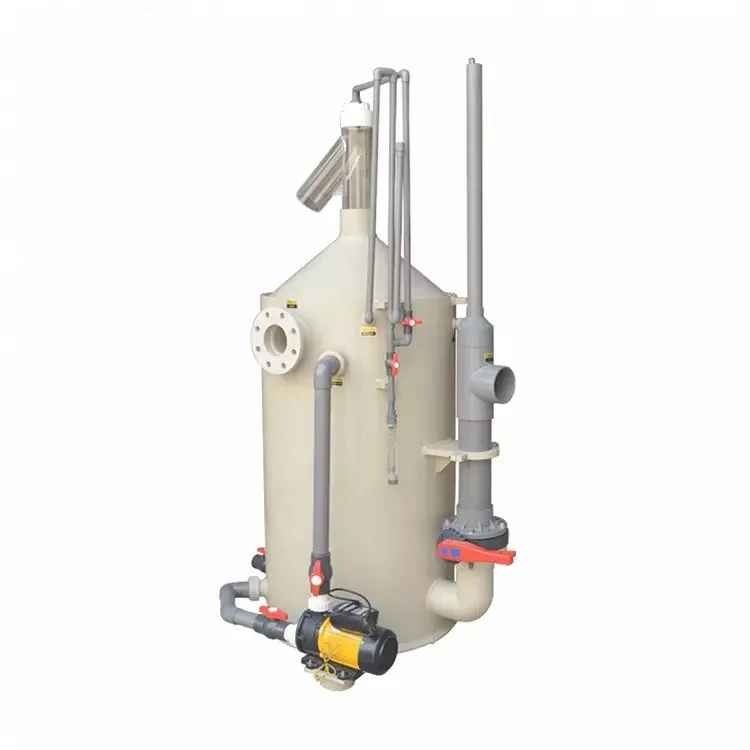
Moving-bed & media biofilters for RAS and aquaculture — high surface-area media, stable nitrification, removes ammonia. Factory-direct from SIGMA.
View details →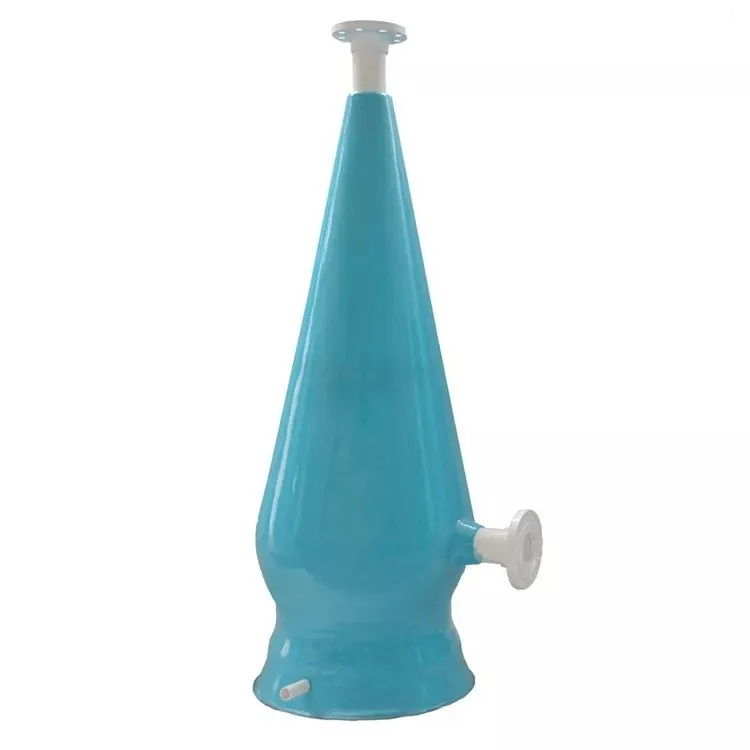
Oxygen / Speece cones that dissolve pure O2 for high-density RAS & biofloc farms. High transfer efficiency, multiple capacities. Manufacturer-direct from SIGMA.
View details →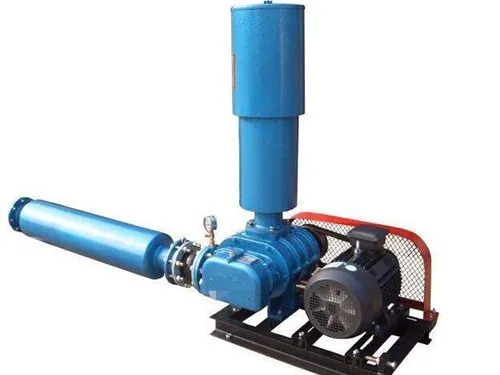
High-efficiency roots blowers for biofloc, RAS & pond aeration. Direct-from-factory pricing, multiple capacities, worldwide export from SIGMA.
View details →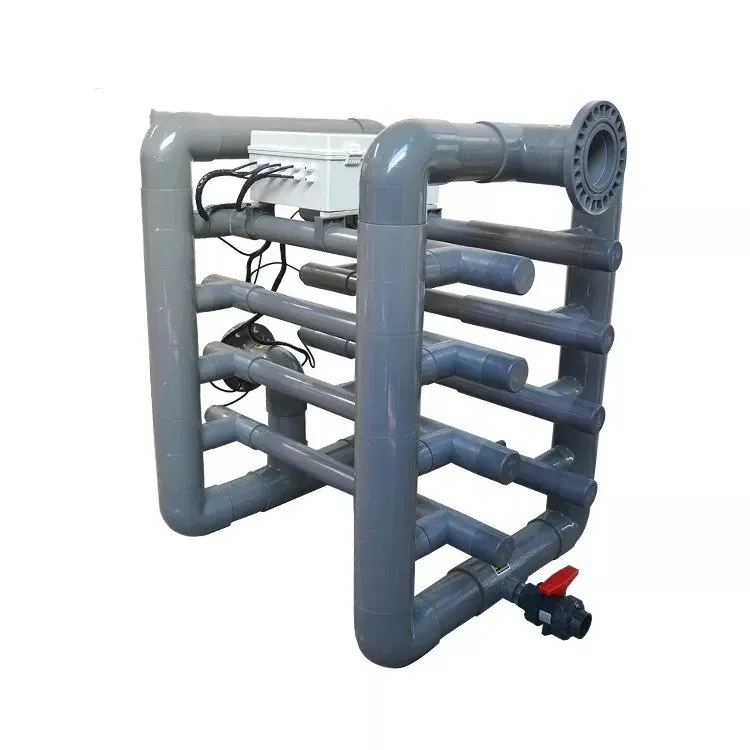
UV sterilizers for aquaculture & RAS — kill bacteria, parasites & algae spores, prevent disease without chemicals. Multiple flow rates, factory-direct from SIGMA.
View details →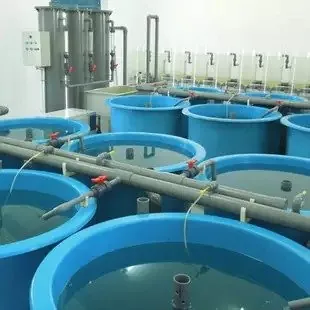
Corrosion-proof FRP (fiberglass) fish tanks for hatcheries, RAS & live-holding. Custom shapes & sizes, smooth food-safe surface. Manufacturer-direct from SIGMA.
View details →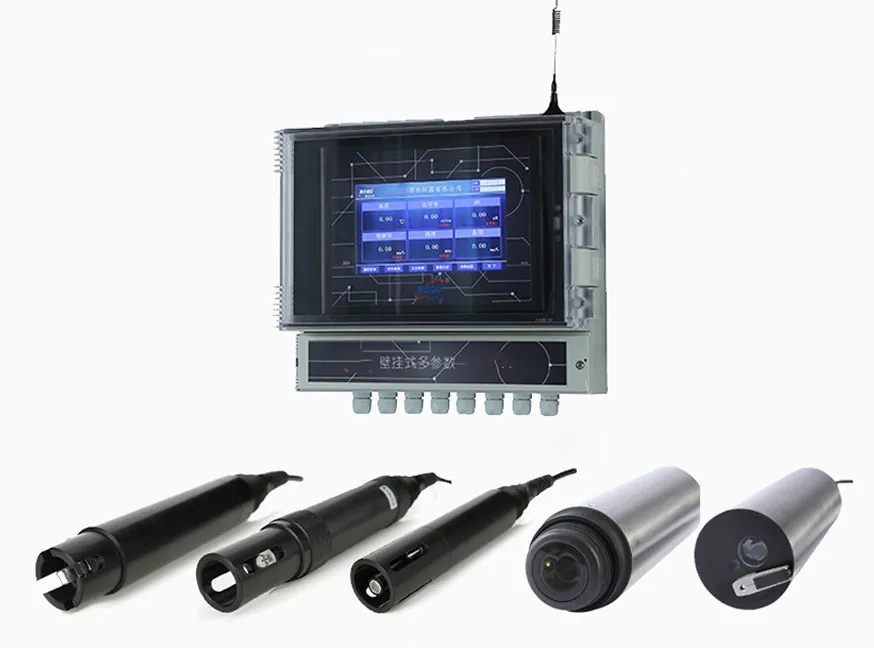
Online multi-parameter water-quality monitor for aquaculture — measures dissolved oxygen, pH, ORP, TDS & conductivity in real time. Factory-direct from SIGMA.
View details →Design & sizing
Design & operating tips
Mature the biofilter before you stock. A new biological filter has no nitrifying colony, so a full stock spikes ammonia then nitrite and poisons the fish before the filter catches up. Cycle the system, seed with probiotics, and verify ammonia-to-nitrate conversion by testing — not by the calendar.
Never leave oxygen to chance. Sturgeon are large, active and oxygen-hungry; hold DO comfortably above demand with a dissolved oxygen cone for the peaks and a roots blower for the base, on independent power — see the full range of oxygen equipment. A night-time DO crash is the single most common cause of mass loss.
Always degas. Fish and bacteria pump out CO₂ that accumulates in a closed loop, drops the pH and stresses the fish; build a degassing stage in. Push oxygen carefully, too — over-injecting without degassing causes gas bubble disease, to which sturgeon are notably sensitive, as detailed in sturgeon nutritional and husbandry diseases.
Watch the cold and the handling. Bacterial and fungal outbreaks cluster in the cold "artificial wintering" period and in the days after grading or transport; keep solids low, oxygen high and the water-quality meter honest. The mistakes to avoid are listed in sturgeon RAS management mistakes.
Learn more
Guides & technical articles
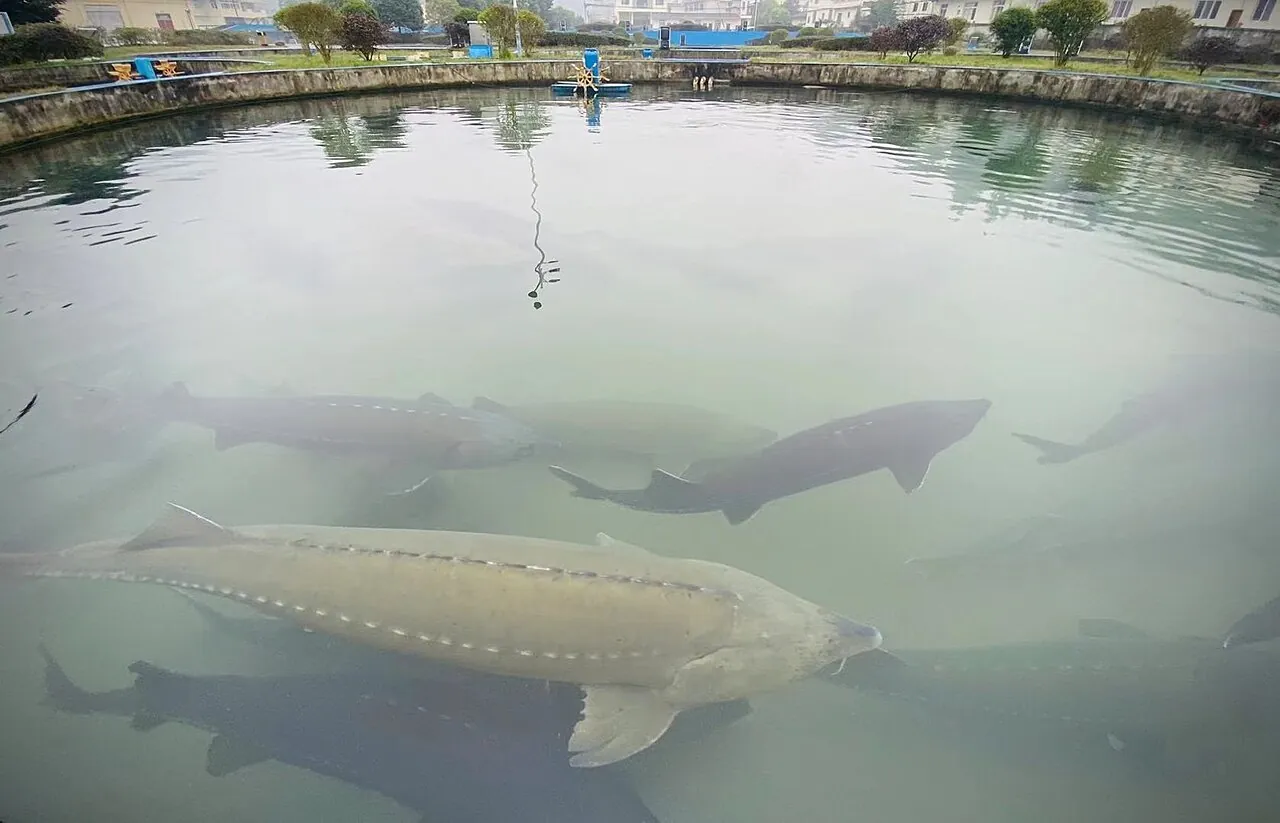
Nearly every sturgeon disease in a RAS starts as a management mistake. A guide to the diseases, the water-quality errors behind them, and how to fix them.
View details →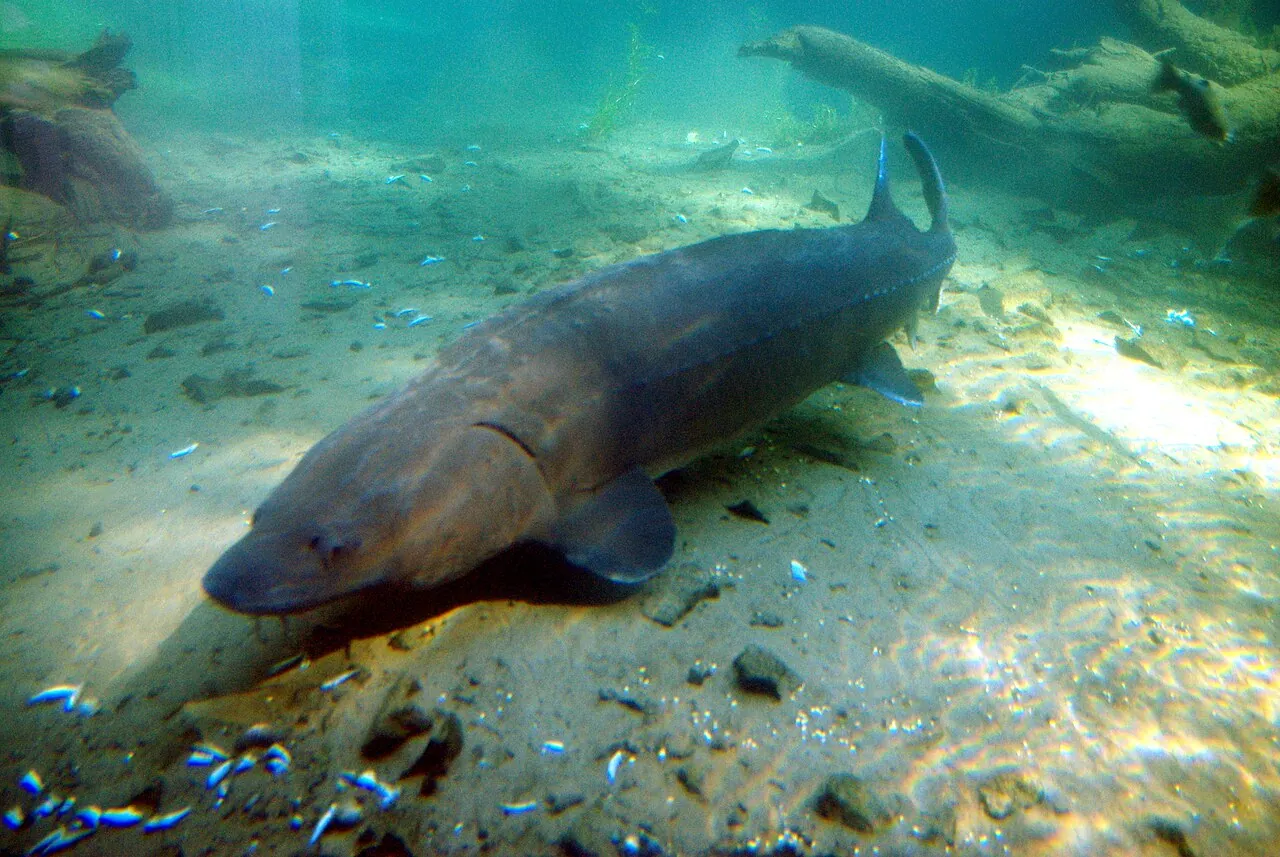
Aeromonas, Pseudomonas, columnaris and Saprolegnia hit sturgeon in RAS when water, oxygen or temperature slip. Spot the ulcers and fungus, fix the cause.
View details →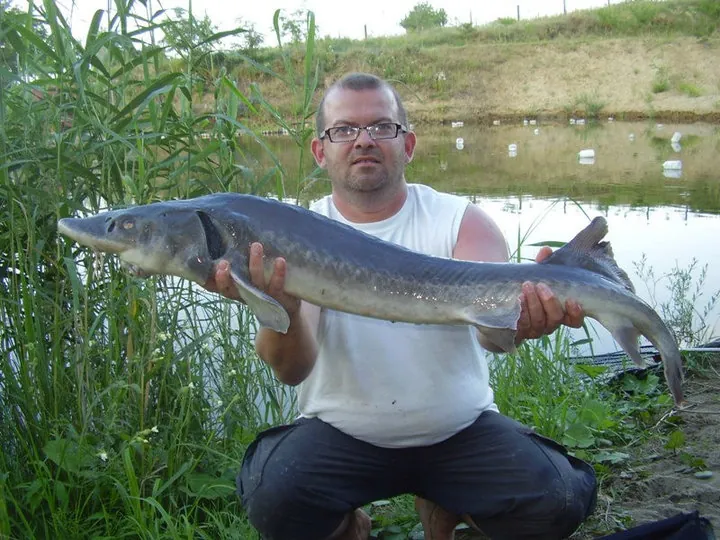
Most sturgeon losses in RAS aren't germs — they're fatty liver, gas bubble disease, low oxygen and deformities from feed and water errors. Here's the fix.
View details →FAQ
Frequently asked questions
Why are sturgeon farmed in RAS?
Sturgeon are slow-growing, long-lived and valuable for meat and caviar, and a recirculating aquaculture system gives the stable temperature, year-round growth, tight biosecurity and small footprint they need. Almost all intensive sturgeon farming today is done indoors in RAS.
What equipment does a sturgeon RAS need?
A sturgeon RAS needs a culture tank, a rotary drum filter for solids, a mature biological filter for ammonia, a dissolved oxygen cone and roots blower for oxygen and degassing, a UV sterilizer, a degassing stage and continuous water-quality monitoring — all matched to the heavy load sturgeon put on the water.
Why do sturgeon need so much oxygen?
Sturgeon evolved in cold, fast, oxygen-rich rivers and kept a high oxygen demand. They tolerate low dissolved oxygen less well than tilapia or catfish, and demand spikes after feeding and as temperature rises, so a stocked RAS needs pure-oxygen capacity, not just air.
What is gas bubble disease in sturgeon?
Gas bubble disease occurs when the water becomes supersaturated with gas — from a leaking pump suction or over-injected oxygen — and that gas comes out of solution inside the fish as bubbles in the gills, fins and blood. Sturgeon are notably sensitive, so the cure is degassing and measuring total gas saturation, not just oxygen.
What are the most common diseases in sturgeon farming?
The main threats are opportunistic bacteria (motile Aeromonas, Aeromonas salmonicida, Pseudomonas), columnaris, and the water mould Saprolegnia, plus non-infectious disorders such as fatty liver, gas bubble disease and low-oxygen stress. Nearly all are triggered by water quality, temperature or handling stress rather than an exotic pathogen.
What is the most common mistake in sturgeon RAS farming?
Stocking fish before the biofilter is mature is the most common and most expensive beginner mistake — ammonia and nitrite spike and poison the fish. Leaving oxygen to chance with no pure-oxygen backup, and never degassing CO₂, are the other classic failures.
Proof
Related export cases

SIGMA case study: a super-large fish farming tank manufactured and exported to a customer in Mozambique. See the project details.
View details →
SIGMA case study: fish farming tanks manufactured and exported to Nissui in Japan. See the project details on this page.
View details →Plan your aquaculture system
Tell us your species, target density and site, and our aquaculture engineers will spec the equipment combination for you.