Application solution
Catfish Farming Equipment
Tanks, aeration, feeding and water control for intensive catfish culture.
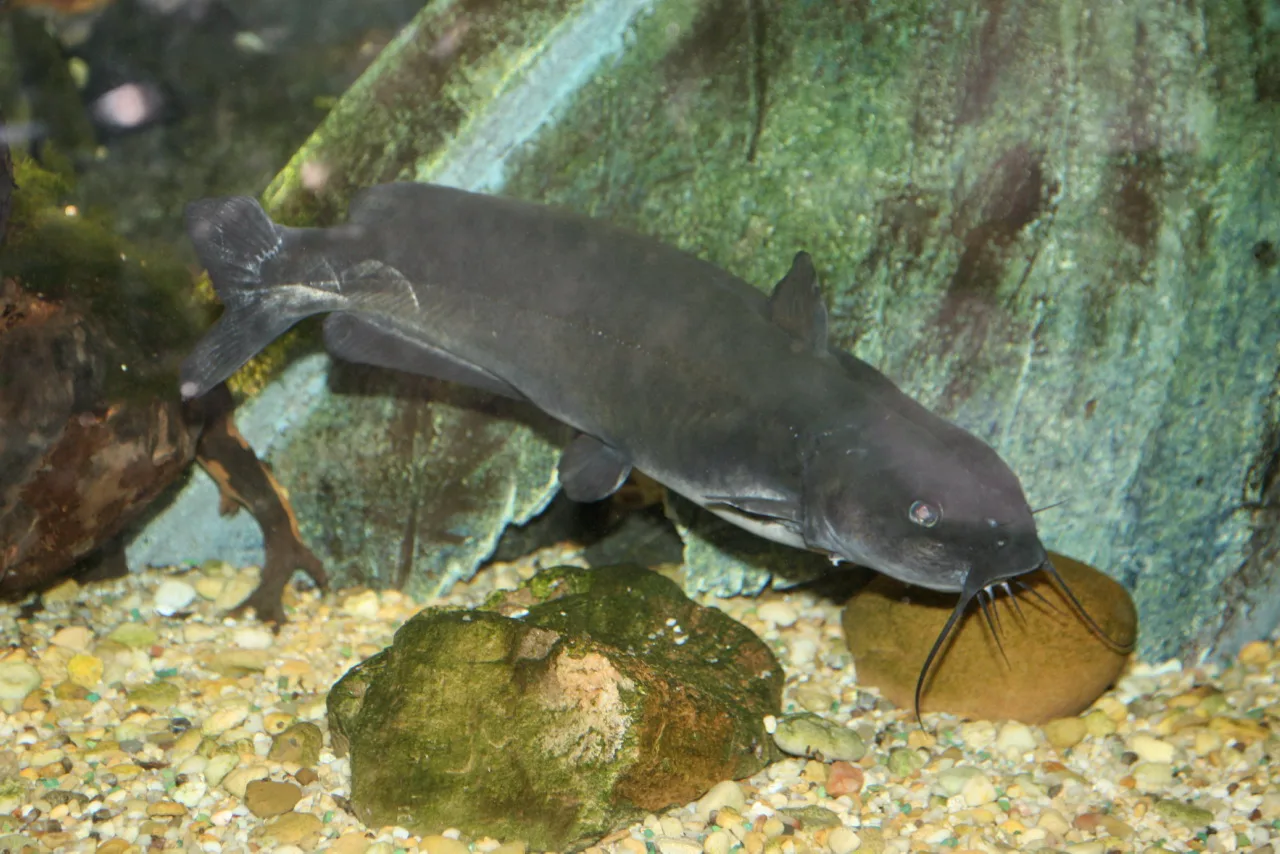
Catfish are about as tough as farmed fish get — African catfish (Clarias) gulp air at the surface, striped catfish (Pangasius) carry the Mekong export trade, and across Indonesia lele is farmed in backyard tarpaulin tanks. That hardiness is exactly why farmers push density, skip aeration and lean on the fish to absorb the abuse, right up until a pond crashes overnight.
In the great majority of catfish outbreaks the pathogen did not cause the loss — the routine did. Crowding, overfeeding and low oxygen hand the opening to ESC, columnaris and parasites. The equipment below is built around keeping density, water quality and feeding under control.
How it works
What intensive catfish farming needs
Intensive catfish farming raises African catfish (Clarias), striped catfish (Pangasius) or lele at high density in ponds and tarpaulin or HDPE tanks. Catfish tolerate crowding and low oxygen better than almost any farmed fish — which is exactly the trap, because a density the aeration and filtration cannot really support is an outbreak waiting for a warm week to trigger it.
Aeration and the right tank set the ceiling. A paddle wheel aerator and a roots blower hold dissolved oxygen up as density rises, while a durable HDPE tank or PVC tarpaulin tank gives the controlled, easy-to-clean environment intensive biofloc catfish culture needs.
Feeding and health are linked. Disciplined feeding with a feeder and good fish feed protects both growth and the bottom, while probiotics and a water-quality meter keep the opportunists in check — enteric septicemia (ESC), columnaris and parasites, all of which flare in warm, dirty, crowded water. The pattern is set out in catfish farming mistakes.
Build
System components
HDPE catfish tank
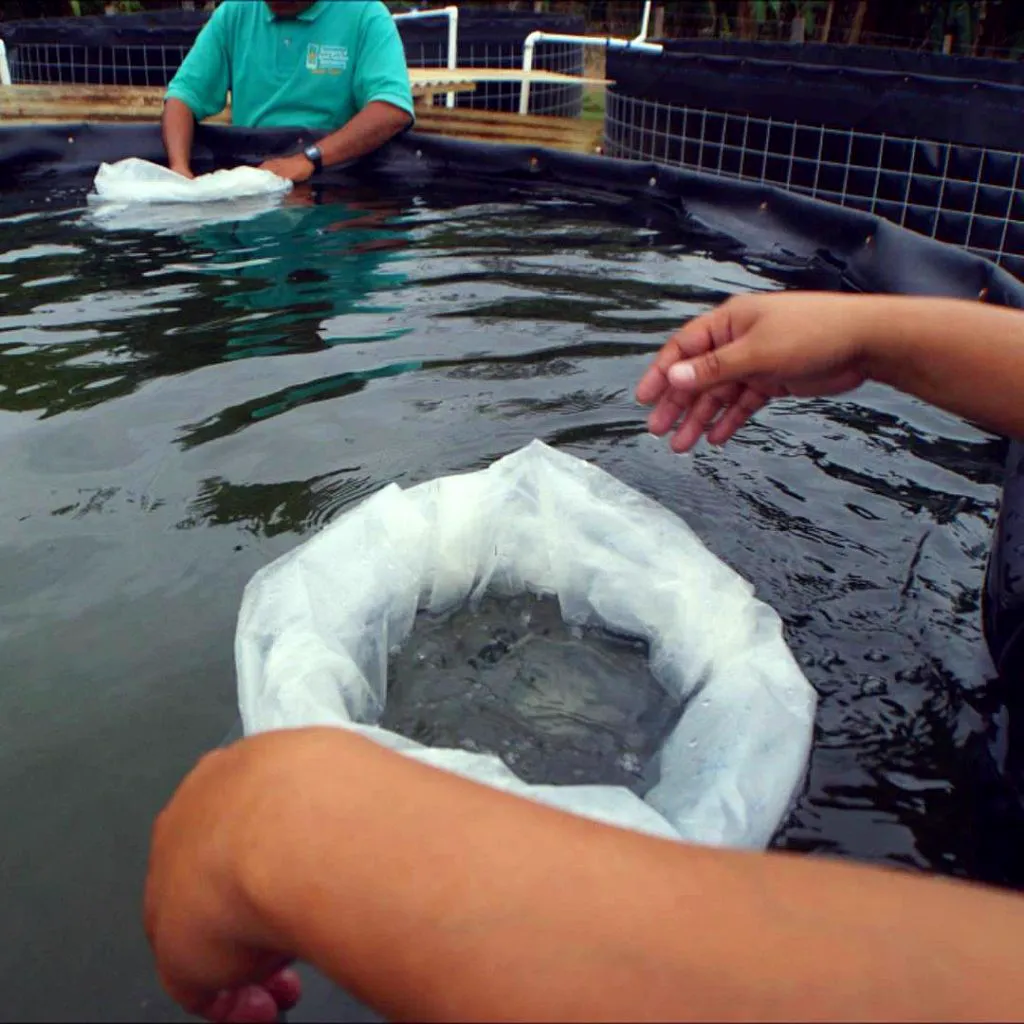
A round HDPE tank gives intensive catfish a durable, self-cleaning environment with even circulation — well suited to high-density biofloc lele and grow-out. Match the stocking density to the oxygen and filtration the tank can really support.
PVC tarpaulin tank
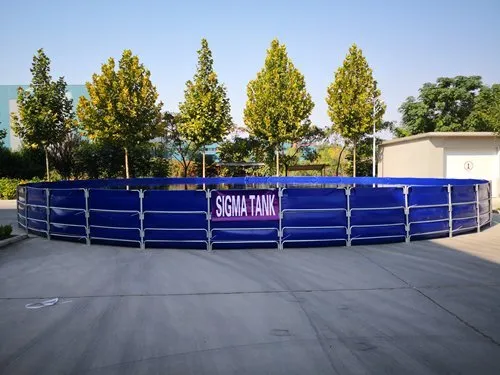
A PVC tarpaulin tank is the low-capex tank behind much of Indonesia’s backyard lele culture — a framed liner that is quick to set up and easy to drain and clean between cycles. Specify a heavy-gauge liner for a longer service life.
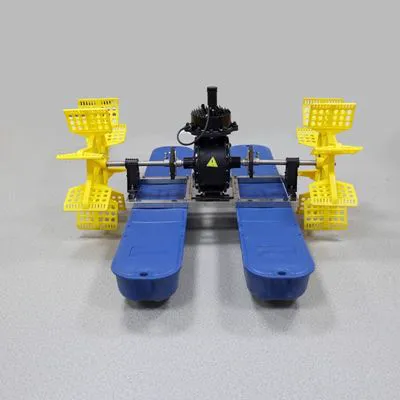
Paddle wheel aerator
A paddle wheel aerator lifts dissolved oxygen and circulates the pond, which matters precisely because farmers overstock catfish on the assumption they can take low oxygen. Tolerance is not health — chronic low oxygen stunts growth and opens the door to disease.
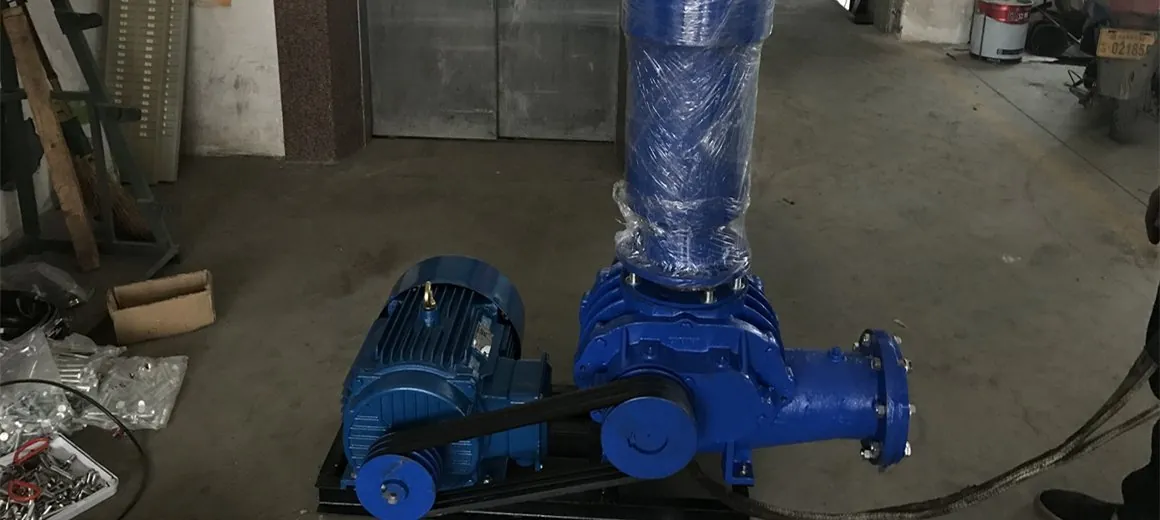
Roots blower
A roots blower feeds diffused bottom aeration for high-density tank and biofloc catfish, supplementing the surface oxygen from paddle wheels. Two complementary aeration sources are how intensive farms hold oxygen through the night and the post-feed peak.
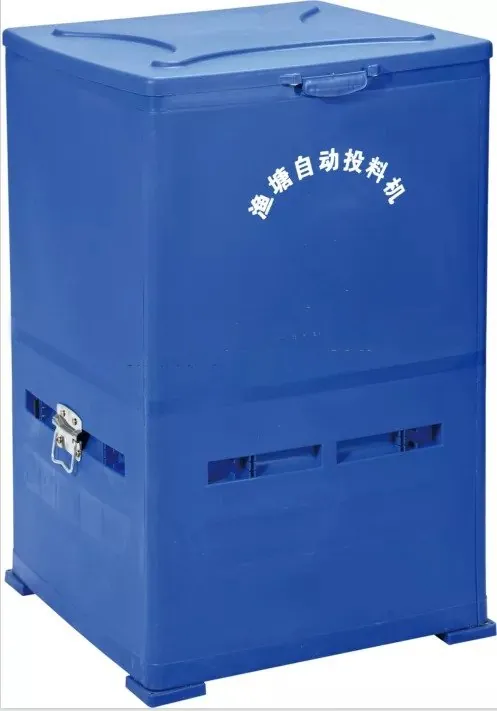
Automatic feeder
An automatic fish feeder delivers measured rations on schedule, which curbs the overfeeding that fouls the bottom and feeds bacteria. Steady, controlled feeding is one of the cheapest disease-prevention tools on a catfish farm.
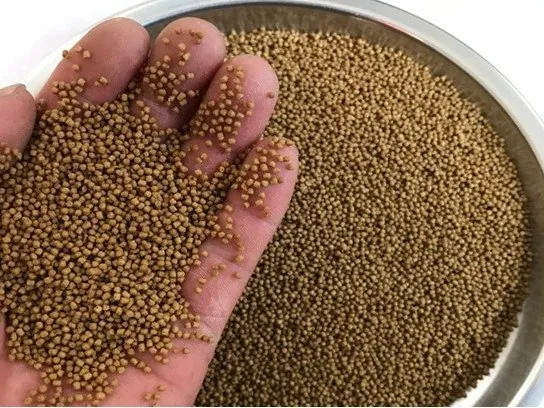
Catfish feed
Balanced catfish feed drives growth without the excess fat that causes fatty liver and drops disease resistance. Feed to appetite and water temperature, and stop feeding through an ESC outbreak — feeding spreads the disease as sick fish shed it.
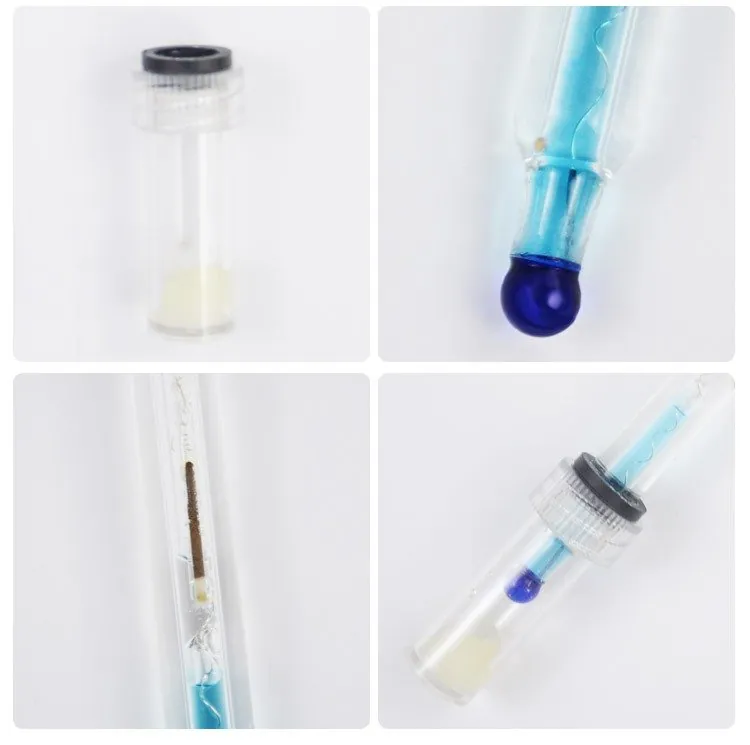
Water-quality monitor
A multi-parameter water quality meter reads the temperature, ammonia, dissolved oxygen and pH behind a catfish outbreak — and temperature is the first number for ESC, which flares in the warm 22–28°C window. In a sick pond the water is the diagnosis.
Equipment
Recommended catfish equipment
A catfish setup pairs a durable tank with strong aeration, controlled feeding and water-quality monitoring.
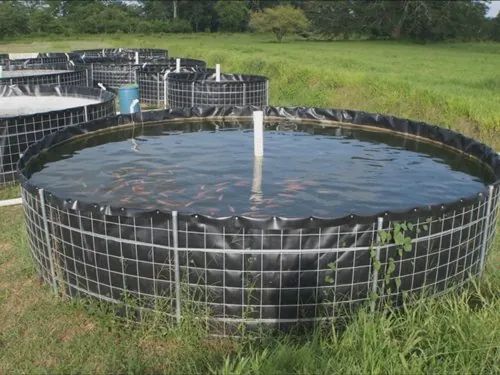
Durable HDPE fish-farming tanks — on-site welding, 15-year liner, lower cost than earthen ponds. Any diameter & depth. SIGMA ships worldwide. Get a quote in 12h.
View details → Modular PVC fish-farming tanks — quick assembly, energy-saving, food-safe liner, lower cost than concrete. Any size for biofloc & RAS. Factory-direct from SIGMA.
View details →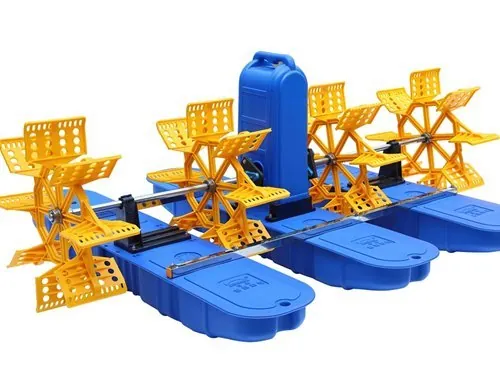
Energy-efficient paddle wheel aerators for shrimp & fish ponds — strong circulation & oxygen transfer, durable impellers. Multiple sizes, factory-direct from SIGMA.
View details →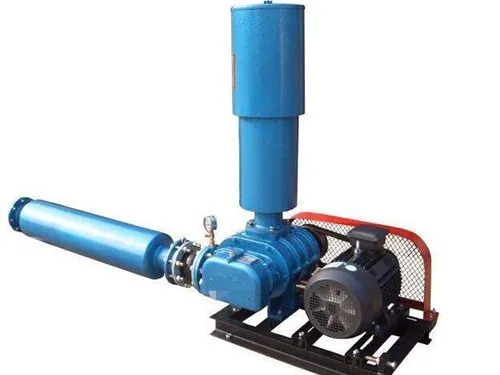
High-efficiency roots blowers for biofloc, RAS & pond aeration. Direct-from-factory pricing, multiple capacities, worldwide export from SIGMA.
View details →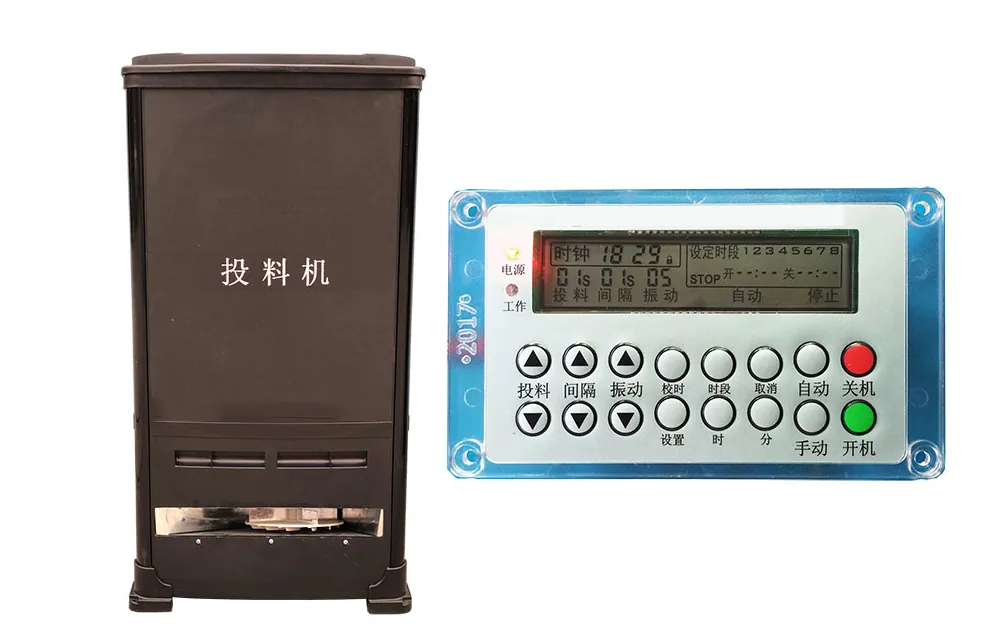
Automatic & smart fish-feeding machines for ponds, cages & RAS — programmable timing, even broadcast, saves labor & feed. Multiple capacities from SIGMA.
View details →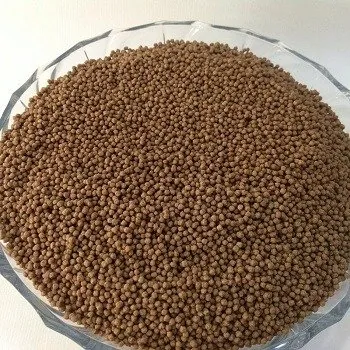
High-protein floating & sinking feed for tilapia, shrimp & carp — optimized FCR, stable in water, full size range. Bulk aquafeed supply from SIGMA.
View details →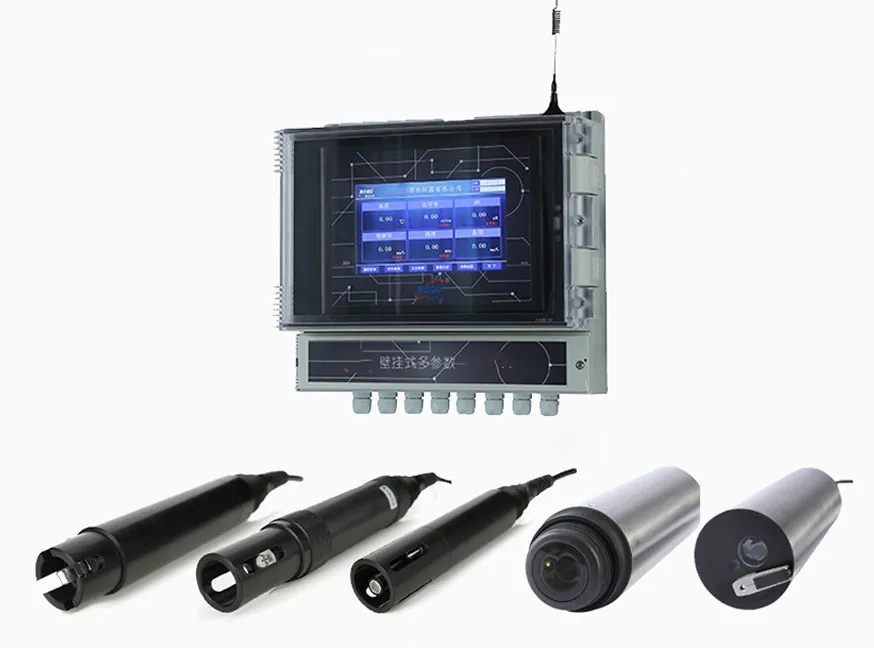
Online multi-parameter water-quality monitor for aquaculture — measures dissolved oxygen, pH, ORP, TDS & conductivity in real time. Factory-direct from SIGMA.
View details →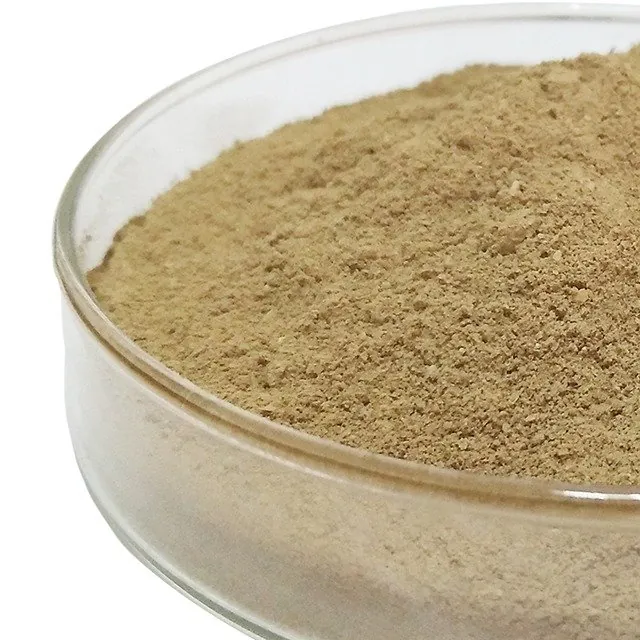
Aquaculture probiotics for biofloc, ponds & RAS — stabilize water quality, improve gut health & feed conversion, reduce disease. Bulk supply from SIGMA.
View details →Design & sizing
Design & operating tips
Stock to the oxygen, not to the fish’s tolerance. African catfish are stocked very densely in intensive lele biofloc tanks, but a density your aeration and filtration cannot actually support is a guaranteed outbreak — crowding multiplies waste, oxygen competition and disease contact at once. Match the build with the right aquaculture tank.
Control feeding to control disease. Use a feeder and a balanced feed to avoid the overfeeding that fouls the bottom and drives fatty liver; cut feed when oxygen drops, and stop it during an ESC outbreak because feeding spreads the bacterium.
Read the water and the temperature. Watch the water-quality meter: ESC flares in spring and autumn in the warm-but-not-hot window, while columnaris and parasites take warm, crowded, dirty water. Keep solids low, oxygen high and density honest, and support the system with probiotics and biofloc management.
Learn more
Guides & technical articles
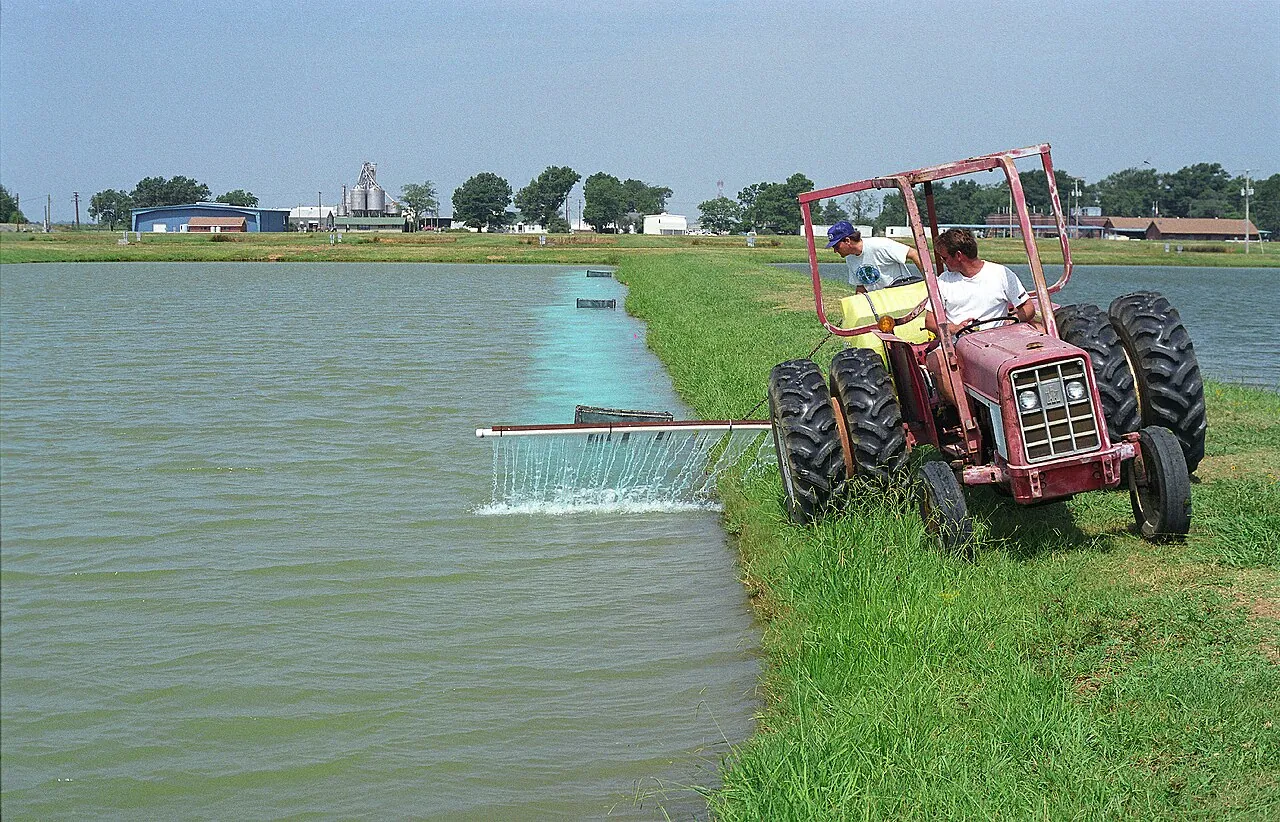
A field guide to the bacterial, parasitic and fungal diseases of farmed catfish — plus the management mistakes that let them spread and how to fix them.
View details →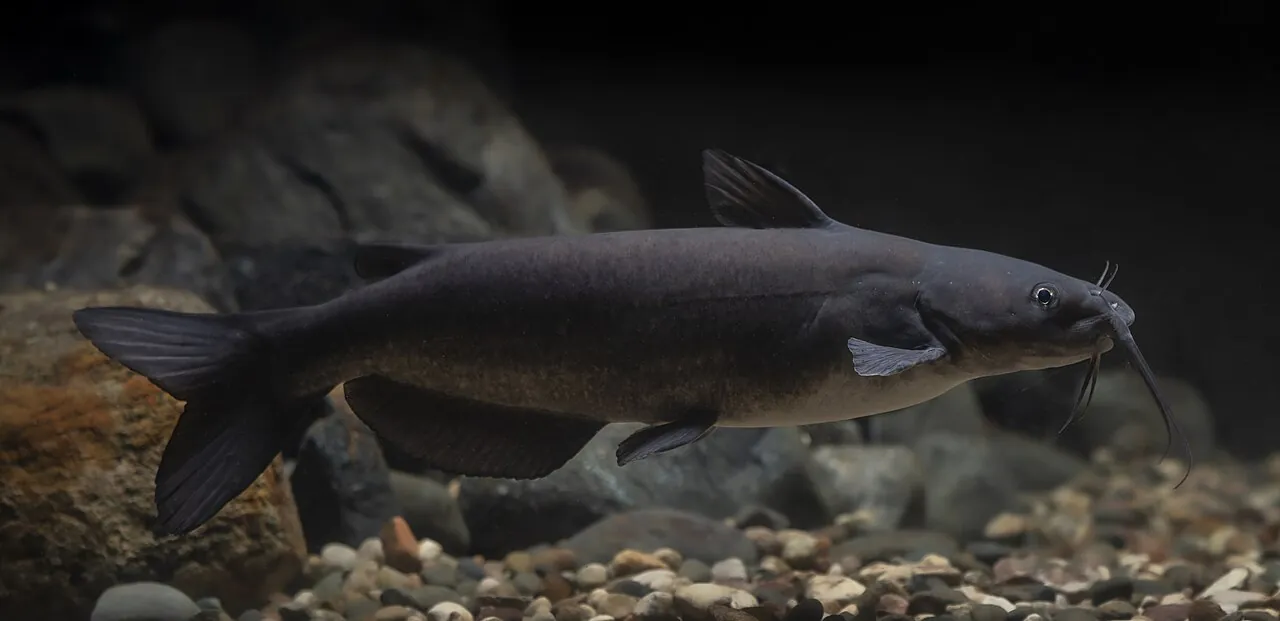
Edwardsiella ictaluri is the number-one bacterial killer of farmed catfish — hole-in-the-head, septicemia, mass die-offs. Spot it, treat it, fix the water.
View details →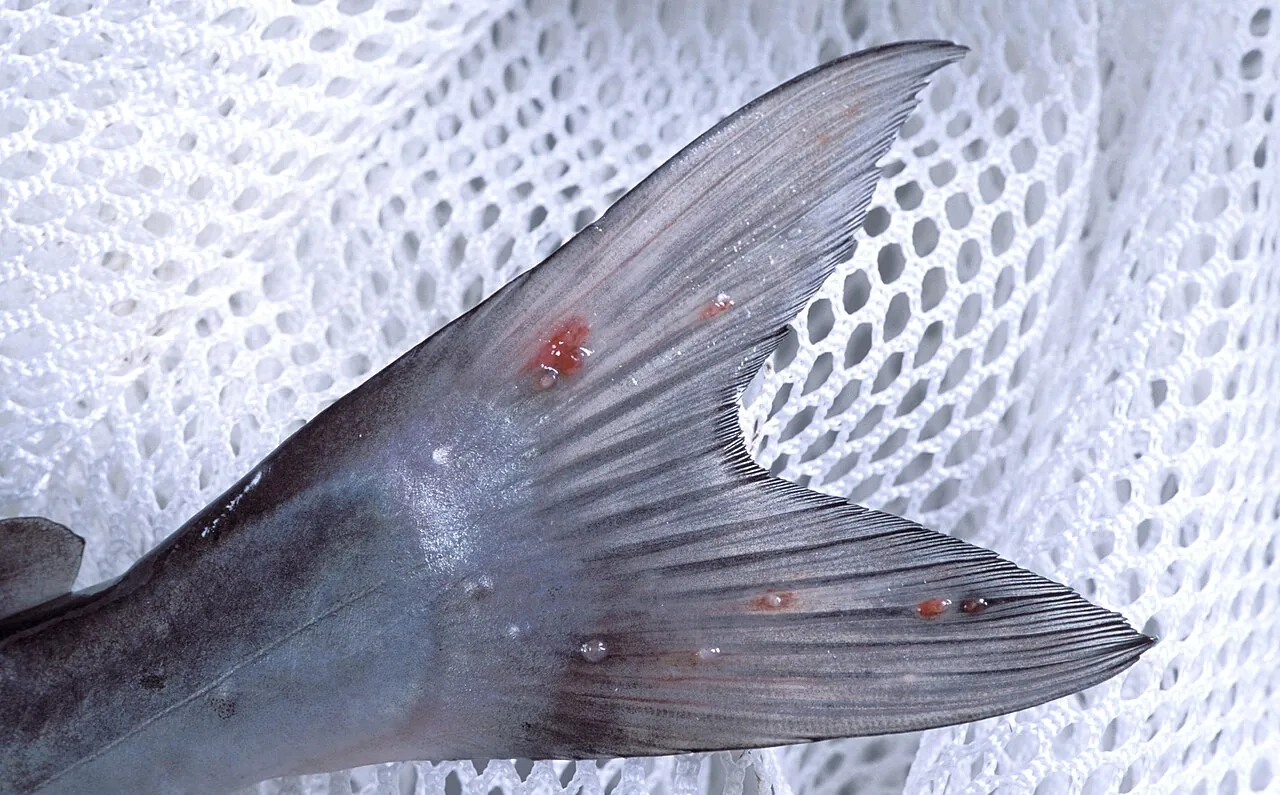
Columnaris (Flavobacterium columnare) rots catfish gills and fins, while Ich, Trichodina and flukes ride in on the same dirty water. Diagnose and treat.
View details →FAQ
Frequently asked questions
What equipment do I need to farm catfish intensively?
Intensive catfish farming needs a durable tank (HDPE or PVC tarpaulin) or pond, aeration from paddle wheel aerators and a roots blower, an automatic feeder and balanced feed, water-quality monitoring and probiotics. Stocking density is limited by the oxygen and filtration you can actually supply.
What are the most common catfish diseases?
The big ones are enteric septicemia of catfish (ESC, the same bacterium behind BNP in Pangasius), motile Aeromonas septicemia and columnaris among bacteria; Ich, Trichodina, gill and skin flukes and anchor worm among parasites; Saprolegnia fungus; and fatty liver from overfeeding. Most are triggered by warm, dirty, crowded, low-oxygen water.
If catfish tolerate low oxygen, why do I need aeration?
Tolerance is not health. Catfish survive low oxygen better than most fish, which tempts farmers to overstock — but chronic low oxygen stunts growth, damages gills and suppresses immunity, leaving the fish open to ESC, columnaris and parasites. Aeration keeps density safe.
What is ESC (enteric septicemia of catfish)?
ESC is the most damaging bacterial disease in catfish, caused by Edwardsiella ictaluri. It flares in the warm 22–28°C window of spring and autumn, causing off-feed, spiral swimming, haemorrhages, pop-eye and the "hole-in-the-head" lesion. In Pangasius nurseries a bad outbreak can drive high mortality, so prevention through water quality is key.
Can catfish be farmed in biofloc systems?
Yes. Catfish, especially African catfish (lele), are widely farmed in biofloc tarpaulin and HDPE tanks at high density. Biofloc needs continuous aeration, a watertight tank, probiotics and disciplined feeding to keep the floc water and biosecurity stable.
How does feeding affect catfish health?
Overfeeding fouls the pond bottom and feeds the bacteria behind ESC and Aeromonas, while too-rich feed causes fatty liver that drops disease resistance. Controlled feeding with a feeder and balanced feed — and stopping feed during an outbreak — protects both growth and water quality.
Proof
Related export cases
SIGMA case study: fish farming tanks manufactured and exported to a customer in Bangladesh. See the project details on this page.
View details →
SIGMA case study: HDPE fish pond liner manufactured and exported to a fish farm in Ghana. See the project details on this page.
View details →Plan your aquaculture system
Tell us your species, target density and site, and our aquaculture engineers will spec the equipment combination for you.