Floating and sinking lines
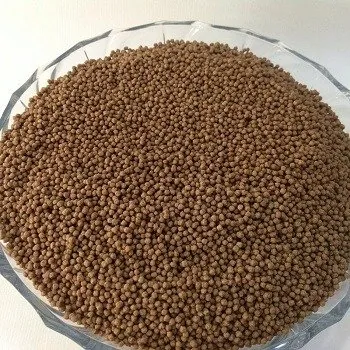
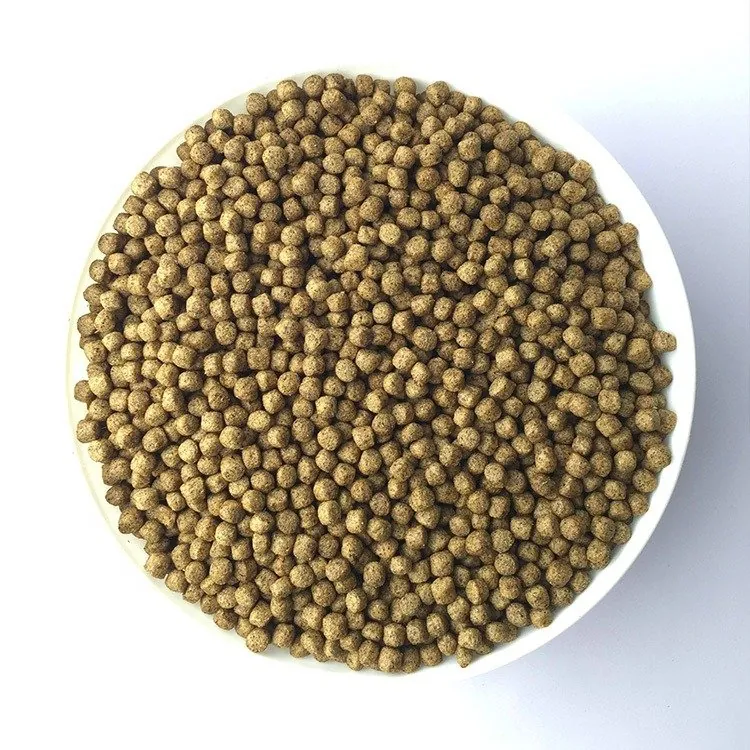
Floating extruded pellets let the farmer watch intake and avoid over-feeding; sinking pellets suit shrimp and bottom-feeding species.
Floating and sinking extruded aquaculture fish feed pellets — from fine fry crumble to grow-out — cover tilapia, catfish, carp, trout and vannamei shrimp, with protein levels from 28 to 45% matched by species and stage. SIGMA supplies fish meal for sale and complete formulated diets as experienced fish feed suppliers, including biofloc fish feed and shrimp lines. Water-stable pellets dissolve slowly, keeping nutrients in the fish rather than in the water.
15+ years in aquaculture engineering · Trusted by Japfa Group, Japan Nissui & Tropo Farms · Shipped worldwide in one container
Product Description
According to the growth habits of juvenile, young, and adult tilapia fish, the appropriate feed for each growth stage was developed. High-quality tilapia fish feed has good palatability, fast growth, a strong physique, good color, and a high rate of skin characteristics! aquaculture feed contains pure natural algae, minerals, vitamins, probiotics, and a variety of enzyme preparations, more conducive to the healthy growth of tilapia fish, while not corrupting water quality or substrate.
Advantage:
1) Refer to the feeding table when feeding, and adjust appropriately according to the stocking density, weather, water quality, and other conditions. It is advisable to eat the shrimp within 1-2 hours, and feed 3-5 times a day.
2) Spread evenly along the shrimp pond when feeding;
Replace the material gradually during refueling, and it is advisable to complete the refueling within 3 to 5 days. Store in a cool, ventilated, and dry place. Use up as soon as possible after opening the bag.
3) 8%-15% of body weight in the early period, 3%-7% in the middle Late 1.5%-2.5%.
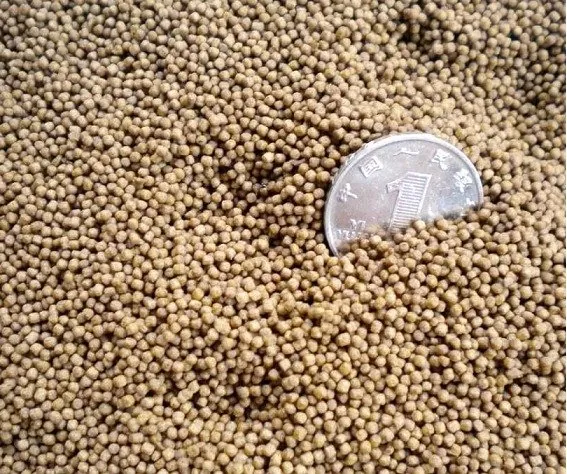
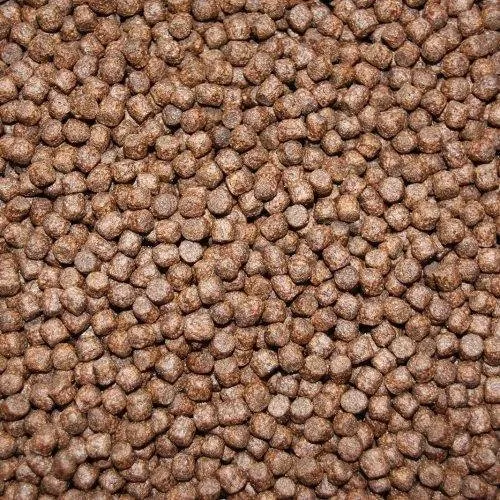
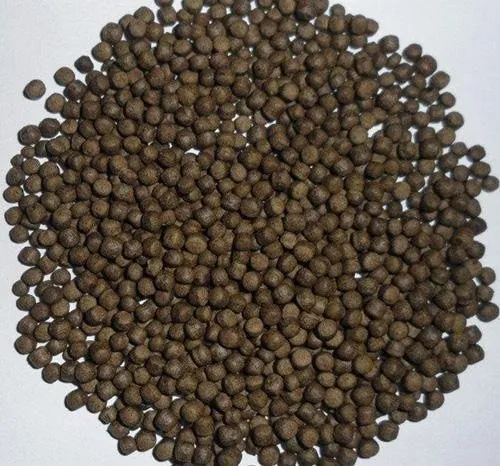
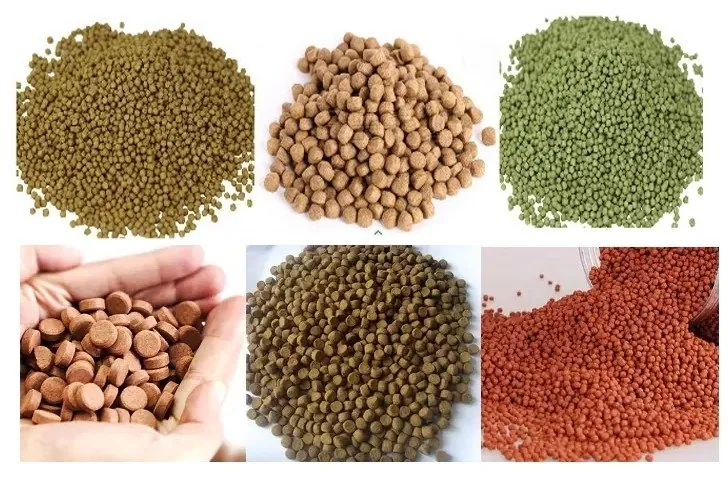
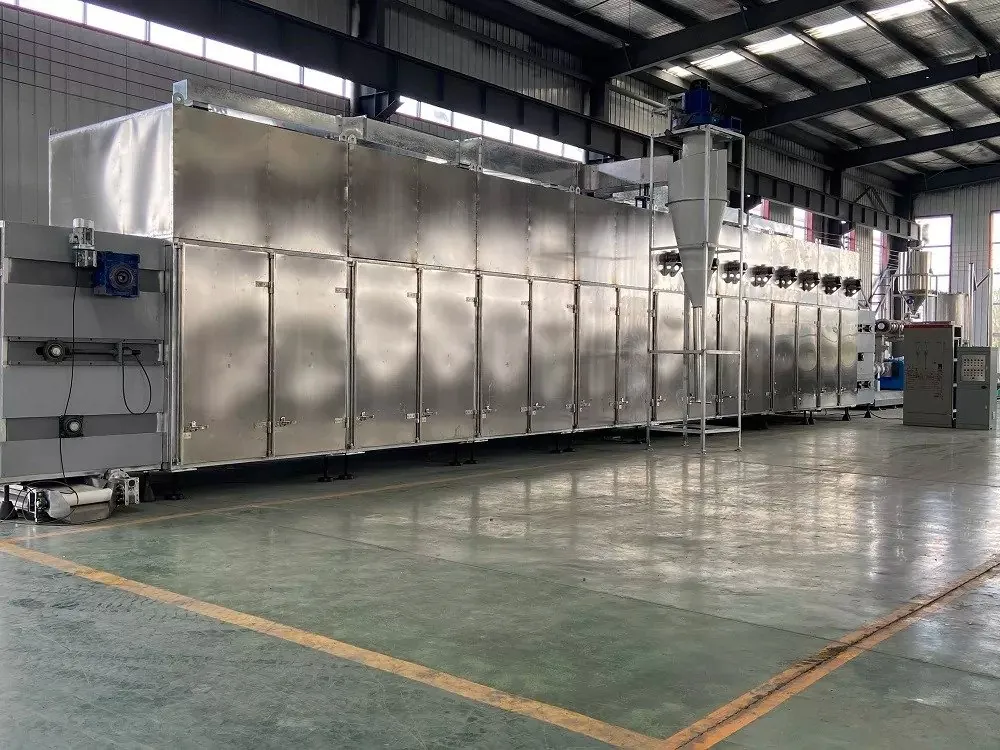
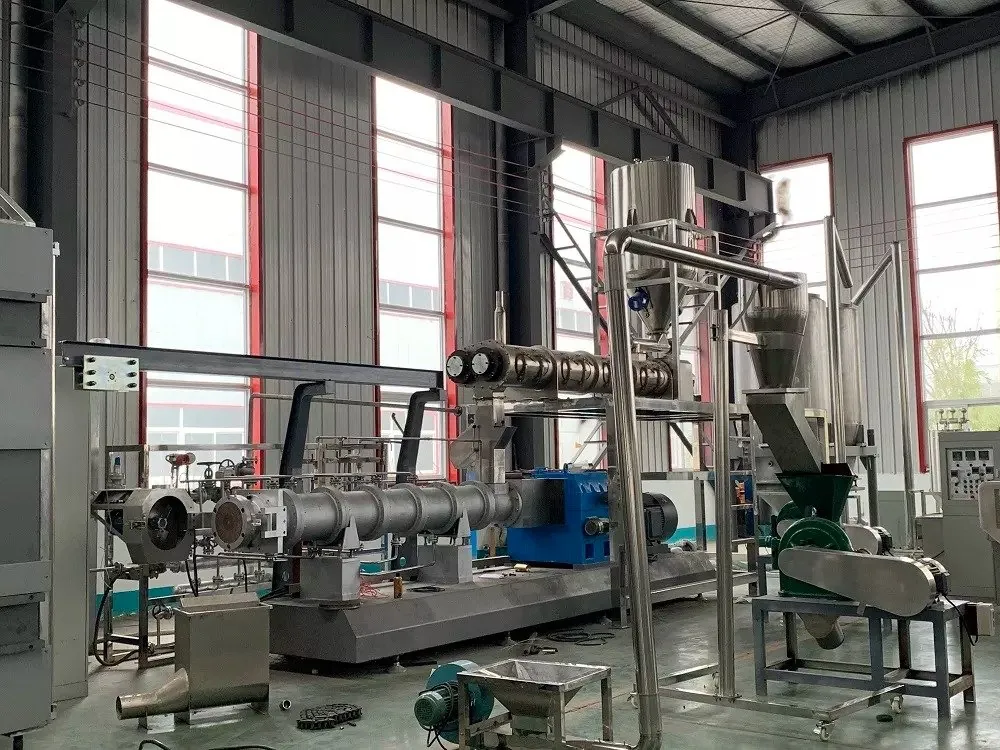
Specifications
Protein steps and pellet sizes are the standard production range — exact formulation is confirmed per SIGMA production batch.
| Model | Capacity | Typical use | Core configuration |
|---|---|---|---|
| SIGMA-FD-S Inquire → | 40–45% protein · 0.5–1.5 mm | Fry / first-feeding crumble | Extruded floating |
| SIGMA-FD-J Inquire → | 36–40% protein · 2–4 mm | Juvenile stage | Extruded floating |
| SIGMA-FD-G Inquire → | 28–36% protein · 5–8 mm | Grow-out | Floating / sinking |
| SIGMA-FD-SH Inquire → | 36–42% protein · 1–2.5 mm | Whiteleg shrimp | Sinking shrimp feed |
| Type | Floating (extruded) / sinking pellets |
|---|---|
| Protein | 28% / 32% / 36% / 40% / 45% — by species and growth stage |
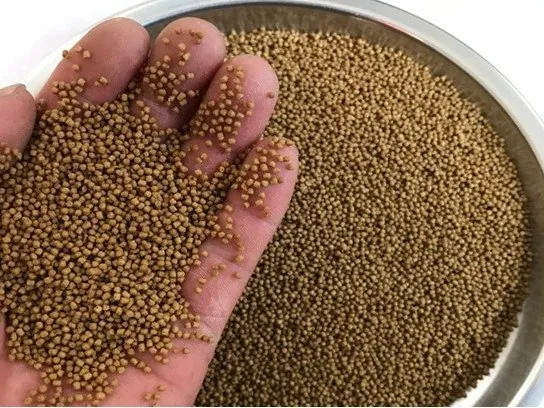
| Pellet size | Fry crumble ~0.5–1.5 mm · juvenile 2–4 mm · grow-out 5–8 mm · shrimp 1–2.5 mm |
| Species | Tilapia / catfish / carp / trout / vannamei shrimp |
| Life stage | Full coverage — fry crumble through grow-out |
| Water type | Freshwater / brackish water |
| Packing | 25 kg / 40 kg farm-scale bags (customisable) |
| Options | OEM private label, species-specific formulation, probiotic / attractant additives |
System composition
Floating extruded pellets let the farmer watch intake and avoid over-feeding; sinking pellets suit shrimp and bottom-feeding species.
Graded from fine fry crumble through 2–8 mm grow-out, matching each life stage of the crop.
28–45% protein formulated by species and stage, with balanced fat, vitamins and minerals for fast growth and a low feed conversion ratio.
The binder keeps pellets intact in water so nutrients are eaten, not lost — protecting water quality and lowering the load on filtration.
Produced in our own factory for freshwater and brackish duty, with formulation customisable to order — OEM included.
Supplied alongside SIGMA's feeding machines, probiotics and pond equipment, so a farm can source consumables and hardware from one manufacturer.
Application
Video
FAQ
Protein is formulated by species and stage, typically 28–45%, with balanced fat, vitamins and minerals for fast growth and a low feed conversion ratio.
Floating (extruded) pellets suit surface feeders like tilapia and catfish — letting the farmer watch intake and avoid over-feeding — while sinking pellets suit shrimp and bottom species.
Pellet size is graded from fine fry crumble through 2–8 mm grow-out, matching every life stage.
A good binder keeps pellets water-stable so nutrients are eaten, not lost, which protects water quality and lowers the load on filtration.
Fish-grade and shrimp-grade lines cover tilapia, catfish, carp, trout and vannamei shrimp, in freshwater and brackish water.
We supply aquaculture fish meal as a raw ingredient as well as formulated extruded pellets. Fish meal for sale from SIGMA is processed marine protein — the main high-quality protein source in aquaculture diets. Formulated pellets blend aquaculture fish meal with plant proteins, oils, vitamins and minerals into a water-stable, species-specific feed that reduces dependence on pure fish meal. As established fish meal suppliers we can quote both raw meal and finished pellets.
In a biofloc farming system the microbial floc itself provides supplementary protein, so fish feed for fish farming in biofloc is typically formulated at slightly lower dietary protein than pond culture — the floc makes up the gap. Biofloc feed and biofloc fish feed are terms for pellets matched to this lower-protein regime; a 28–32% protein diet suits tilapia biofloc grow-out, while shrimp biofloc diets sit at 32–36%. SIGMA can formulate to a biofloc-specific spec on request.
Yes — fish meal replacement for aquaculture is an active area. Soybean meal, insect protein (BSF), single-cell protein and fermented plant meals are the main substitutes, used at partial replacement rates of 30–70% depending on species. Our formulation team balances fish meal, plant proteins and attractants to maintain palatability and FCR when sourcing fish feed for fish farming with reduced marine protein.
Yes — shrimp hatchery feed is available as a fine crumble grade (0.5–1.5 mm) for post-larvae and early juvenile vannamei. These early-stage diets carry higher protein (40–42%) and are formulated with attractants to encourage feeding in very small animals.
Export orders are priced per tonne, which works out to a fish feed price per kg well below retail bag rates. The 50 kg bag is the common wholesale unit across Africa and Asia; per-bag price moves mainly with protein content and floating versus sinking process, so one factory quotes several tiers rather than a single number.
Yes — floating fish pellets ship as full-container orders, bagged in 25 kg or 50 kg sacks. Bulk fish food pellets for ponds make up most of our feed exports; state the species, pellet size and monthly volume and we will quote landed cost to your port.
Related equipment
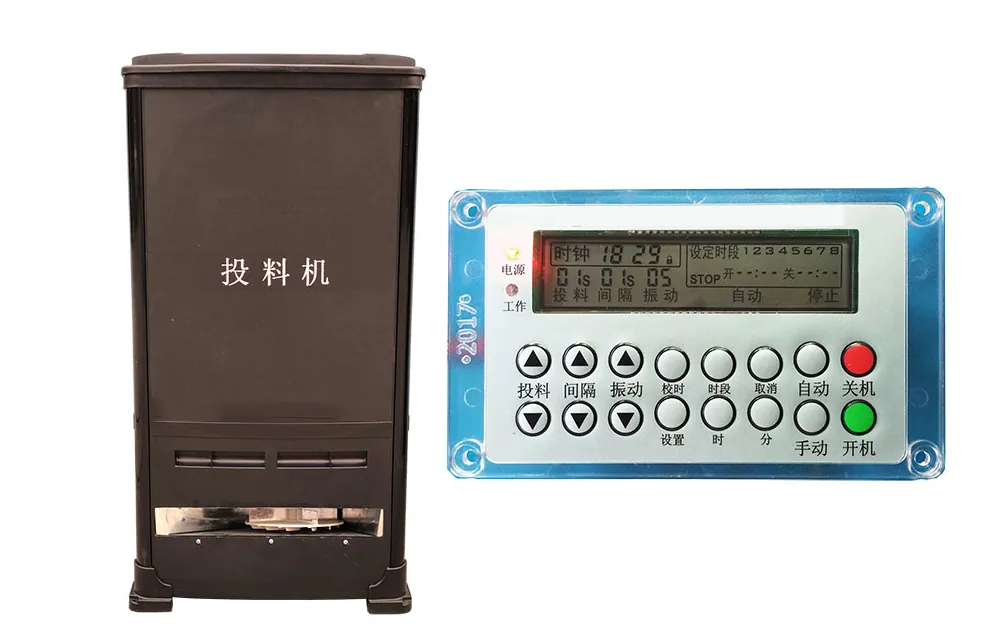
Automatic & smart fish-feeding machines for ponds, cages & RAS — programmable timing, even broadcast, saves labor & feed. Multiple capacities from SIGMA.
View details →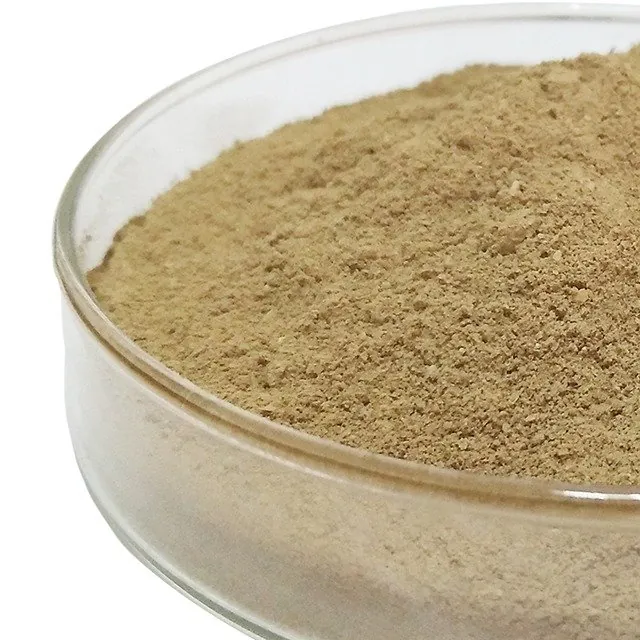
Aquaculture probiotics for biofloc, ponds & RAS — stabilize water quality, improve gut health & feed conversion, reduce disease. Bulk supply from SIGMA.
View details →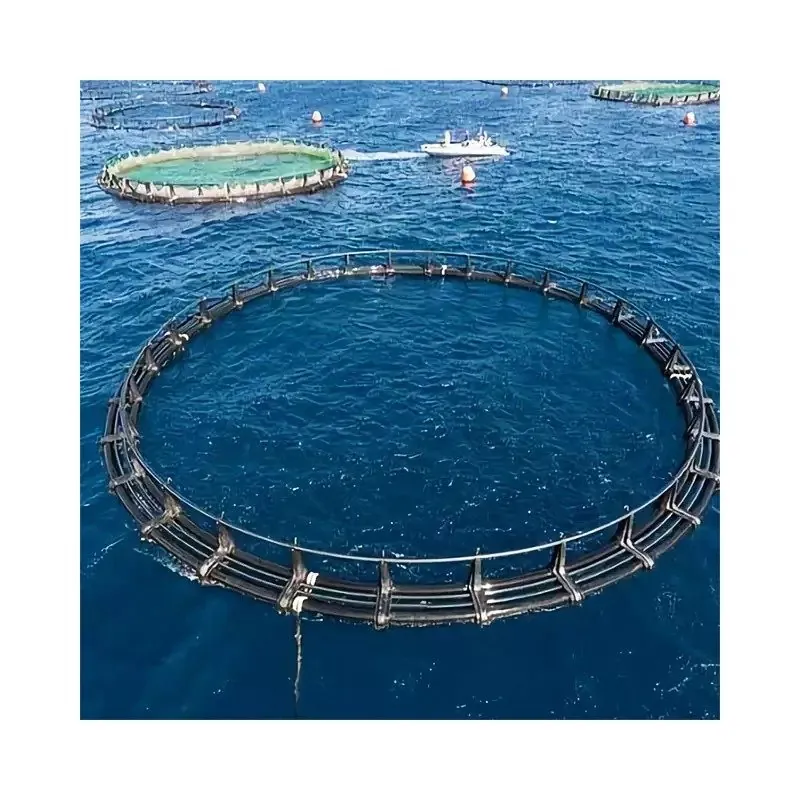
HDPE floating fish cages & net pens for lakes, reservoirs & sea farming — durable frames, wave-resistant floats, custom sizes. Factory-direct from SIGMA.
View details →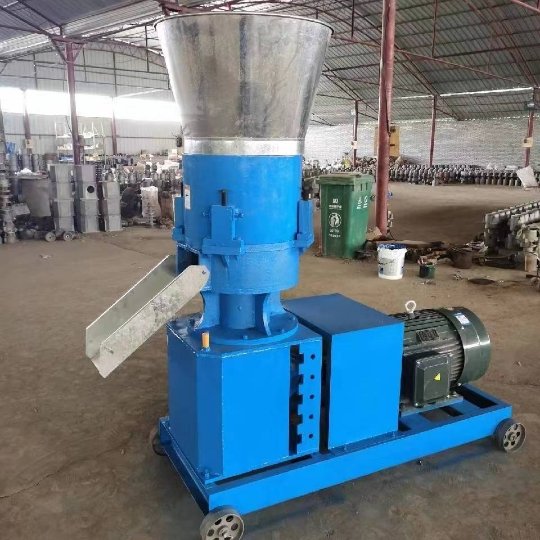
Fish feed pellet machine — a flat-die pellet mill that presses your own mix into sinking feed pellets for tilapia, catfish, carp & shrimp. Electric or diesel drive.
View details →Tell us your species, target density and site — our engineers size the system and reply within one business day.