Application solution
Shrimp Farming Equipment
Heavy aeration, biofloc tanks and biosecurity equipment for intensive shrimp culture.
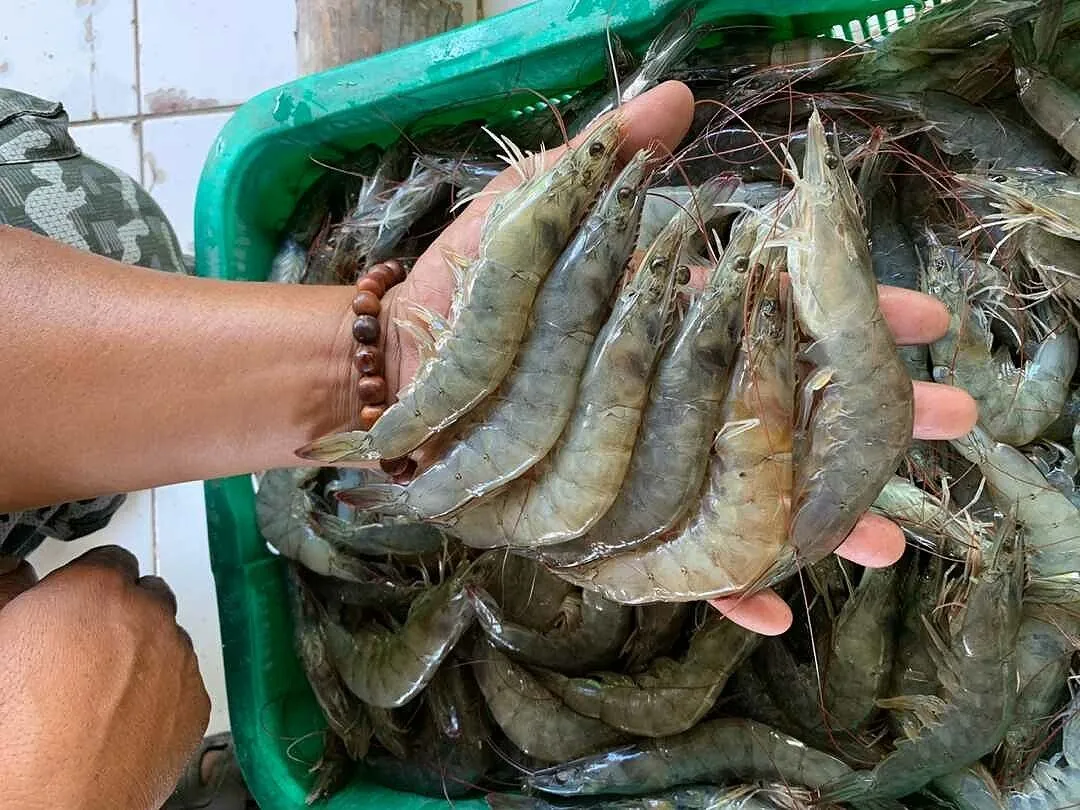
Intensive shrimp culture — especially biofloc systems for whiteleg shrimp — lives and dies by dissolved oxygen and biosecurity. Shrimp are stocked densely and stop feeding fast when oxygen drops, so aeration is rarely something a shrimp farm can scale back on.
Disease pressure is the other constant. White Spot Disease (WSD) spreads quickly through stressed, poorly-aerated ponds, which is why strong aeration, stable biofloc water and careful feed and probiotic management sit at the centre of a shrimp operation. The equipment below is built around those priorities.
How it works
What intensive shrimp farming needs
Intensive shrimp farming raises whiteleg shrimp (Penaeus vannamei) at high density in lined ponds or biofloc tanks, where success rests on two things above all: dissolved oxygen and biosecurity. Shrimp are stocked densely and stop feeding the moment oxygen sags, so heavy, continuous aeration is the foundation everything else is built on.
Aeration is engineered, not added. Paddle wheel aerators drive the surface oxygen and the circular current that keeps a pond self-cleaning, while a roots blower feeding nano aeration tubes supplies bottom diffusion for biofloc shrimp tanks. Lined biofloc tanks make the small-footprint, high-control build possible.
Biosecurity is the other half. Viral and bacterial diseases — white spot disease (WSD), AHPND/EMS, EHP, vibriosis and white feces syndrome — spread fast in stressed, low-oxygen water, so stable water quality, probiotics and good feed management are the working defence, as set out in shrimp farming mistakes and biosecurity.
Build
System components
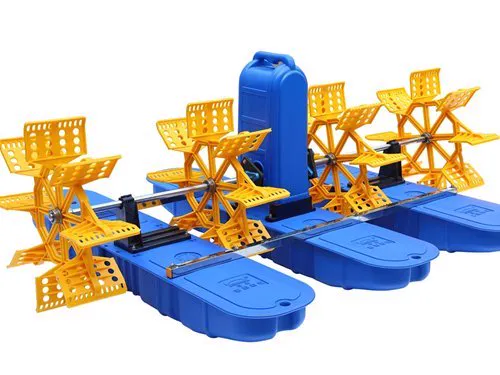
Paddle wheel aerator
The paddle wheel aerator is the heart of a shrimp pond — it lifts oxygen and sets up the circular current that gathers sludge in the centre for removal. Shrimp ponds run multiple units; size and position them for full-pond circulation, not just aeration.
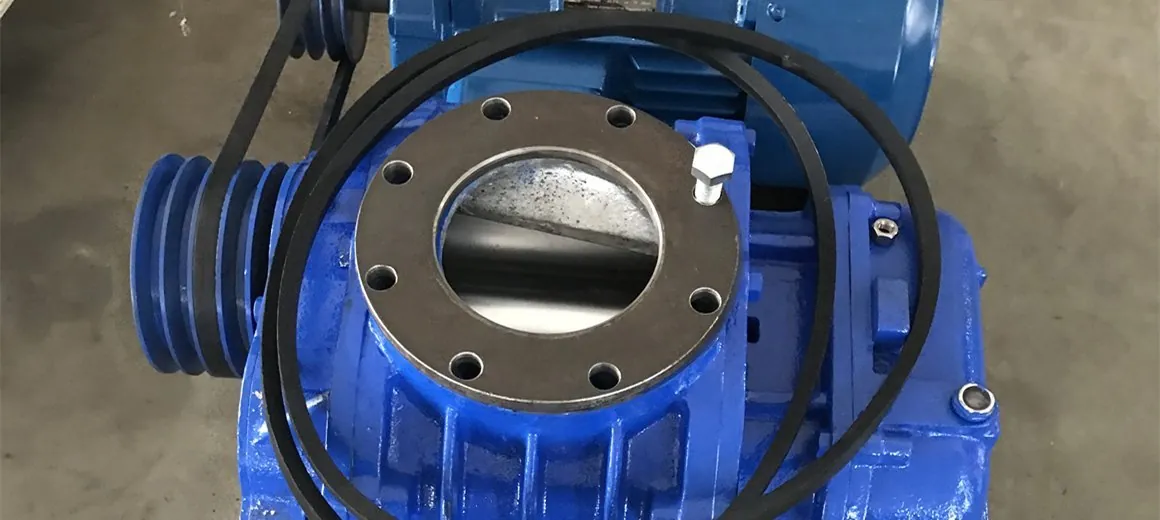
Roots blower
A roots blower supplies the diffused bottom aeration that high-density and biofloc shrimp tanks depend on. Running aeration from both the surface and the bottom is how intensive farms hold oxygen through the night and the post-feed demand peak.
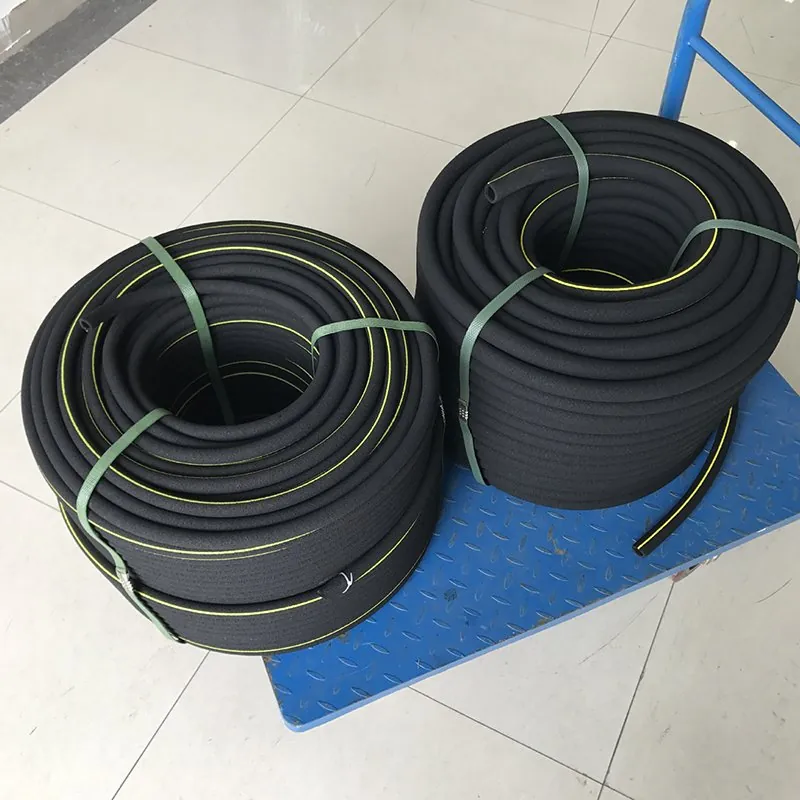
Nano aeration tubes
Nano aeration tubes deliver fine-bubble oxygen across the tank floor and keep the floc suspended in biofloc shrimp culture. Even bottom coverage prevents the dead zones where waste and pathogens accumulate.
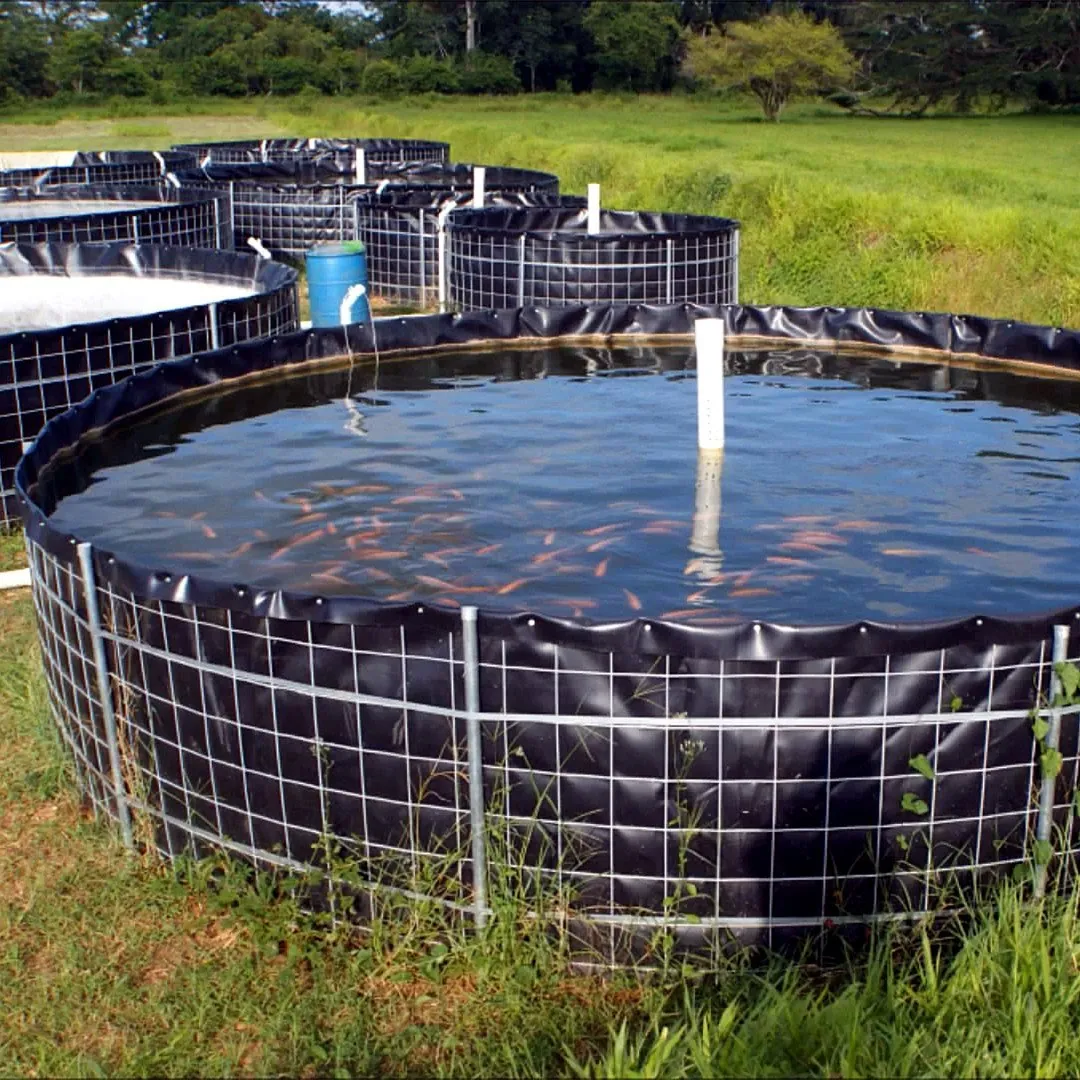
Biofloc shrimp tank
A lined biofloc tank gives the controlled, small-footprint environment that intensive whiteleg shrimp farming needs, keeping the floc water stable and biosecurity tight. A round tank circulates evenly and sweeps solids to the drain.
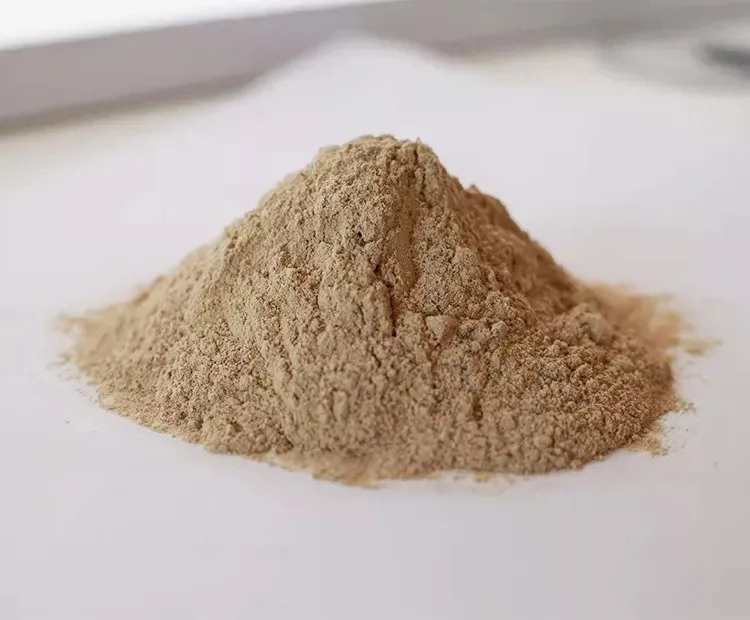
Aquaculture probiotics
Aquaculture probiotics support gut health and crowd out Vibrio in the water and the shrimp — central to managing vibriosis and white feces syndrome. They are a routine input in biofloc shrimp culture, not an occasional treatment.
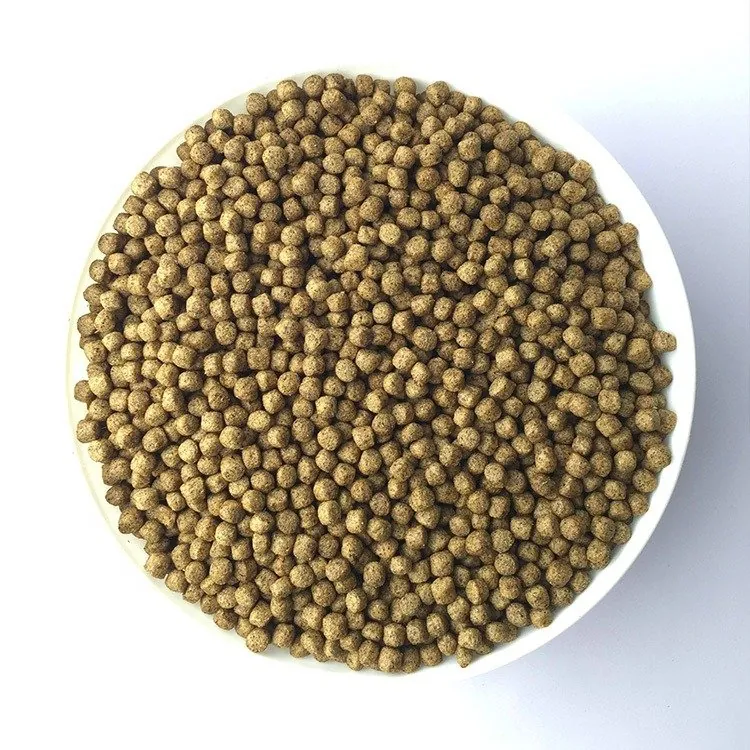
Shrimp feed
Good shrimp feed and disciplined feeding decide both growth and water quality — overfeeding is what fouls the bottom and feeds disease. Match the ration to oxygen and temperature, and cut feed first when oxygen drops.
Equipment
Recommended shrimp equipment
Shrimp systems lead with aeration, then add biofloc tanks, probiotics, feed and monitoring.
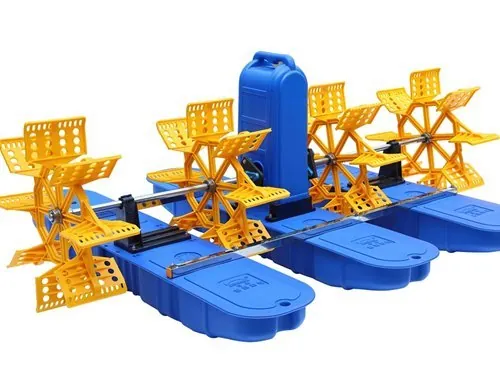
Energy-efficient paddle wheel aerators for shrimp & fish ponds — strong circulation & oxygen transfer, durable impellers. Multiple sizes, factory-direct from SIGMA.
View details →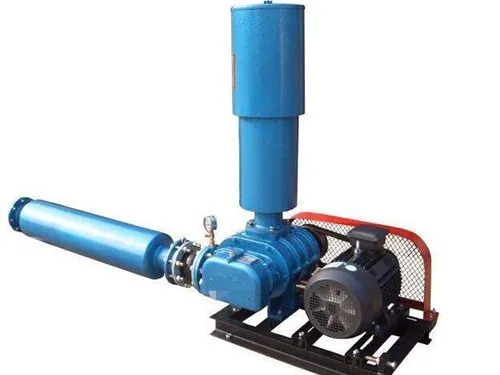
High-efficiency roots blowers for biofloc, RAS & pond aeration. Direct-from-factory pricing, multiple capacities, worldwide export from SIGMA.
View details →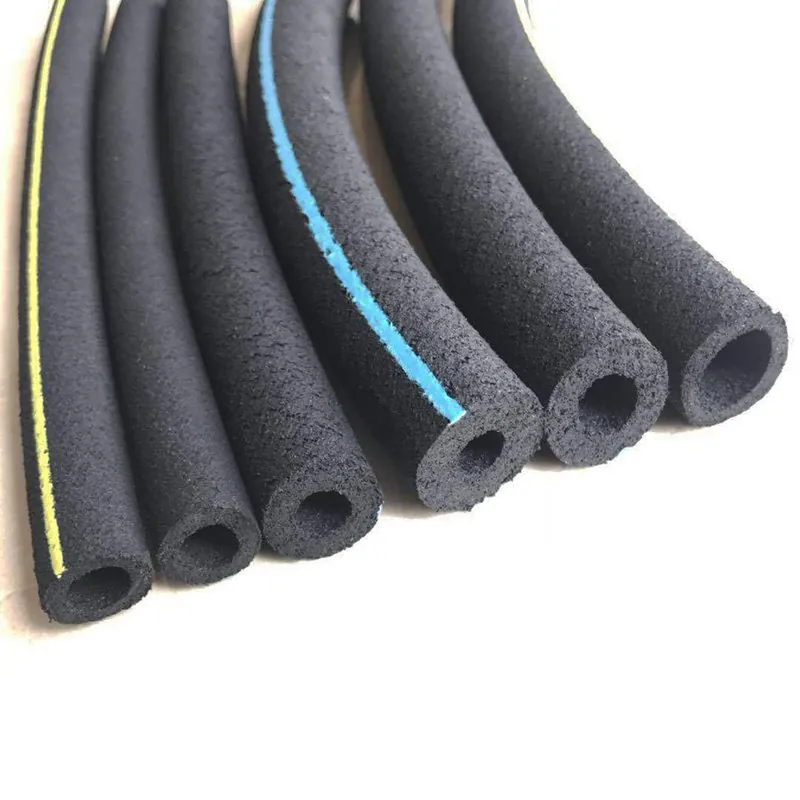
Micro/nano-bubble oxygen diffuser pipes & aeration hose for biofloc and pond fish farming — fine bubbles, high oxygen transfer, clog-resistant. Factory-direct.
View details →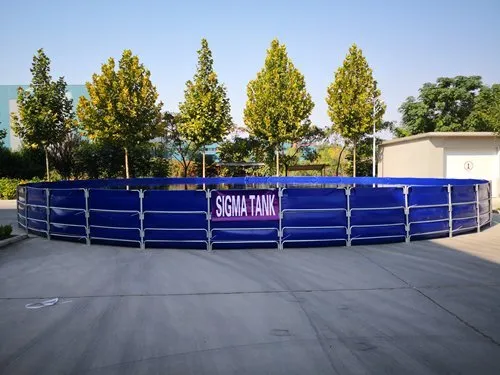
Modular PVC fish-farming tanks — quick assembly, energy-saving, food-safe liner, lower cost than concrete. Any size for biofloc & RAS. Factory-direct from SIGMA.
View details →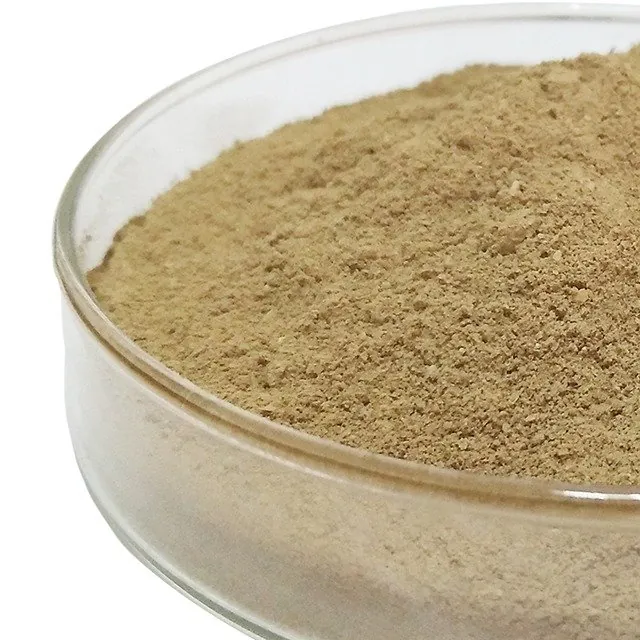
Aquaculture probiotics for biofloc, ponds & RAS — stabilize water quality, improve gut health & feed conversion, reduce disease. Bulk supply from SIGMA.
View details →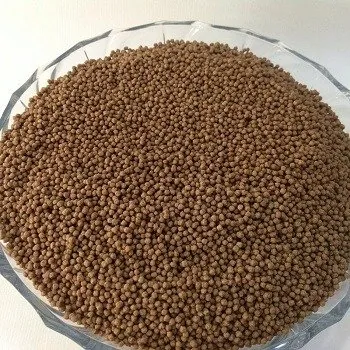
High-protein floating & sinking feed for tilapia, shrimp & carp — optimized FCR, stable in water, full size range. Bulk aquafeed supply from SIGMA.
View details →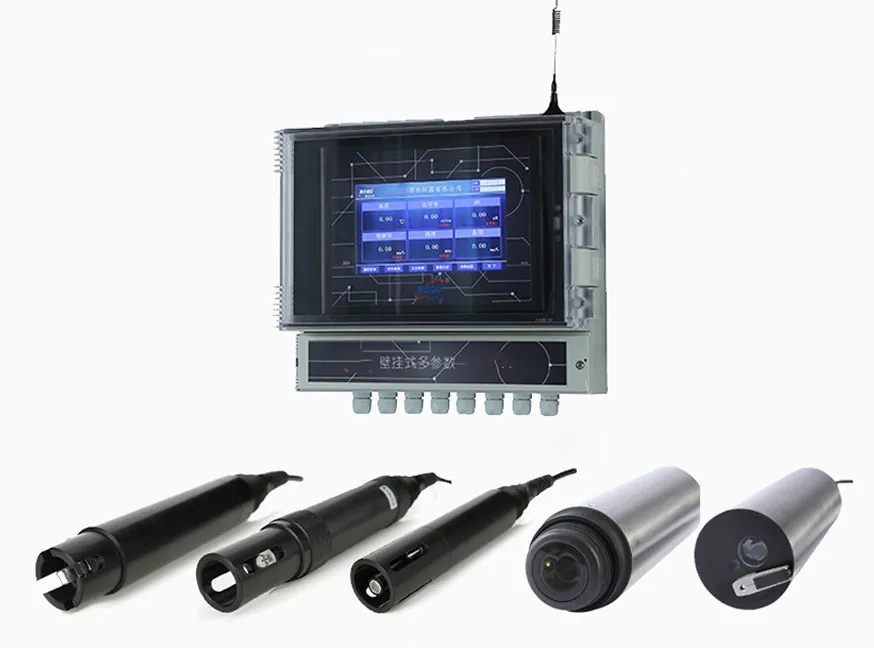
Online multi-parameter water-quality monitor for aquaculture — measures dissolved oxygen, pH, ORP, TDS & conductivity in real time. Factory-direct from SIGMA.
View details →Design & sizing
Design & operating tips
Over-provision aeration and back it up. Shrimp die fastest when oxygen sags, so run paddle wheel aerators and a roots blower sized above peak demand, on independent power. A night-time oxygen crash empties a shrimp pond before dawn.
Keep the bottom clean. Position aerators to drive a circular current that gathers sludge centrally, and manage feed tightly — an overfed, fouled bottom is where AHPND/EMS and vibriosis take hold.
Run biosecurity from day one. Stable biofloc water, probiotics, clean PL and minimal water exchange are the practical defence against white spot disease and EHP — there is no cure once a viral outbreak starts, so prevention is the whole game, as covered in shrimp farming mistakes and biosecurity. Scale the aeration from the full range of oxygen equipment.
Learn more
Guides & technical articles
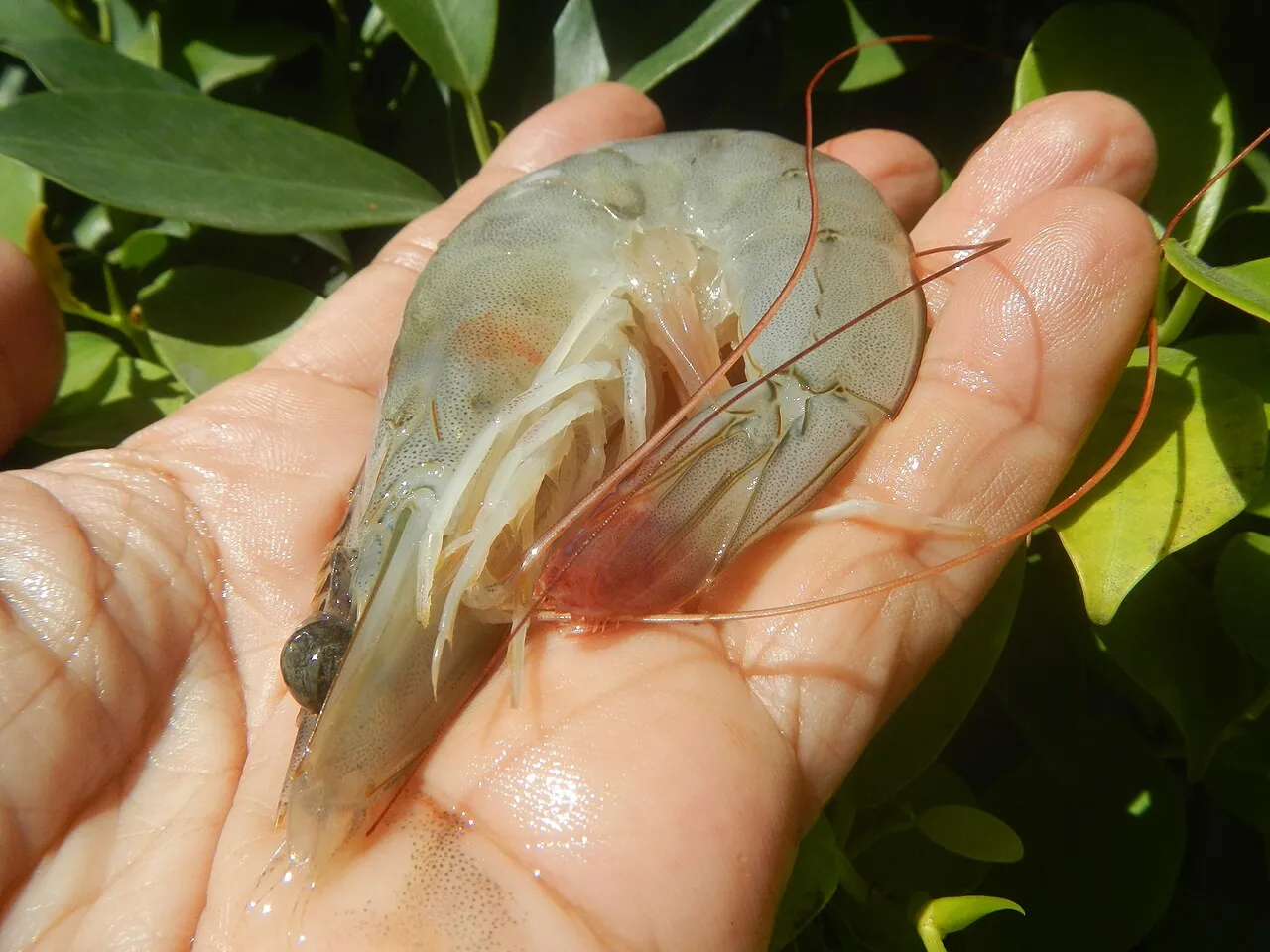
White spot disease (WSSV) can wipe out a shrimp pond in days. There is no cure — learn the signs and the biosecurity and water control that prevent it.
View details →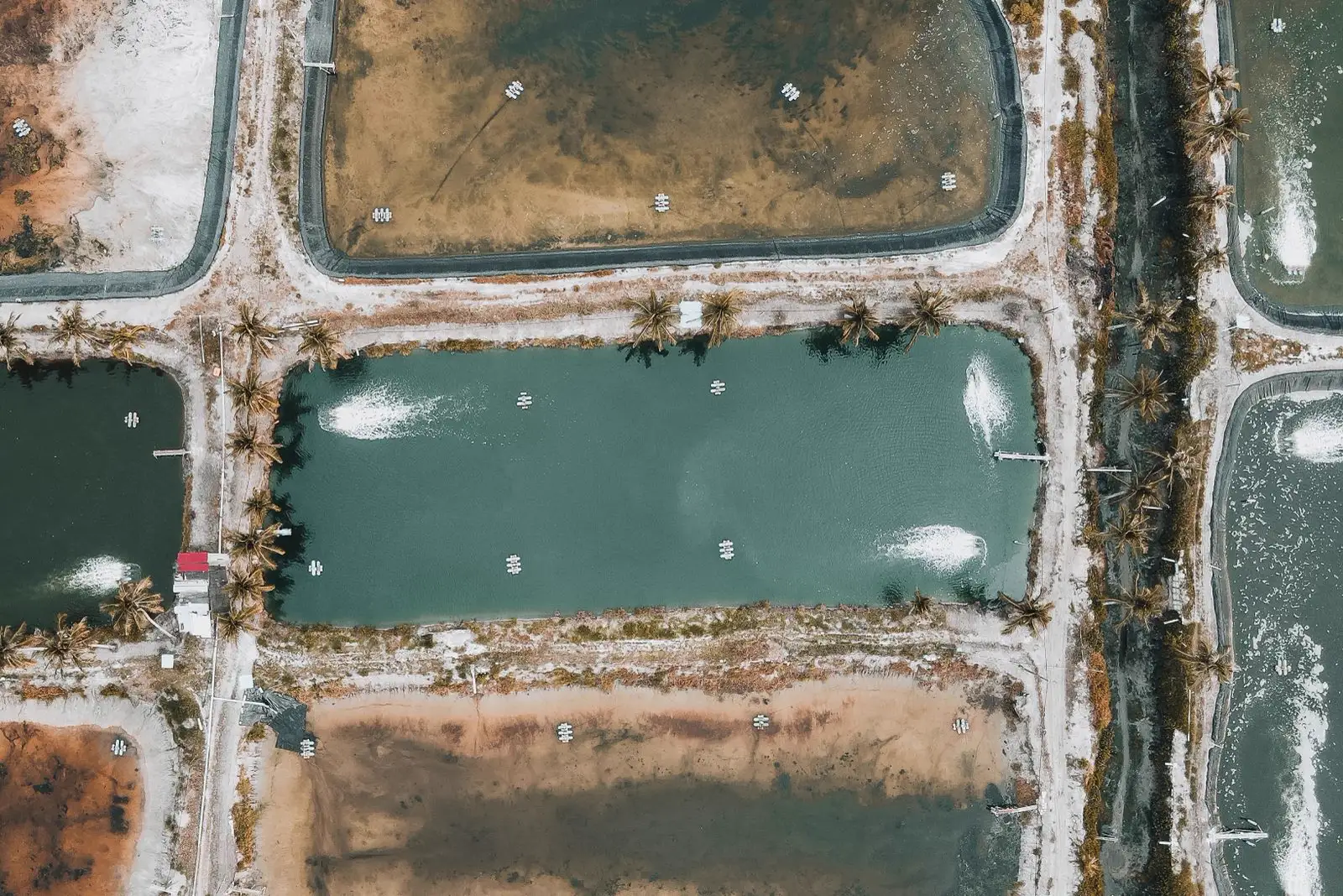
How to run biofloc water: set the C:N ratio, hold oxygen above 4–5 mg/L, keep floc at 200–500 mL/L, control solids and reuse water cycle after cycle.
View details →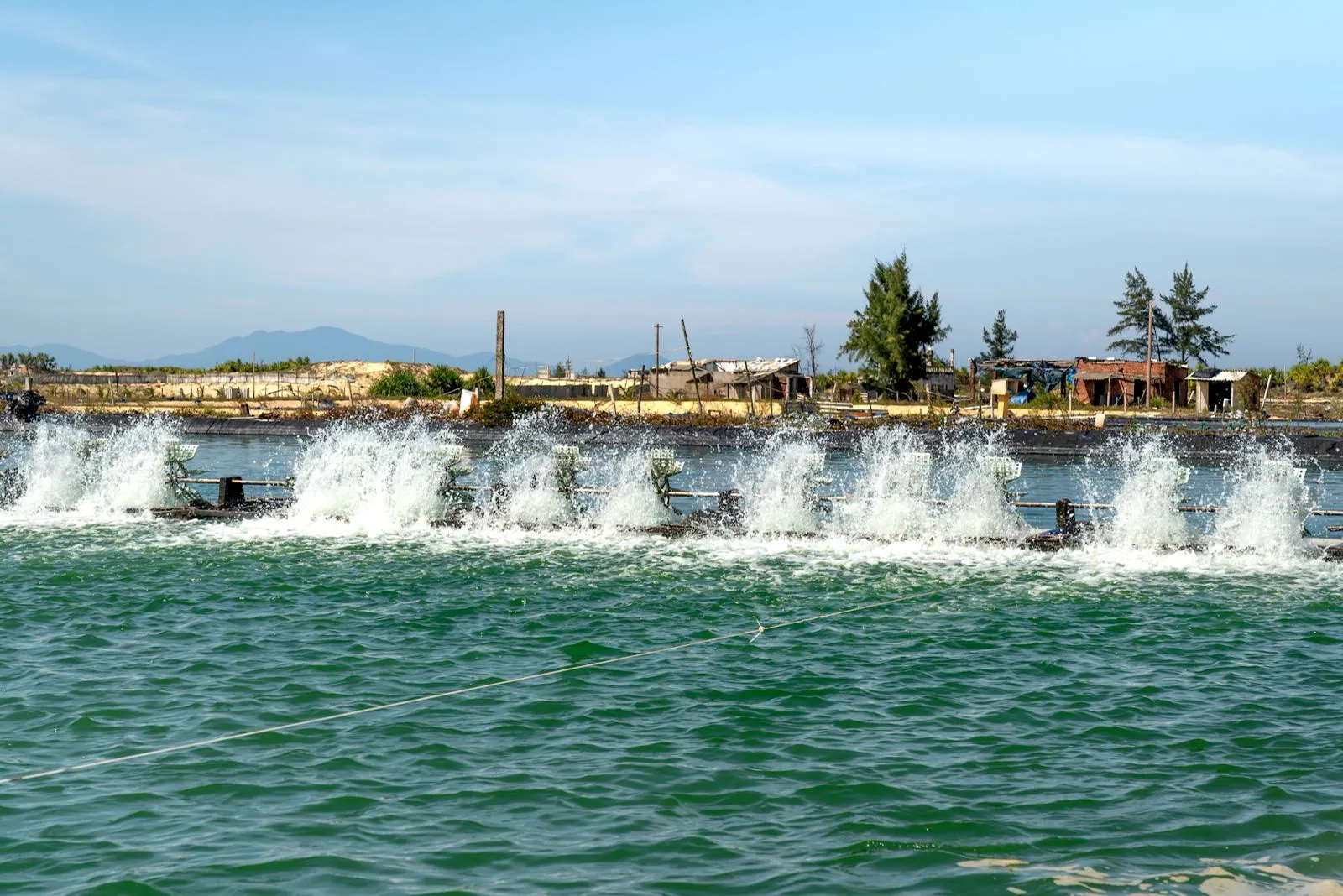
Biofloc technology turns fish waste into protein-rich microbial floc. Learn how it works, the C:N ratio, bacteria, costs and which fish suit it.
View details →FAQ
Frequently asked questions
What equipment is essential for intensive shrimp farming?
Heavy aeration is the foundation: paddle wheel aerators plus a roots blower and nano aeration tubes. Add lined biofloc tanks or ponds, probiotics, quality feed and water-quality control. Shrimp stop feeding the moment oxygen drops, so aeration capacity and backup come first.
Why is aeration so critical in shrimp ponds?
Whiteleg shrimp are stocked at high density and have a high oxygen demand, especially after feeding and at night. A drop in dissolved oxygen stresses them, halts feeding and triggers disease — so paddle wheels and blowers must hold oxygen continuously, with backup power.
What are the main shrimp diseases to plan for?
The big threats are white spot disease (WSD), AHPND/EMS (early mortality syndrome), EHP, vibriosis and white feces syndrome. Most spread fast in stressed, low-oxygen, dirty water, so biosecurity and water-quality control are the practical defence.
How does biofloc help in shrimp farming?
Biofloc keeps whiteleg shrimp at high density on minimal water exchange by growing beneficial microbes that recycle waste and compete with pathogens like Vibrio. It needs continuous aeration, a lined tank, probiotics and steady water-quality management.
How do I prevent white spot disease in shrimp?
There is no cure once WSD breaks out, so prevention is everything: stock clean, tested post-larvae, hold strong aeration and stable water quality, minimise water exchange and stress, and keep biosecurity tight. WSD spreads fastest through stressed, poorly-aerated ponds.
How much feed should shrimp get?
Match the ration to the shrimp size, water temperature and oxygen level, and avoid overfeeding — uneaten feed fouls the bottom and feeds disease. When oxygen drops, cut feed first. Good feed management protects both growth and water quality.
Plan your aquaculture system
Tell us your species, target density and site, and our aquaculture engineers will spec the equipment combination for you.