
Application solution
Biofloc Fish Farming Equipment
Tanks, aeration, probiotics and monitoring for high-density biofloc culture.
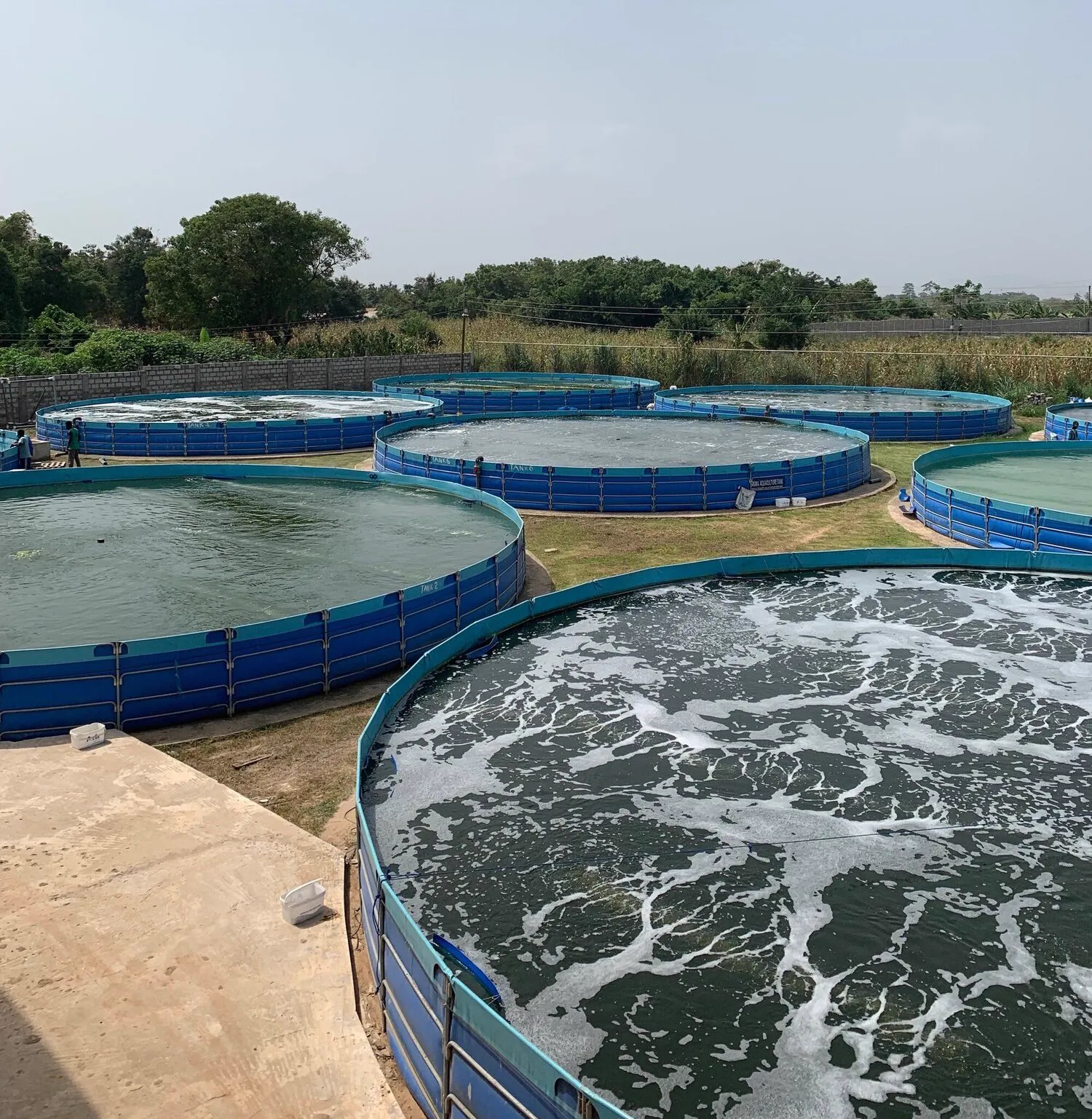
Biofloc technology grows fish and shrimp at high stocking density by cultivating a community of beneficial microorganisms inside the culture water. Those microbes convert the ammonia and uneaten feed that would otherwise pollute the system into microbial protein the animals can eat, so very little water has to be exchanged.
A biofloc system only stays stable while the water is kept moving and oxygenated around the clock and the microbial balance is managed. That makes continuous aeration, a watertight tank and steady water-quality control the core of any biofloc build — the equipment below covers each of those jobs.
How it works
How biofloc technology works
Biofloc technology (BFT) is a near-zero-water-exchange aquaculture method that grows fish and shrimp at high density by cultivating beneficial microbes directly in the culture water. By adding a carbon source the farmer steers those microbes to convert toxic ammonia and uneaten feed into protein-rich flocs the animals graze again — so the same water cleans itself and is reused.
Keeping that floc community alive is an oxygen problem first: the flocs only stay suspended and aerobic while the water moves 24/7. A roots blower for aquaculture feeding nano aeration tubes supplies the fine-bubble aeration a biofloc tank needs, while aquaculture probiotics help establish the bacterial balance. The biology is laid out in how biofloc technology works and the benefits of biofloc aquaculture systems.
Because biofloc reuses water rather than discharging it, the carbon-to-nitrogen ratio and the floc load have to be managed deliberately — see the water-reuse limits of biofloc. Farms that want fully closed indoor reuse often pair a biofloc nursery with a recirculating aquaculture system (RAS); the two most common species on biofloc are tilapia and whiteleg shrimp.
Build
System components
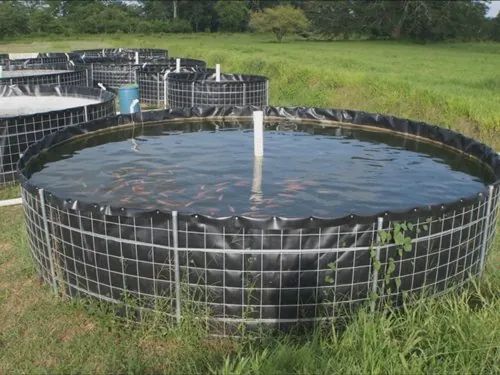
HDPE biofloc tank
The bolted HDPE biofloc tank is the standard high-density culture vessel: a round tank gives even circulation so flocs stay suspended and solids sweep to a centre drain. Size the tank to the aeration you can actually supply, not the other way round.
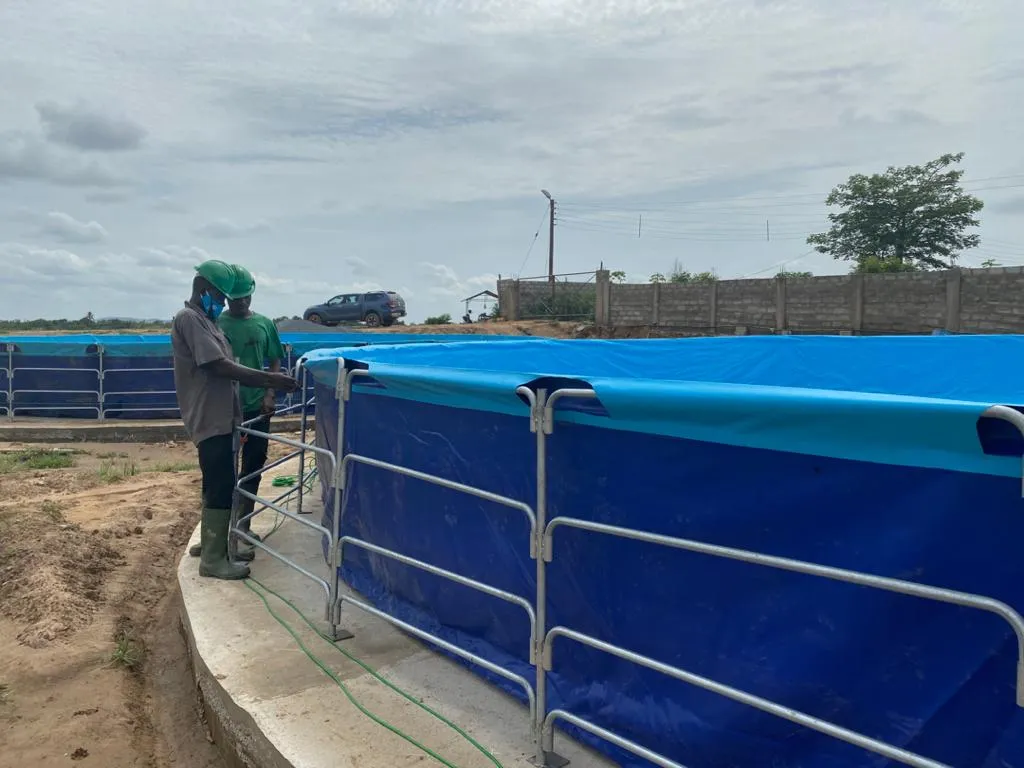
PVC tarpaulin biofloc tank
A PVC tarpaulin tank is the lower-capex entry point for biofloc — a galvanized frame lined with food-grade tarpaulin, fast to erect and easy to ship. Specify a heavy-gauge liner; thin tarpaulin is the most common false economy in biofloc.
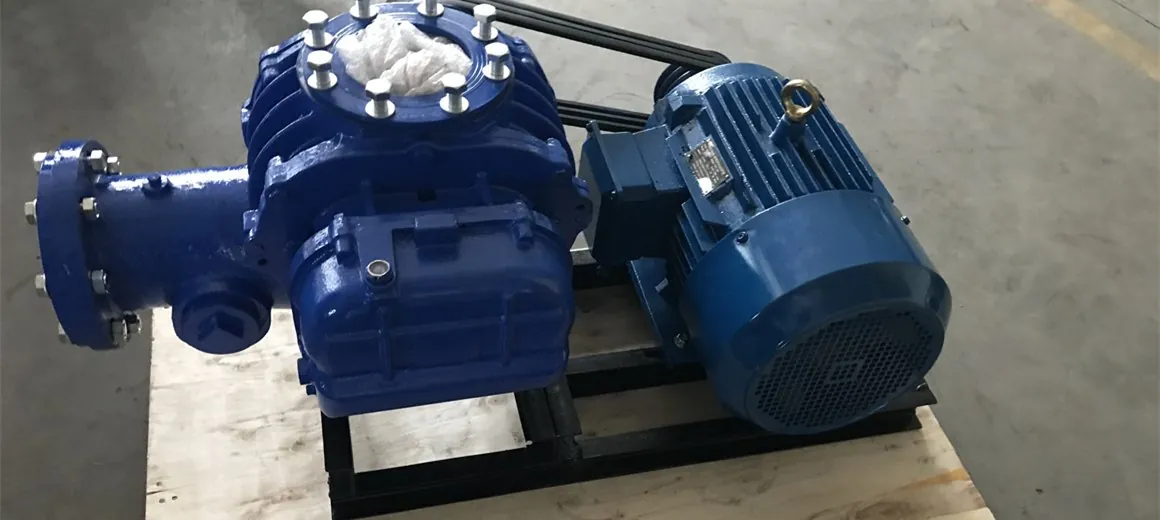
Roots blower
A roots blower for aquaculture is the workhorse air source that drives the floc suspension and oxygen. Continuous airflow is non-negotiable in biofloc — undersize the blower and the flocs settle, go anaerobic and crash the system overnight, so size it for peak biomass with headroom.
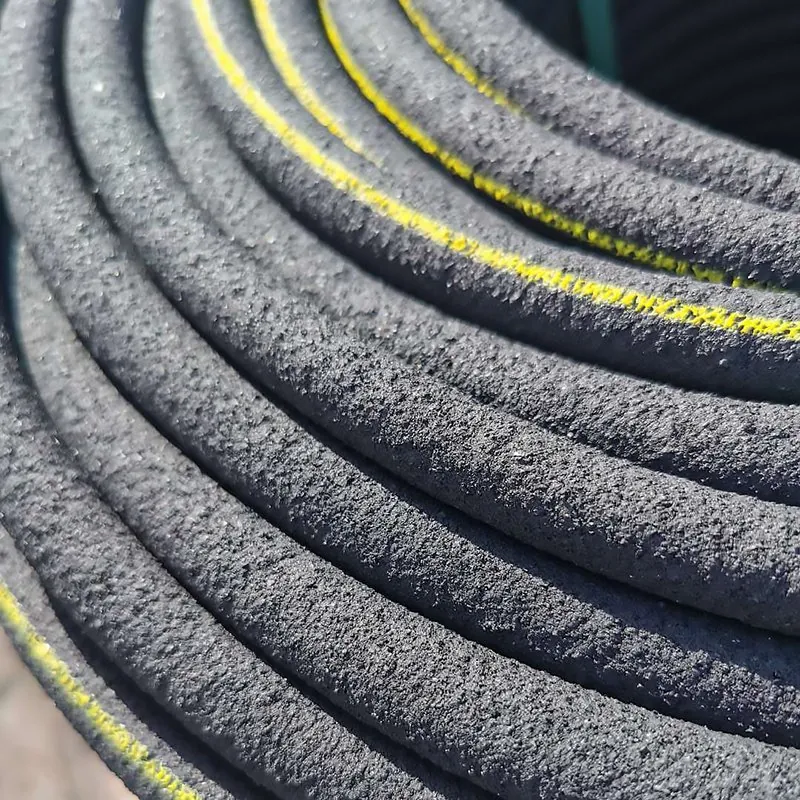
Nano aeration tubes
Nano aeration tubes release fine bubbles across the tank floor, transferring oxygen efficiently while keeping the whole water column turning. Lay them so there is no dead zone where solids can settle.

Aquaculture probiotics
Aquaculture probiotics seed and stabilise the heterotrophic and nitrifying bacteria that make biofloc work, speeding up maturation of a new system and helping hold ammonia down. They pair with the carbon dosing that drives floc formation.
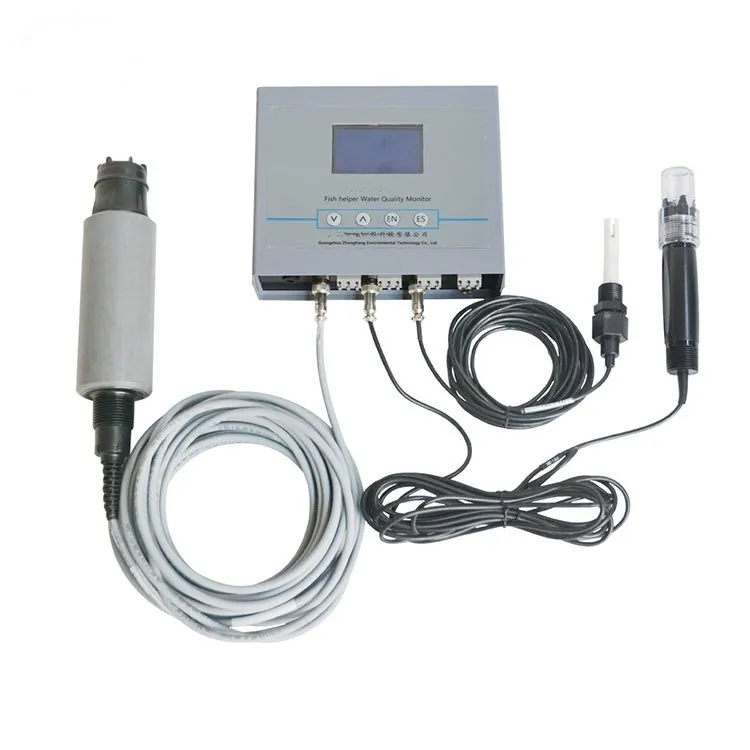
Water-quality monitor
A multi-parameter water quality meter reads dissolved oxygen, pH, conductivity and ORP — the numbers that tell you whether the floc balance is healthy before the fish show stress. In a biofloc tank the water chemistry is the early-warning system.
Equipment
Recommended biofloc equipment
A typical SIGMA biofloc package combines a tank, continuous aeration, probiotics and water-quality monitoring.

Modular PVC fish-farming tanks — quick assembly, energy-saving, food-safe liner, lower cost than concrete. Any size for biofloc & RAS. Factory-direct from SIGMA.
View details → Durable HDPE fish-farming tanks — on-site welding, 15-year liner, lower cost than earthen ponds. Any diameter & depth. SIGMA ships worldwide. Get a quote in 12h.
View details →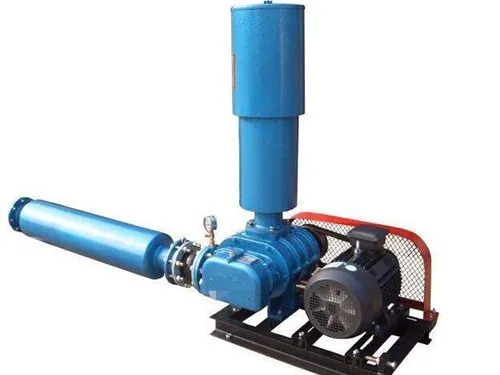
High-efficiency roots blowers for biofloc, RAS & pond aeration. Direct-from-factory pricing, multiple capacities, worldwide export from SIGMA.
View details →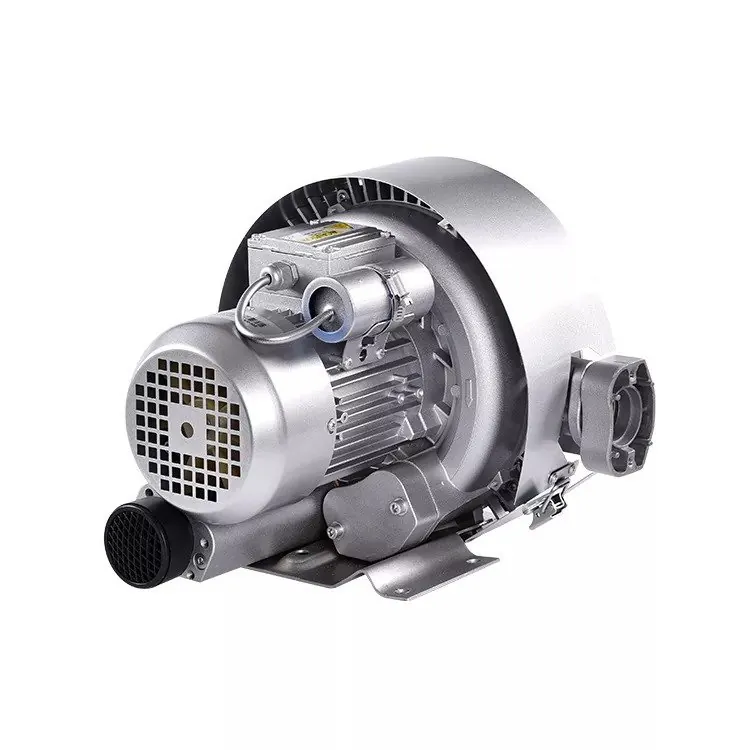
High-pressure regenerative (ring) blowers for aquaculture aeration, RAS & biofloc — oil-free, quiet, energy-efficient. Multiple capacities, factory-direct.
View details →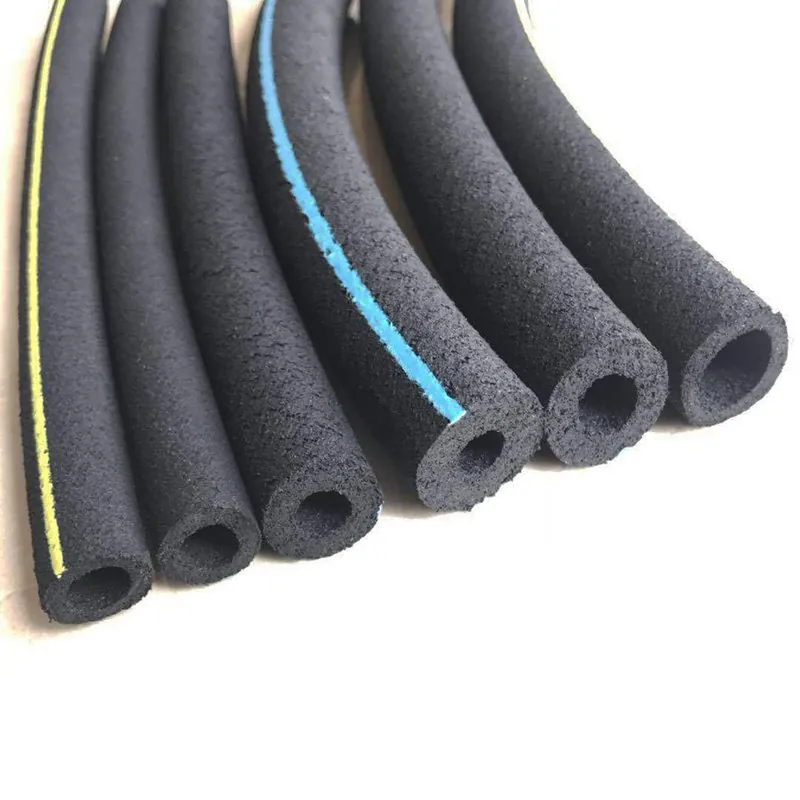
Micro/nano-bubble oxygen diffuser pipes & aeration hose for biofloc and pond fish farming — fine bubbles, high oxygen transfer, clog-resistant. Factory-direct.
View details →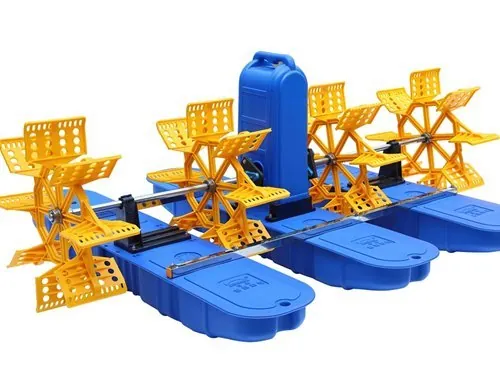
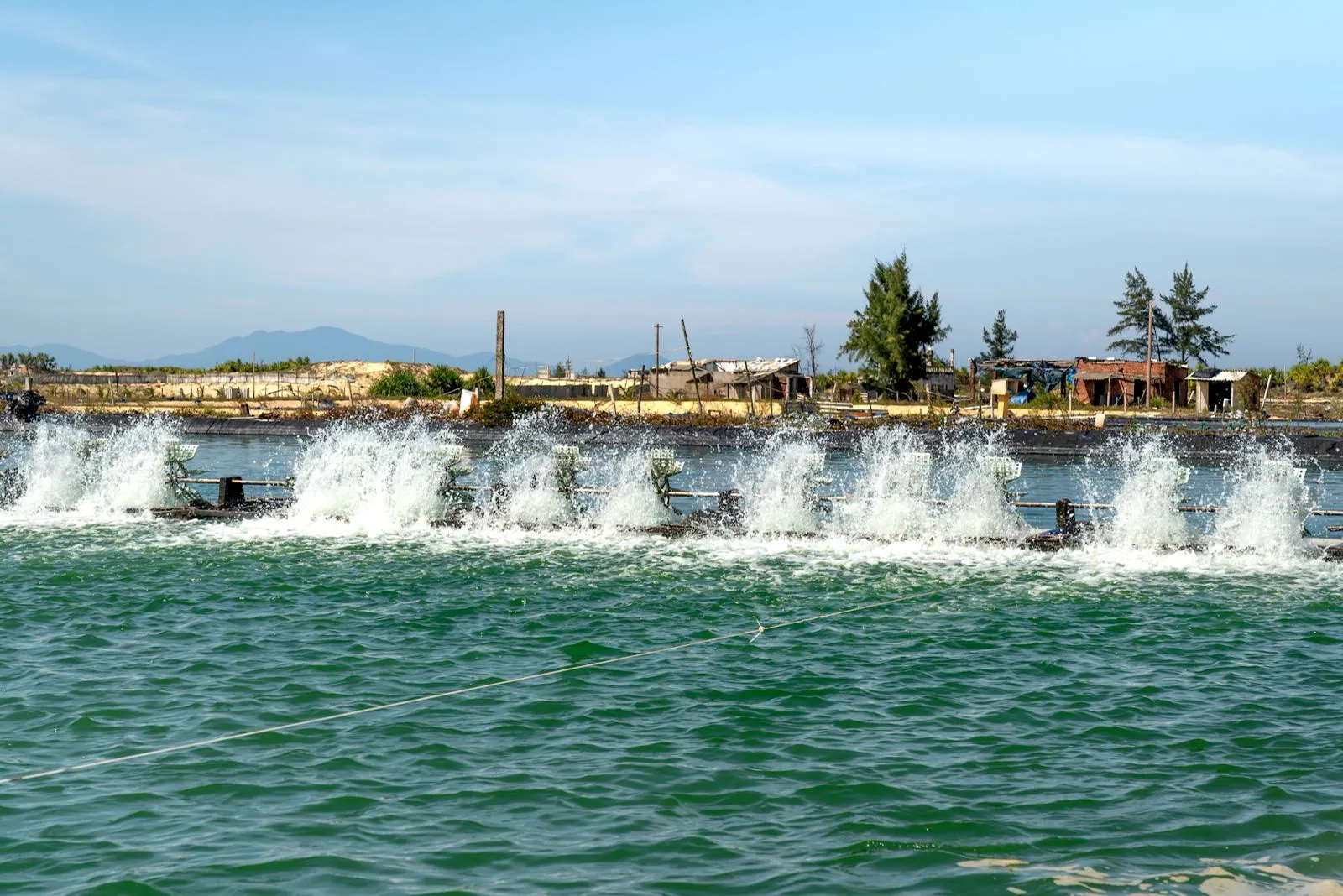
Energy-efficient paddle wheel aerators for shrimp & fish ponds — strong circulation & oxygen transfer, durable impellers. Multiple sizes, factory-direct from SIGMA.
View details →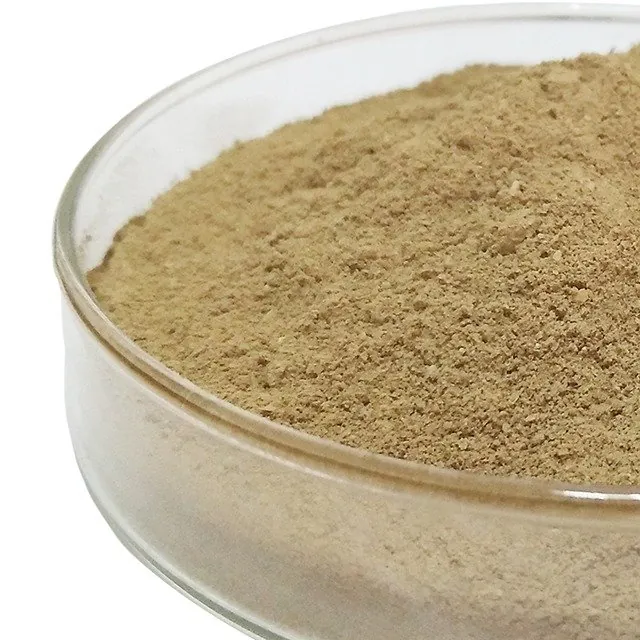
Aquaculture probiotics for biofloc, ponds & RAS — stabilize water quality, improve gut health & feed conversion, reduce disease. Bulk supply from SIGMA.
View details →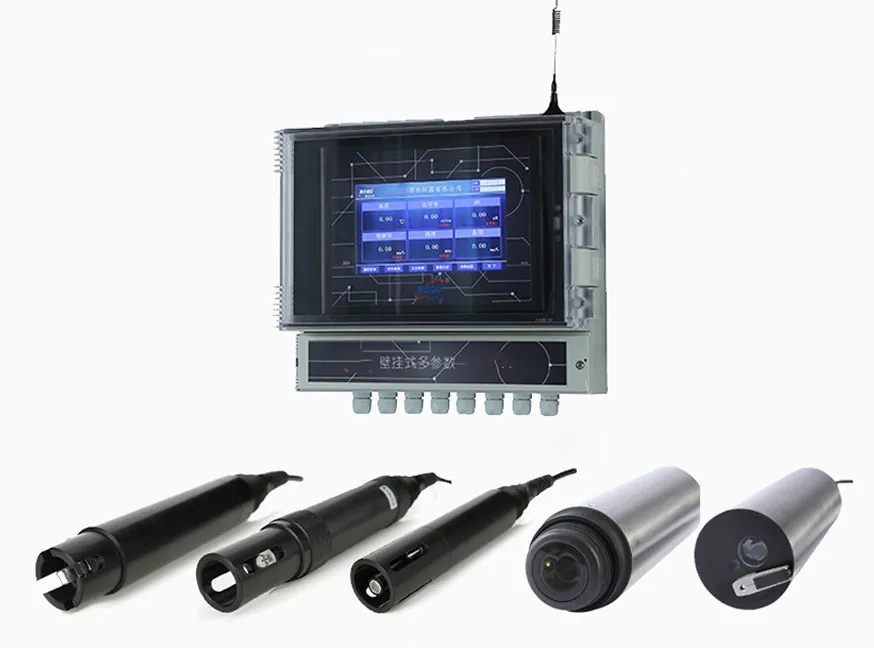
Online multi-parameter water-quality monitor for aquaculture — measures dissolved oxygen, pH, ORP, TDS & conductivity in real time. Factory-direct from SIGMA.
View details →Design & sizing
Design & operating tips
Start from oxygen, not from tank volume. The biofloc carrying capacity of a tank is set by how much dissolved oxygen your roots blower and nano aeration tubes can deliver at peak biomass — always with a spare blower or independent backup, because a few hours without air ends a biofloc cycle.
Manage the carbon-to-nitrogen ratio actively. Flocs form when there is enough carbon for the bacteria to lock up ammonia; let it slip and ammonia or nitrite breaks through. Watch the floc volume and the water-quality meter together, and use probiotics to get a new tank biologically mature before you push feed.
Match the tank to the species and the budget. A bolted HDPE biofloc tank is the durable choice for intensive tilapia; a PVC tarpaulin tank lowers entry cost for a first cycle. Browse the full range of aquaculture tanks and biofloc equipment, and for closed indoor reuse read the trade-offs in biofloc water reuse before adding a RAS polishing loop.
Learn more
Guides & technical articles
Biofloc technology turns fish waste into protein-rich microbial floc. Learn how it works, the C:N ratio, bacteria, costs and which fish suit it.
View details →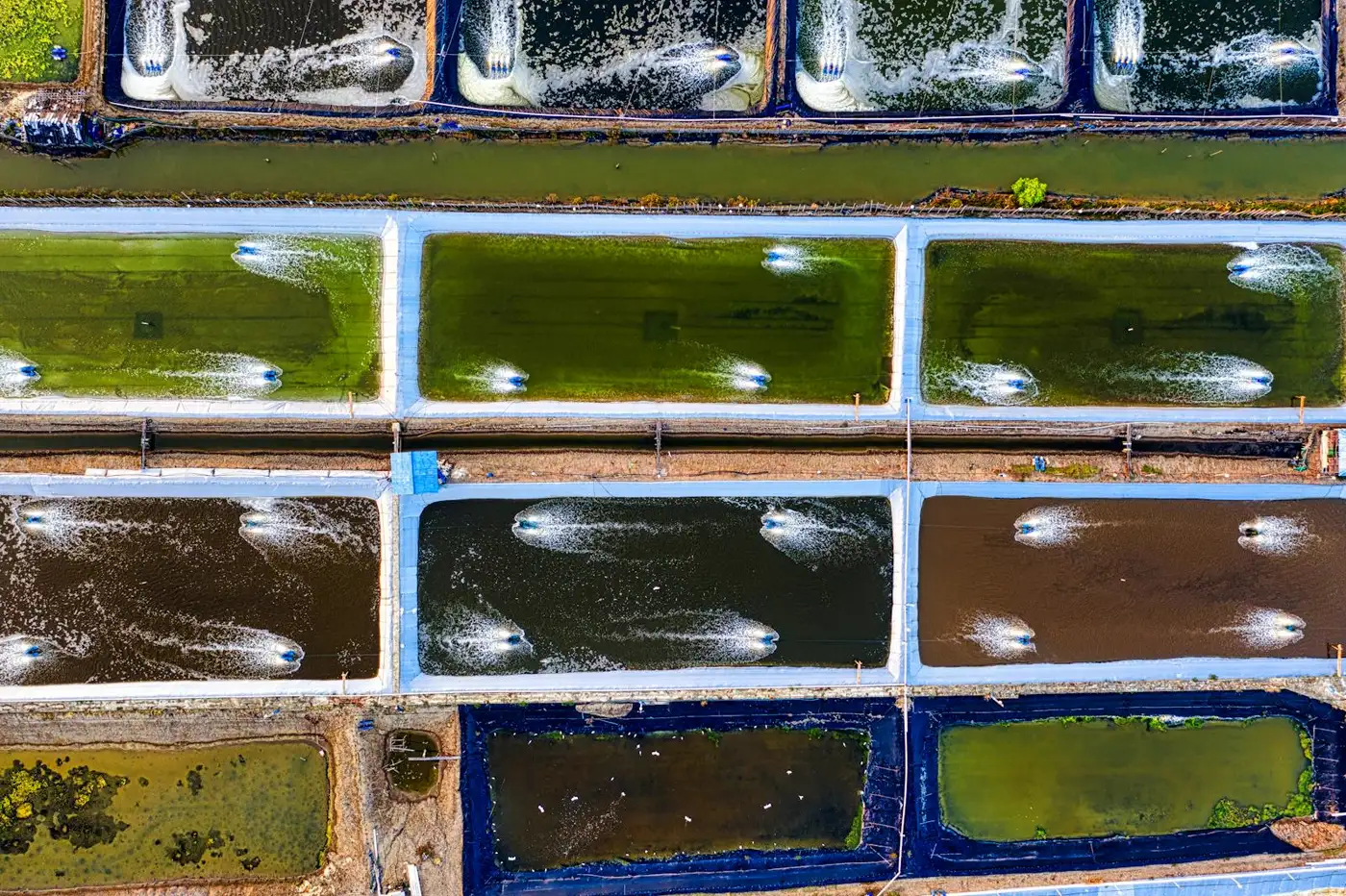
The real benefits of biofloc — 80–90% less water, 10–30% feed saved, higher density — plus the honest costs. Numbers from working tilapia and shrimp farms.
View details →
How to run biofloc water: set the C:N ratio, hold oxygen above 4–5 mg/L, keep floc at 200–500 mL/L, control solids and reuse water cycle after cycle.
View details →FAQ
Frequently asked questions
What is biofloc technology in fish farming?
Biofloc technology is a high-density, low-water-exchange method that grows beneficial microbes in the culture water. The microbes turn fish waste and uneaten feed into edible protein flocs and keep ammonia down, so the water is recycled instead of being flushed. It is most used for tilapia and whiteleg shrimp.
Which equipment is essential for a biofloc system?
Three things are non-negotiable: a watertight round tank (HDPE or PVC tarpaulin), continuous aeration from a roots blower and nano aeration tubes, and water-quality monitoring. Probiotics and a carbon source support the microbial balance.
Why does a biofloc tank need aeration 24 hours a day?
The flocs are living aerobic bacteria suspended in the water. If aeration stops, the flocs settle, go anaerobic and consume oxygen as they die — which can crash the whole tank within hours. Continuous airflow keeps the flocs suspended and the fish supplied with oxygen.
Can biofloc and RAS be combined?
Yes. Many farms run a biofloc nursery or grow-out alongside a recirculating aquaculture system, using mechanical and biological filtration to polish the reused water. The two approaches share the same goals of high density and minimal water exchange.
Which fish are best suited to biofloc?
Hardy, omnivorous species that can use the microbial flocs as supplementary food do best — tilapia and whiteleg shrimp are the classic biofloc species, with catfish and carp also farmed this way.
How do probiotics help in biofloc?
Aquaculture probiotics introduce and stabilise the nitrifying and heterotrophic bacteria that convert ammonia and form flocs. They help a new system mature faster and keep the microbial community balanced, reducing the risk of ammonia or nitrite spikes.

Plan your aquaculture system
Tell us your species, target density and site, and our aquaculture engineers will spec the equipment combination for you.