Application solution
Tilapia Farming Equipment
Tanks, aeration, water-quality and health control for intensive tilapia culture.
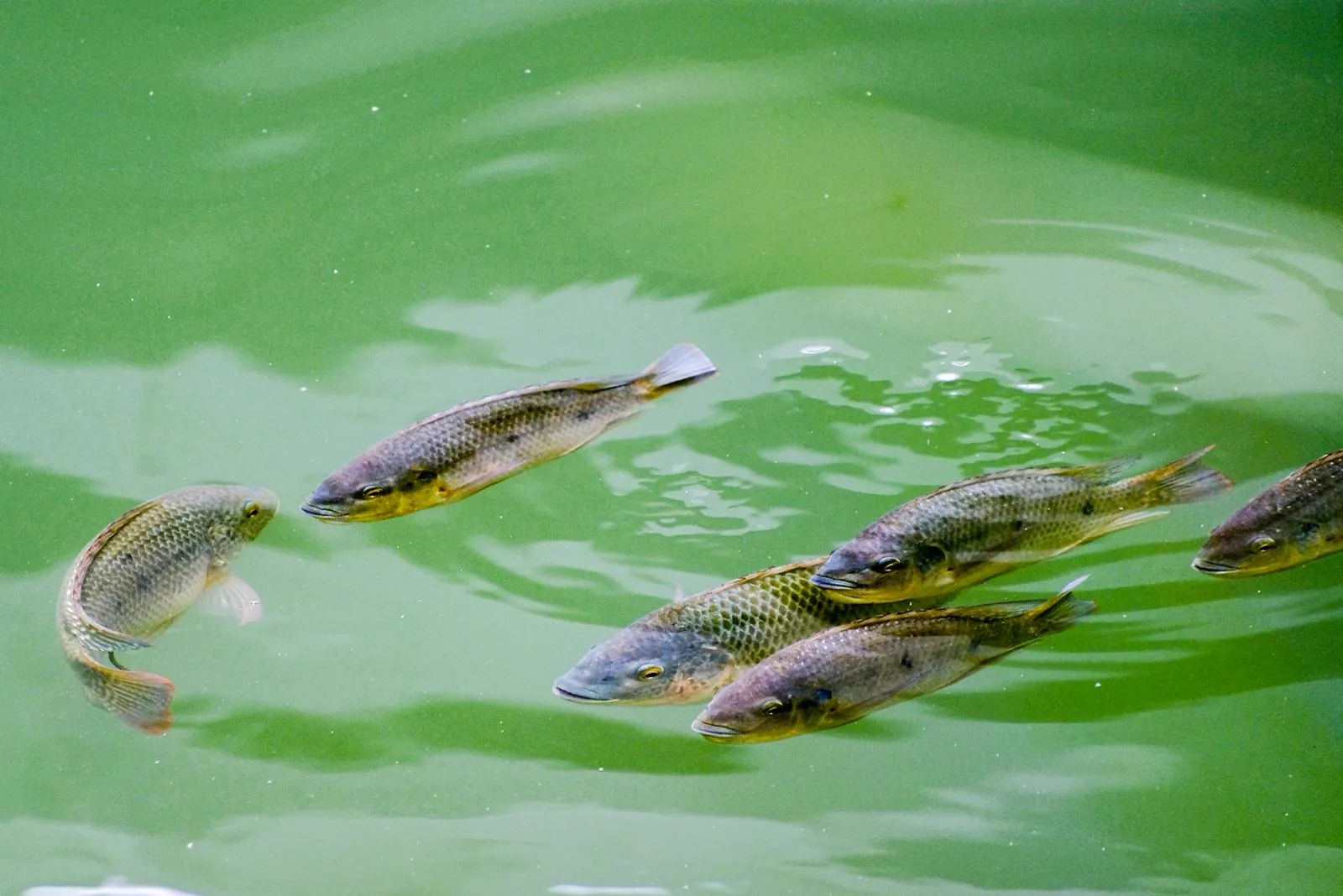
Tilapia is one of the most widely farmed freshwater fish, raised in ponds, cages and increasingly in intensive biofloc and RAS tanks. The denser the culture, the more the harvest depends on keeping oxygen high and water quality stable.
When water quality slips, tilapia are quick to show it: parasite outbreaks such as Trichodina and Monogenea (gill and skin flukes) are among the most common problems on tilapia farms. Reliable aeration, water-quality monitoring, UV sterilization and probiotics are the practical defences — the equipment below supports each one.
How it works
What intensive tilapia farming needs
Intensive tilapia farming is high-density freshwater culture in tanks, cages or ponds, where yield depends on holding dissolved oxygen high and water quality stable. Tilapia are hardy and fast-growing, so farmers push stocking density — which means aeration, water-quality control and disease prevention become the equipment that decides the harvest.
Oxygen comes first. A paddle wheel aerator drives surface aeration and circulation in ponds and tanks, while a roots blower supplies diffused air for high-density and biofloc tanks. The right tank sets the carrying capacity and how easily solids are removed.
Health is a water-quality problem. The common tilapia parasites — Trichodina and Monogenea gill and skin flukes — and bacterial diseases like Streptococcus and columnaris flare when water quality drops, so a water-quality meter, a UV sterilizer and probiotics are the practical defences. The pattern is set out in tilapia diseases and management mistakes.
Build
System components
HDPE tilapia tank
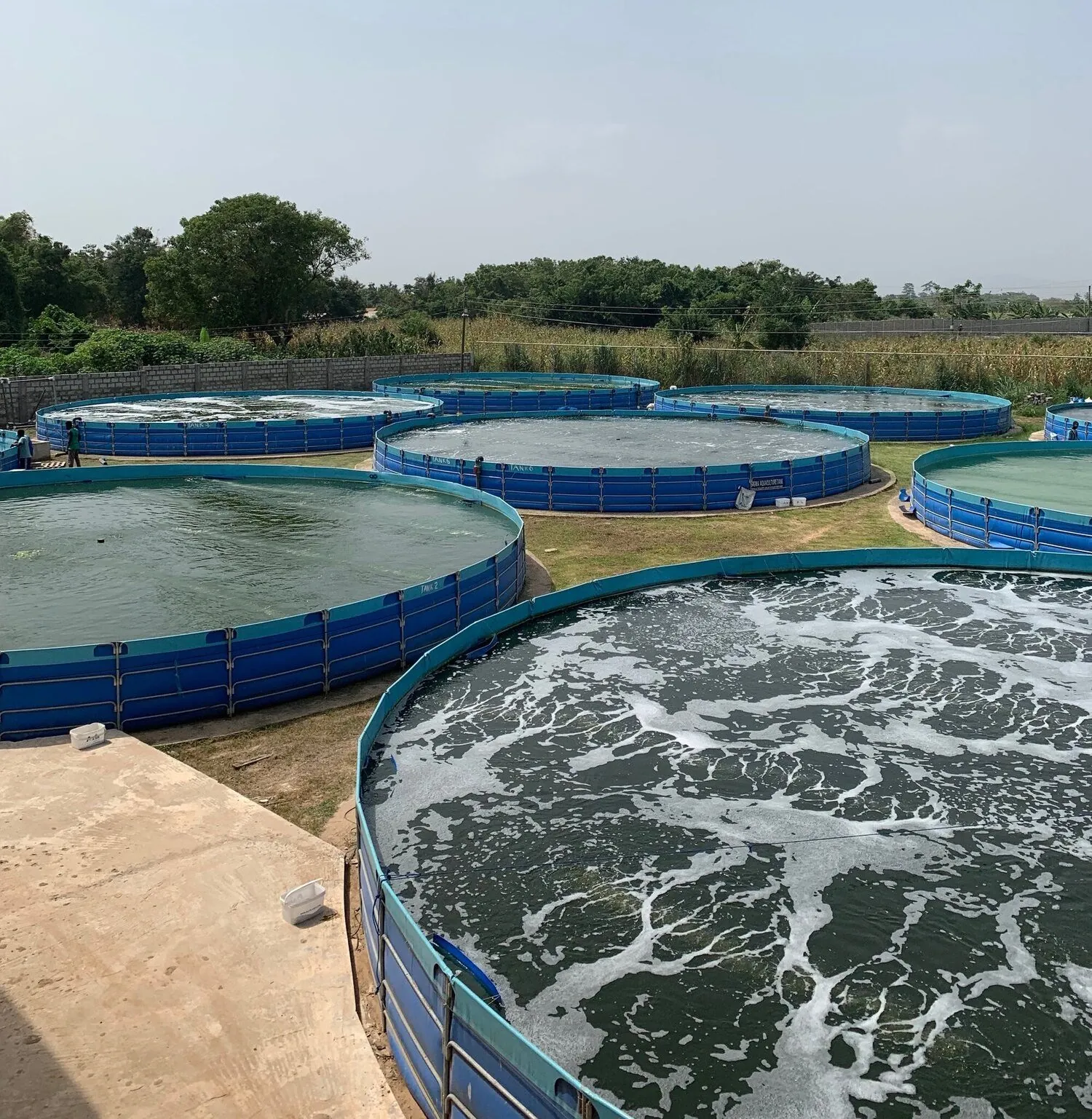
A round HDPE fish tank is the durable choice for intensive tilapia, giving even circulation and a self-cleaning centre drain. It suits both clear-water and biofloc tilapia culture and stands up to years of outdoor use.
FRP tank
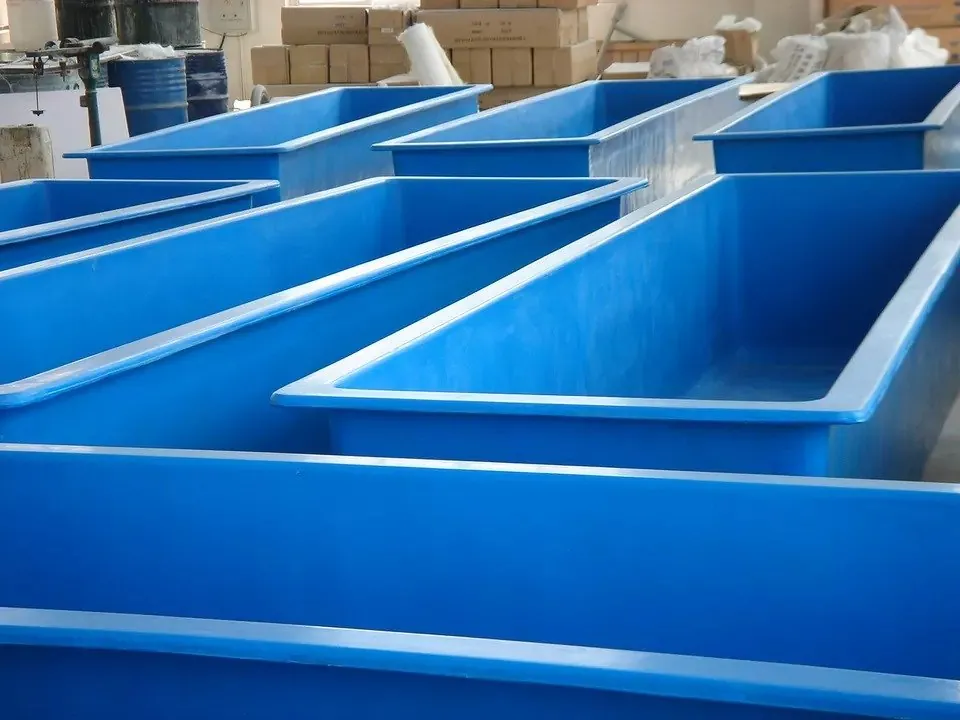
A FRP (fiberglass) aquaculture tank is the smooth-walled, long-life option for hatchery, nursery and indoor tilapia, easy to disinfect between cycles. The non-porous surface helps keep parasite and bacterial carry-over down.
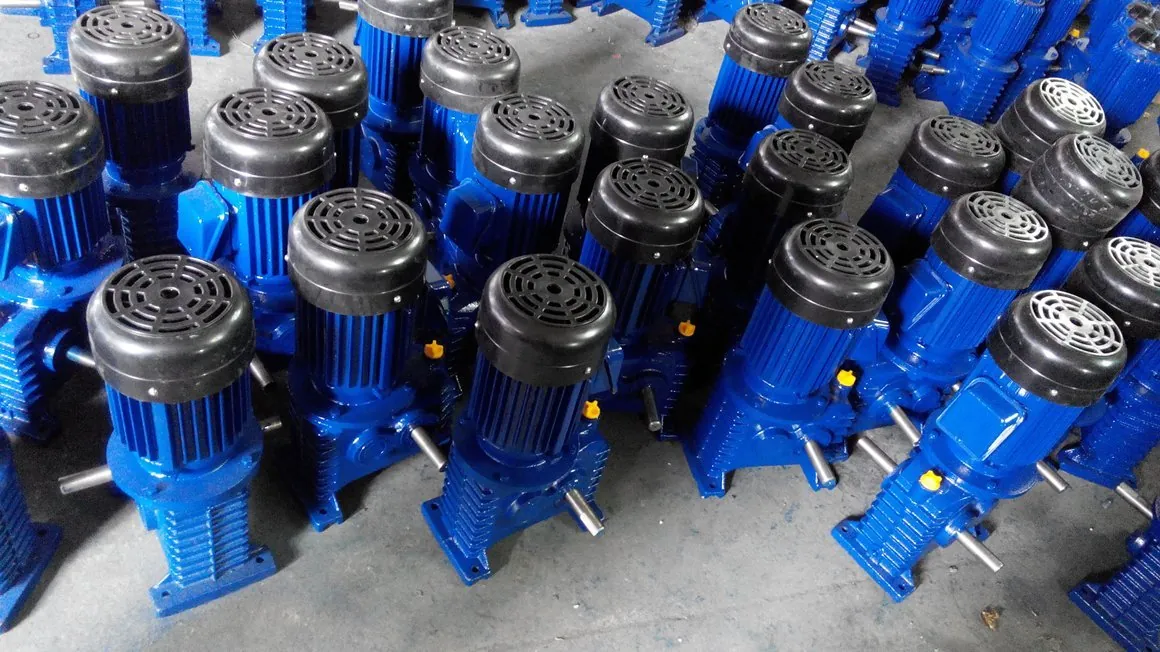
Paddle wheel aerator
A paddle wheel aerator lifts dissolved oxygen and drives a current that sweeps waste to the drain. It is the most cost-effective aeration for pond and large-tank tilapia and the first thing to scale up as density rises.
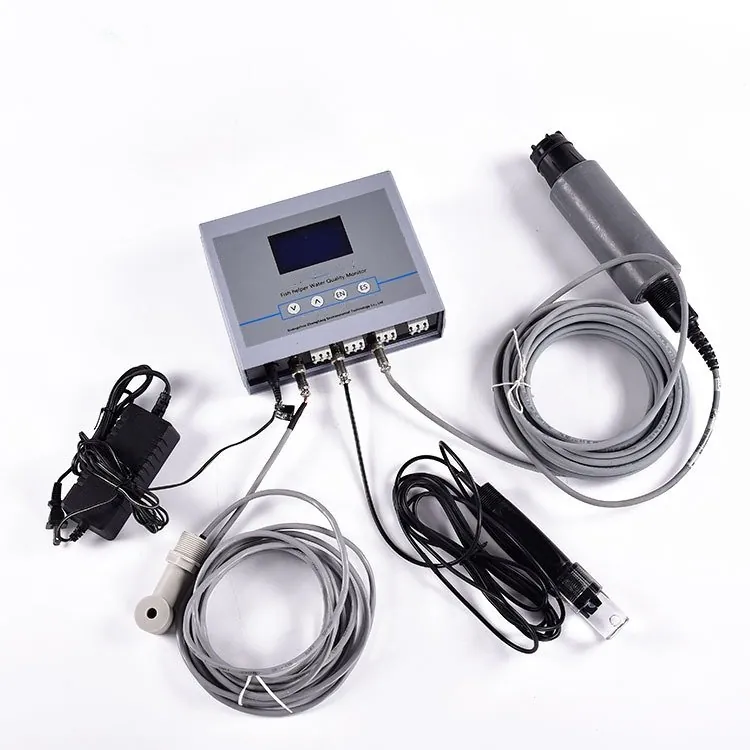
Water-quality monitor
A multi-parameter water quality meter reads dissolved oxygen, pH, ammonia trend and temperature — the numbers behind almost every tilapia disease outbreak. In a sick tilapia tank the water is the diagnosis, as explained in water quality and fish disease.
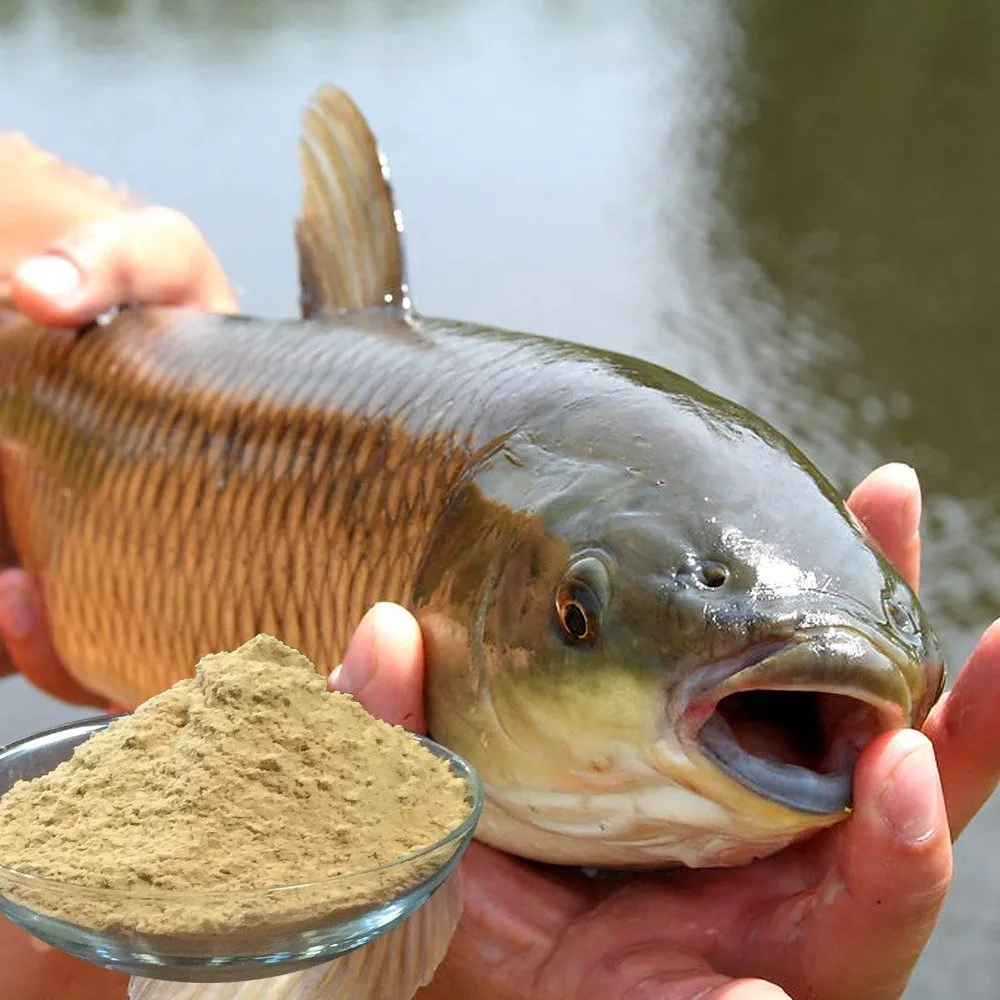
Aquaculture probiotics
Aquaculture probiotics help hold the microbial balance and water quality that keeps tilapia disease-resistant. They support gut health and reduce the organic load that opportunistic bacteria feed on.
Equipment
Recommended tilapia equipment
A tilapia setup pairs the right tank with aeration, monitoring and health-management equipment.
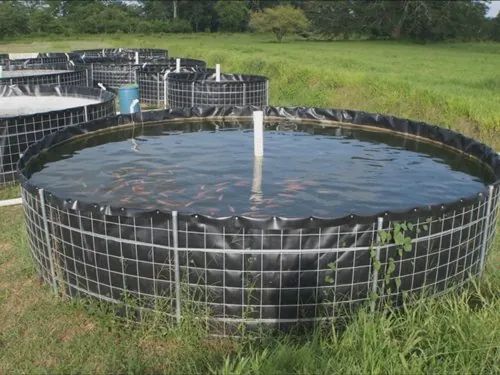
Durable HDPE fish-farming tanks — on-site welding, 15-year liner, lower cost than earthen ponds. Any diameter & depth. SIGMA ships worldwide. Get a quote in 12h.
View details →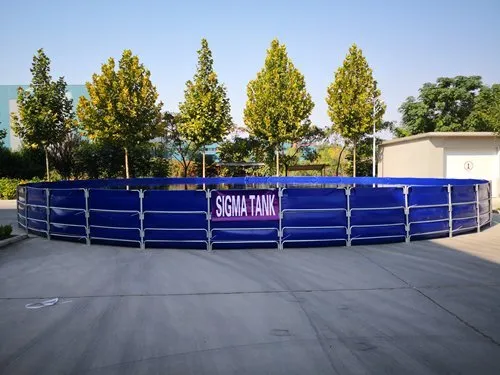
Modular PVC fish-farming tanks — quick assembly, energy-saving, food-safe liner, lower cost than concrete. Any size for biofloc & RAS. Factory-direct from SIGMA.
View details →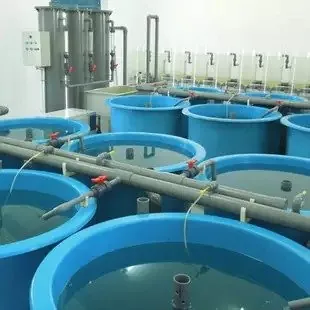
Corrosion-proof FRP (fiberglass) fish tanks for hatcheries, RAS & live-holding. Custom shapes & sizes, smooth food-safe surface. Manufacturer-direct from SIGMA.
View details →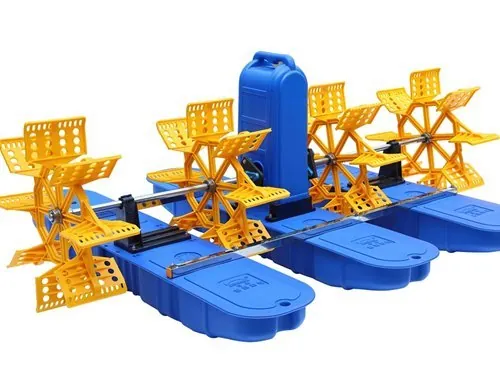
Energy-efficient paddle wheel aerators for shrimp & fish ponds — strong circulation & oxygen transfer, durable impellers. Multiple sizes, factory-direct from SIGMA.
View details →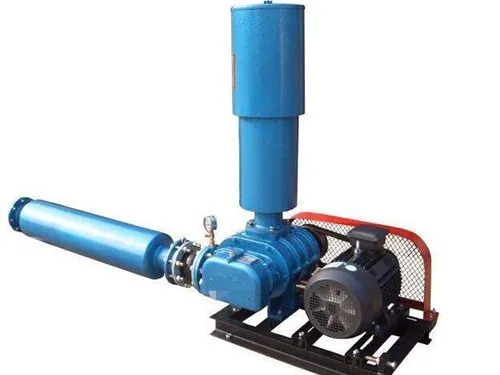
High-efficiency roots blowers for biofloc, RAS & pond aeration. Direct-from-factory pricing, multiple capacities, worldwide export from SIGMA.
View details →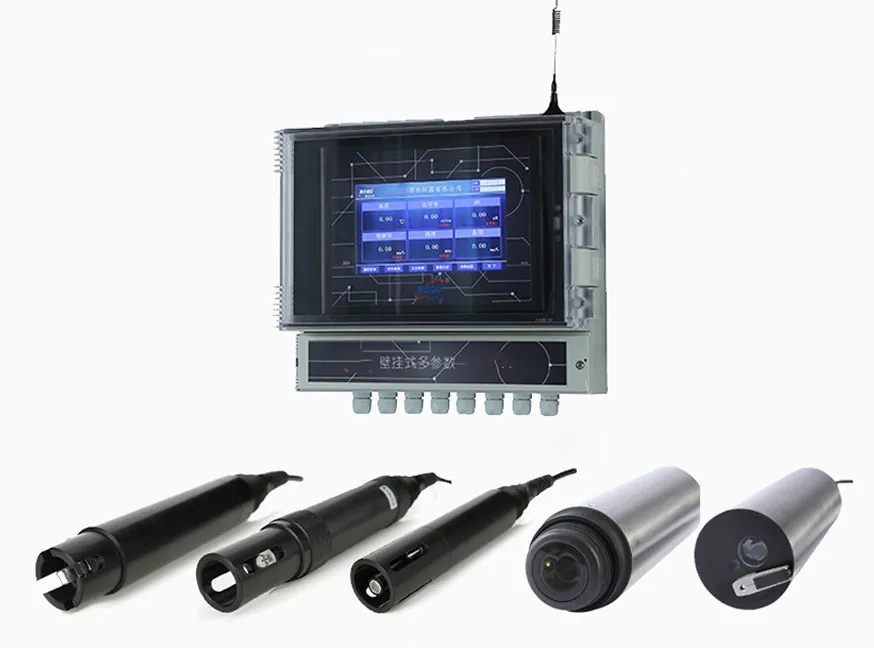
Online multi-parameter water-quality monitor for aquaculture — measures dissolved oxygen, pH, ORP, TDS & conductivity in real time. Factory-direct from SIGMA.
View details →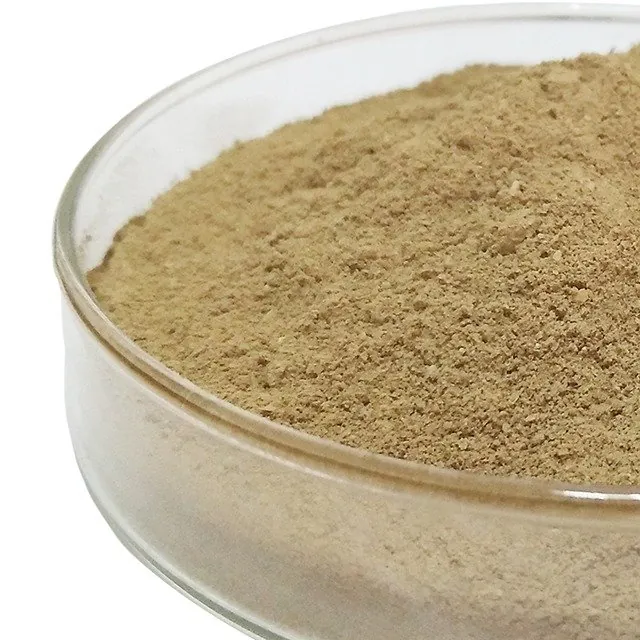
Aquaculture probiotics for biofloc, ponds & RAS — stabilize water quality, improve gut health & feed conversion, reduce disease. Bulk supply from SIGMA.
View details →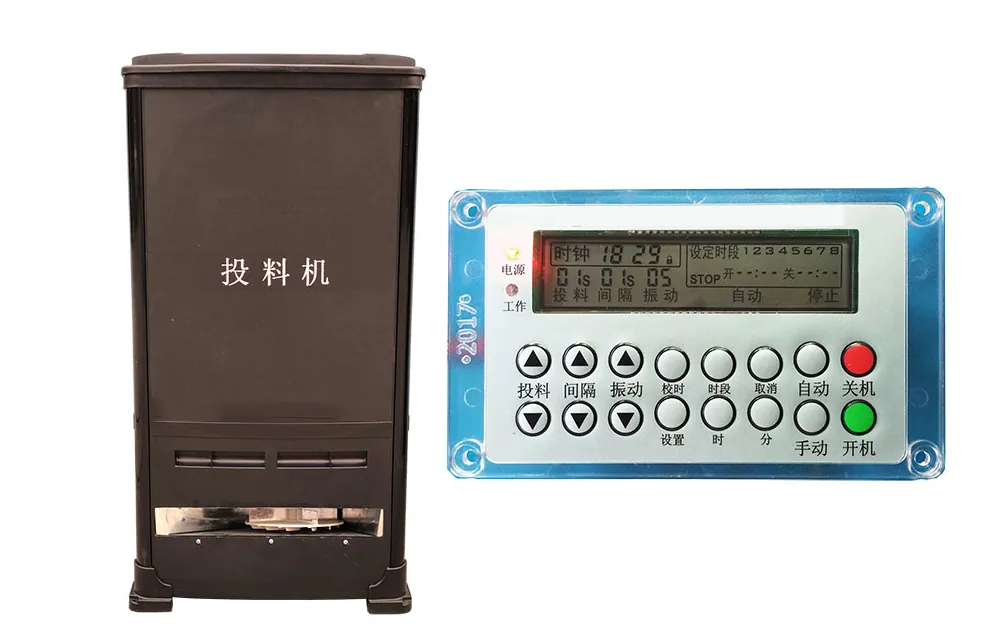
Automatic & smart fish-feeding machines for ponds, cages & RAS — programmable timing, even broadcast, saves labor & feed. Multiple capacities from SIGMA.
View details →Design & sizing
Design & health-management tips
Set density by oxygen, not by tank size. Scale paddle wheel aerators and diffused air from a roots blower to peak demand — right after feeding and on warm nights — and keep aeration backup, because oxygen is the first thing that kills crowded tilapia.
Treat health as water management. The common parasites Trichodina and Monogenea flukes, and bacterial diseases such as Streptococcus and Aeromonas septicemia, are opportunists that take a stressed, dirty tank — keep the water clean and they have no opening.
Build in biosecurity. A UV sterilizer, routine water-quality monitoring and probiotics are cheaper than an outbreak; the full prevention checklist is in aquaculture disease prevention and biosecurity. Compare the full range of aquaculture tanks and oxygen equipment when sizing a tilapia build.
Learn more
Guides & technical articles
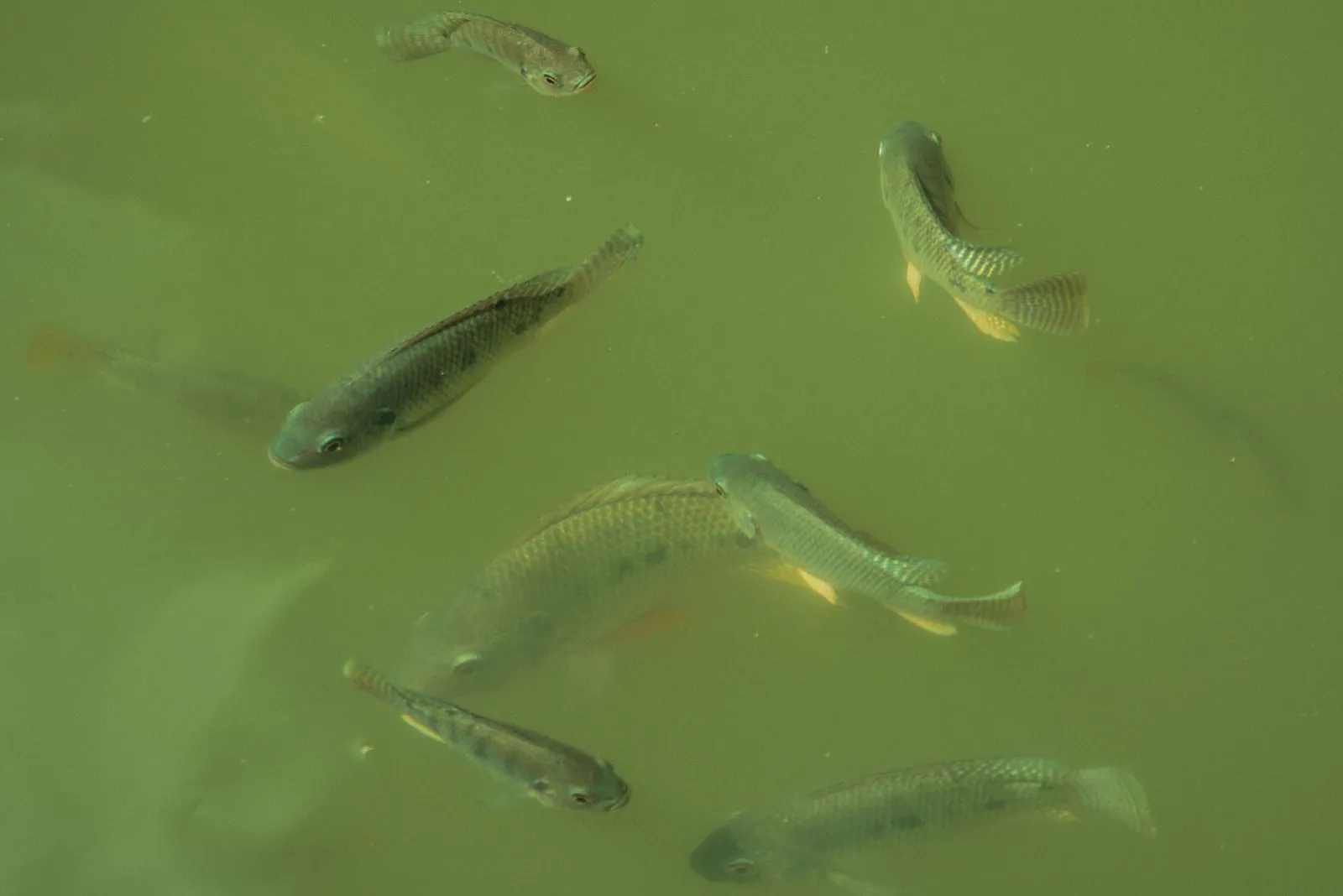
Trichodina is a ciliate parasite that flares up in dirty, crowded tilapia ponds. Spot the symptoms, confirm it under a microscope and treat it for good.
View details →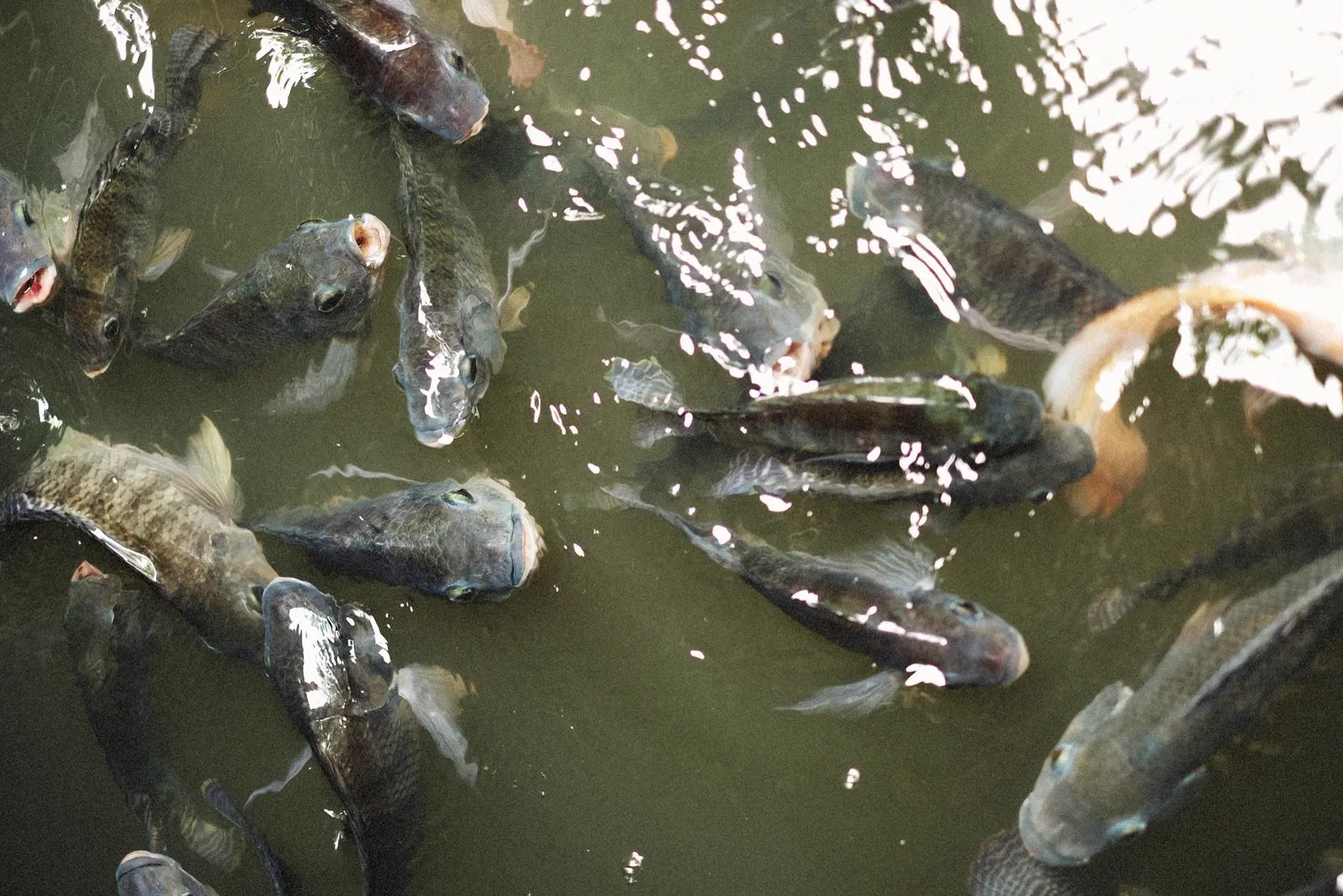
Monogenea (gyrodactylus, dactylogyrus) are skin and gill flukes that kill tilapia. Learn how to diagnose them under a scope and control them in the tank.
View details →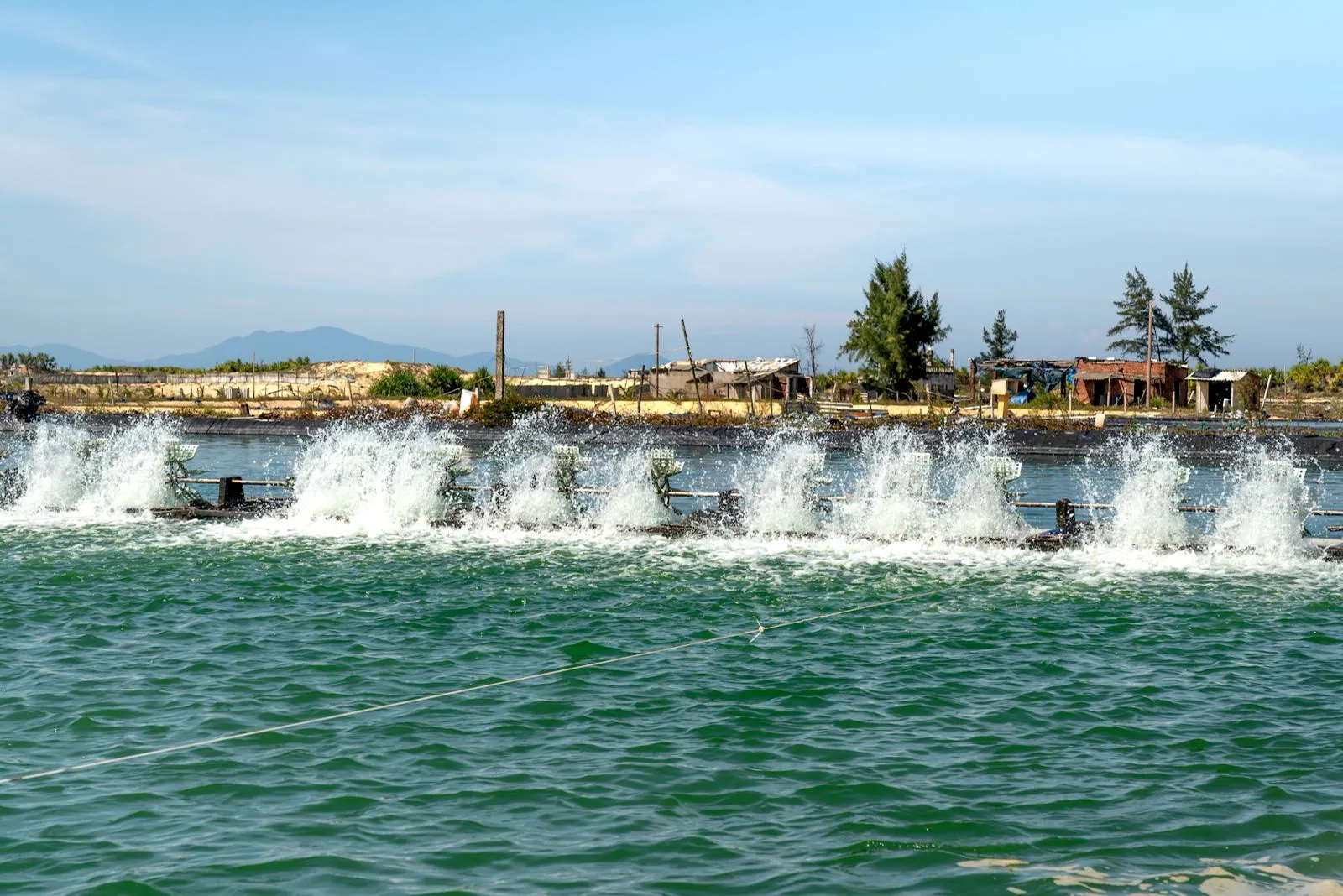
Biofloc technology turns fish waste into protein-rich microbial floc. Learn how it works, the C:N ratio, bacteria, costs and which fish suit it.
View details →FAQ
Frequently asked questions
What equipment do I need to farm tilapia intensively?
Intensive tilapia farming needs a suitable tank (HDPE, PVC or FRP), strong aeration from paddle wheel aerators or a roots blower, water-quality monitoring, and biosecurity such as UV sterilization and probiotics. Density is limited by the oxygen you can supply.
What are the most common tilapia diseases?
On tilapia farms the most common problems are the parasites Trichodina and Monogenea (gill and skin flukes), and bacterial diseases including Streptococcus, columnaris and Aeromonas septicemia. Almost all of them flare when water quality drops and the fish are stressed.
How much aeration does a tilapia tank need?
Enough to hold dissolved oxygen comfortably above the danger zone across the whole day, including the spike right after feeding and on warm nights when oxygen is lowest. Size aerators to peak biomass and always keep a backup air source.
Can tilapia be farmed in biofloc and RAS systems?
Yes. Tilapia is one of the classic biofloc species and is also well suited to recirculating aquaculture systems, both of which allow high density on little water. The same aeration and water-quality discipline applies.
How do I prevent parasite outbreaks in tilapia?
Keep water quality stable, avoid overcrowding and handling stress, monitor with a water-quality meter, and use UV sterilization to knock down free-swimming parasite stages. Parasites like Trichodina are normally present at harmless levels and only flare when conditions tip in their favour.
Which tank is best for tilapia farming?
A round HDPE tank is the durable workhorse for intensive grow-out; FRP is preferred for hatchery and nursery because it is smooth and easy to disinfect; PVC tarpaulin tanks lower the entry cost for a first cycle.
Proof
Related export cases
SIGMA case study: a biofloc tilapia tank system engineered, manufactured and exported to Japfa Group for their aquaculture operation.
View details →
SIGMA case study: a circular tilapia farming tank manufactured and exported to a customer in Ghana. See the project details.
View details →Plan your aquaculture system
Tell us your species, target density and site, and our aquaculture engineers will spec the equipment combination for you.