Application solution
Crayfish Farming Equipment
Pond tanks, aeration, feeding and water-quality equipment for crayfish culture.
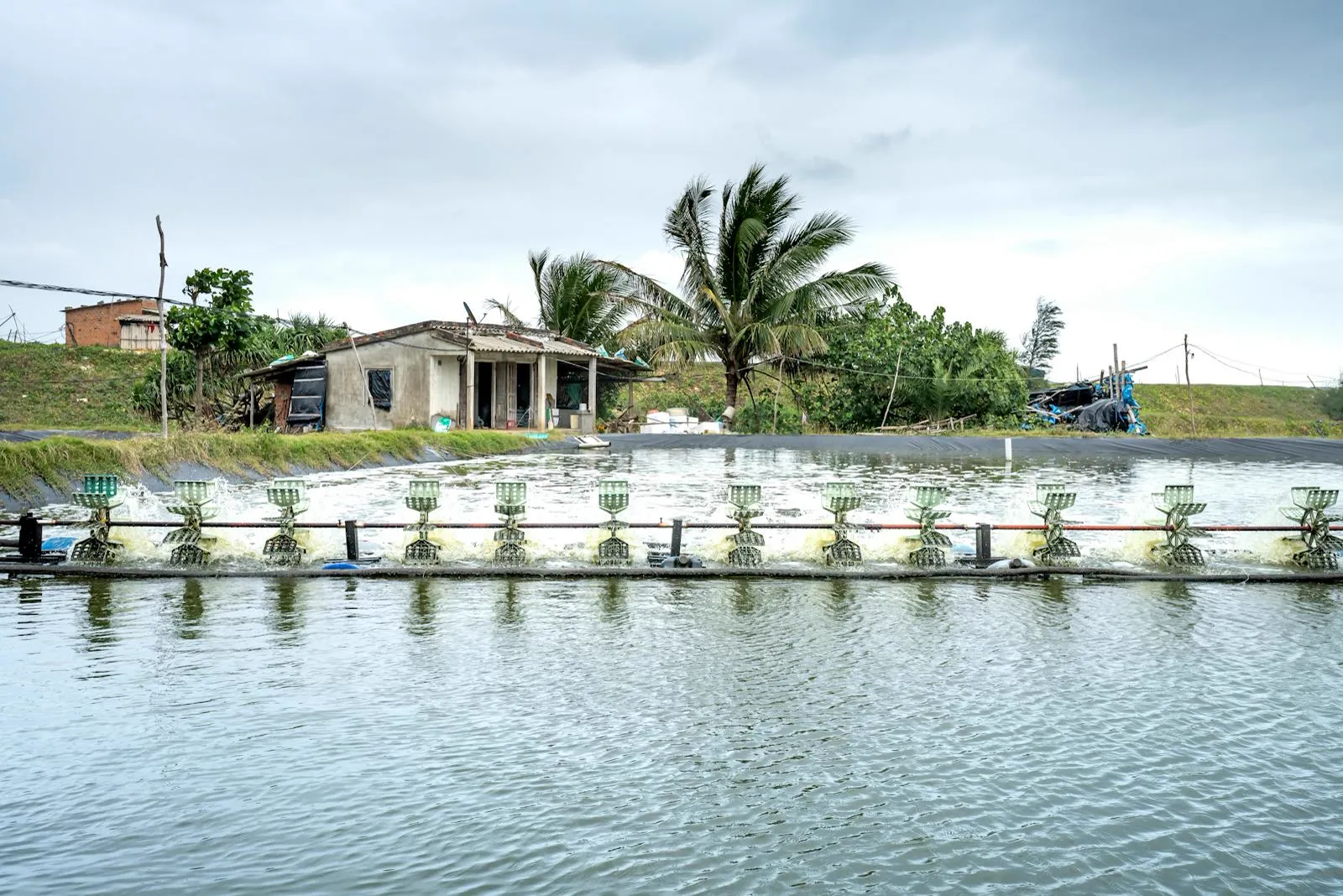
Crayfish are typically farmed in earthen or lined ponds, often alongside a rice crop, where they burrow, forage and grow at relatively low stocking density compared with intensive fish or shrimp systems. Even at that lower density, oxygen still drops fastest during warm nights and after feeding, which is when most losses happen.
A crayfish pond depends on the same basics as other pond aquaculture — a reliable water-holding structure, aeration to cover the low-oxygen periods, controlled feeding and water-quality checks. The equipment below covers each of those jobs for a crayfish operation.
How it works
What crayfish farming equipment needs to do
Crayfish farming equipment centres on the pond and its aeration. A lined pond tank or HDPE tank holds water where an unlined earthen pond would seep or erode, and a paddle wheel aerator drives surface aeration and circulation to prevent the oxygen crashes that happen overnight and after heavy feeding.
Where density is pushed higher, a roots blower supplies diffused aeration through the water column rather than only at the surface, and aquaculture probiotics help keep the pond bottom and water chemistry stable — the same biological management used in biofloc systems, though most crayfish ponds run at lower density than a biofloc tank.
Feeding and monitoring close the loop: controlled feed delivered on schedule avoids fouling the pond bottom, and a multi-parameter water quality monitor tracks dissolved oxygen and pH so problems are caught early rather than after crayfish are found dead in the traps.
Build
System components
PVC tarpaulin pond liner / tank
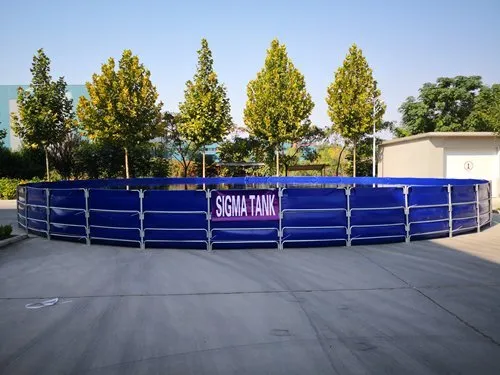
A PVC tarpaulin tank or pond liner gives a crayfish pond a watertight, easy-to-clean base at lower cost than concrete, which suits the lower stocking density most crayfish farms run at. Specify a heavy-gauge liner where crayfish will burrow against the sides.
HDPE pond tank
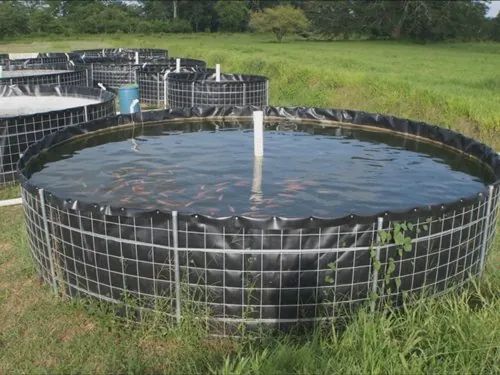
A bolted HDPE tank is the durable option where a crayfish operation wants a permanent, reusable structure rather than a seasonal earthen pond, giving even water circulation for aeration and feeding.
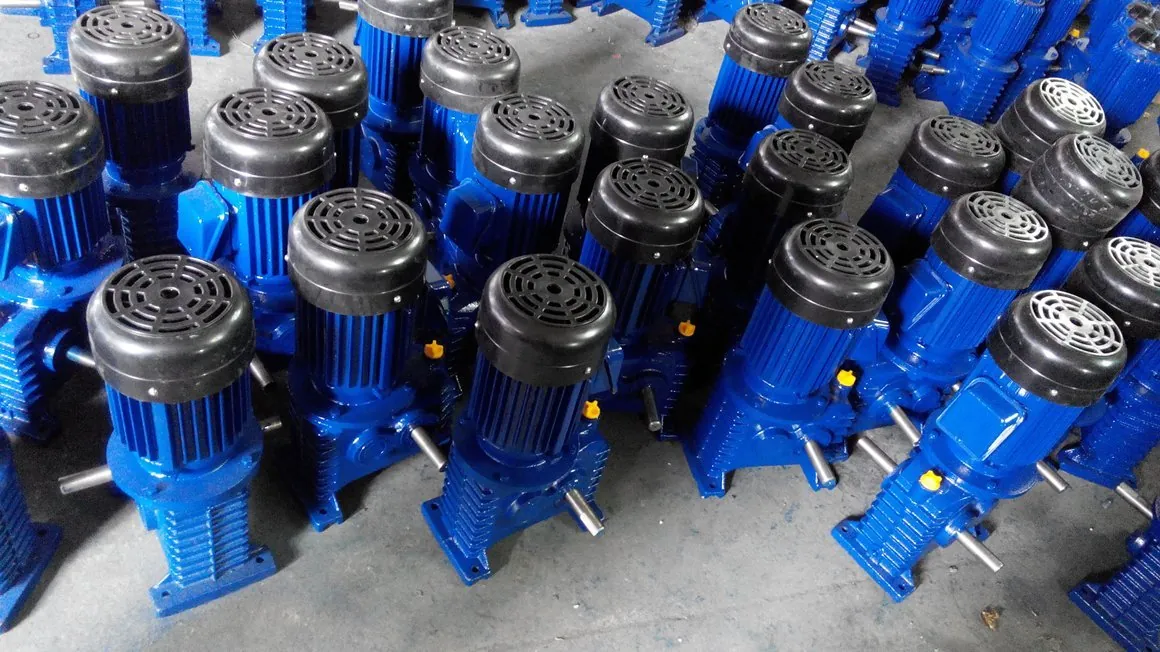
Paddle wheel aerator
A paddle wheel aerator is the standard surface aerator for crayfish ponds, breaking the still water that lets oxygen stratify overnight. It is the single piece of equipment most likely to prevent a crayfish die-off after a hot, still night.
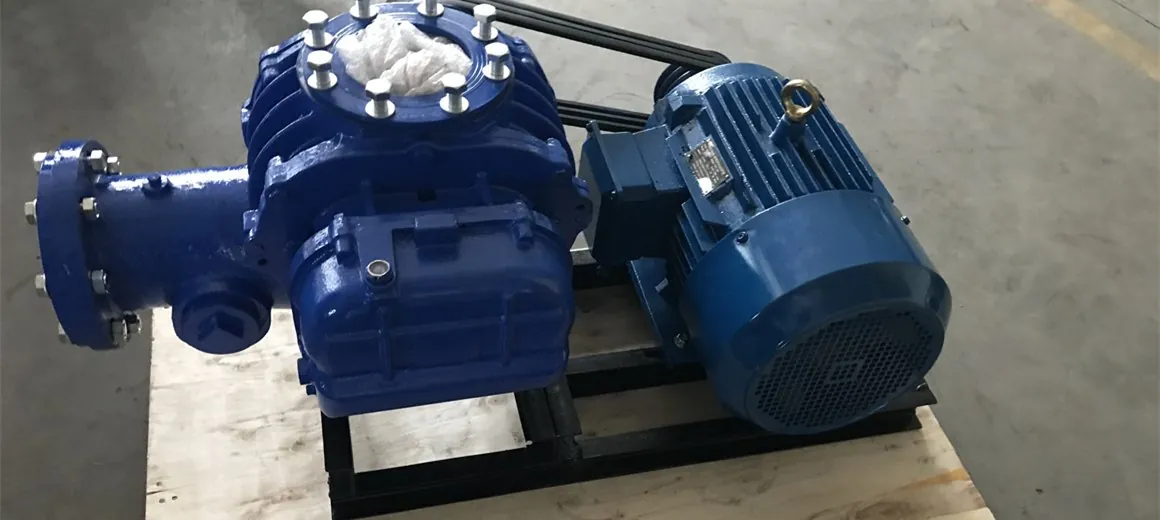
Roots blower
A roots blower for aquaculture feeding diffused air into the water column supports higher-density crayfish culture than surface aeration alone, and pairs with aquaculture probiotics where a farm is running closer to biofloc-style density.
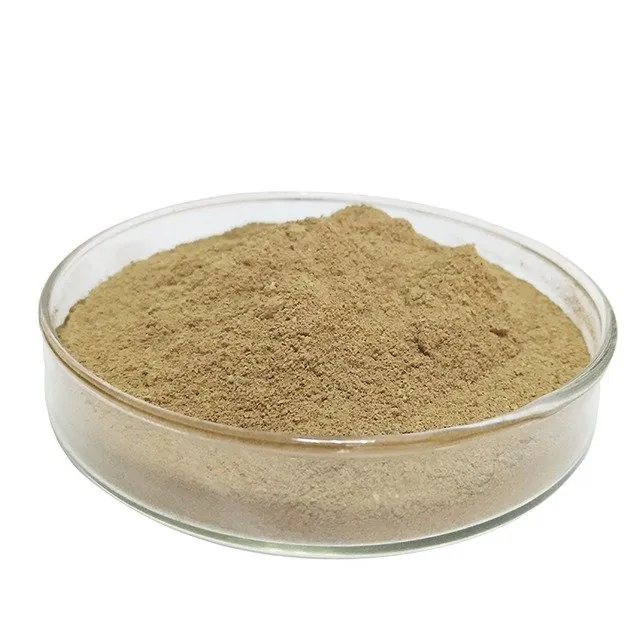
Aquaculture probiotics
Aquaculture probiotics support beneficial bacteria in the pond bottom and water column, helping break down uneaten feed and waste before it drives an ammonia spike — useful in any crayfish pond, and closer to essential in a high-density setup.
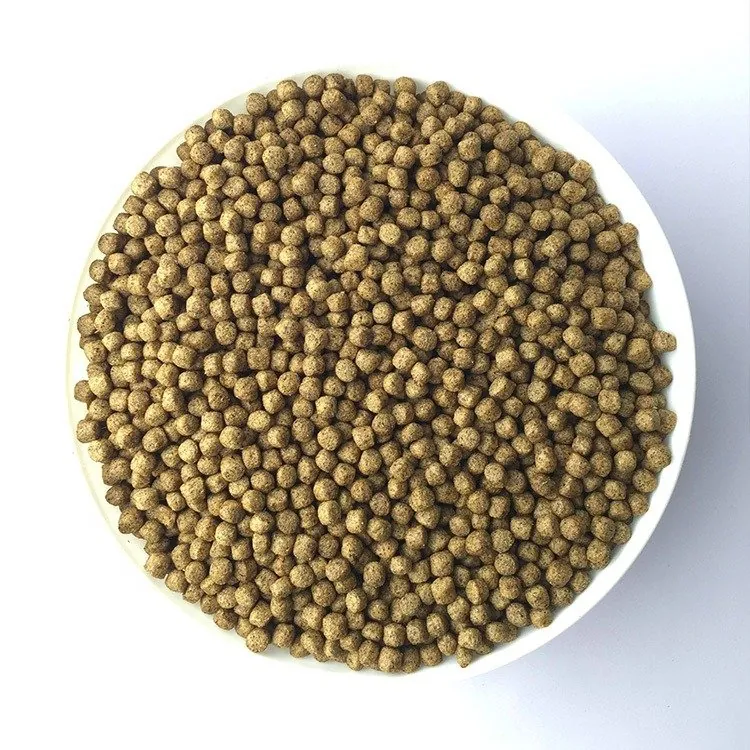
Fish & shrimp feed
Formulated fish and shrimp feed sized for crustaceans supports steady crayfish growth without oversupplying protein the pond cannot process, which is what most commonly fouls water in an overfed crayfish pond.
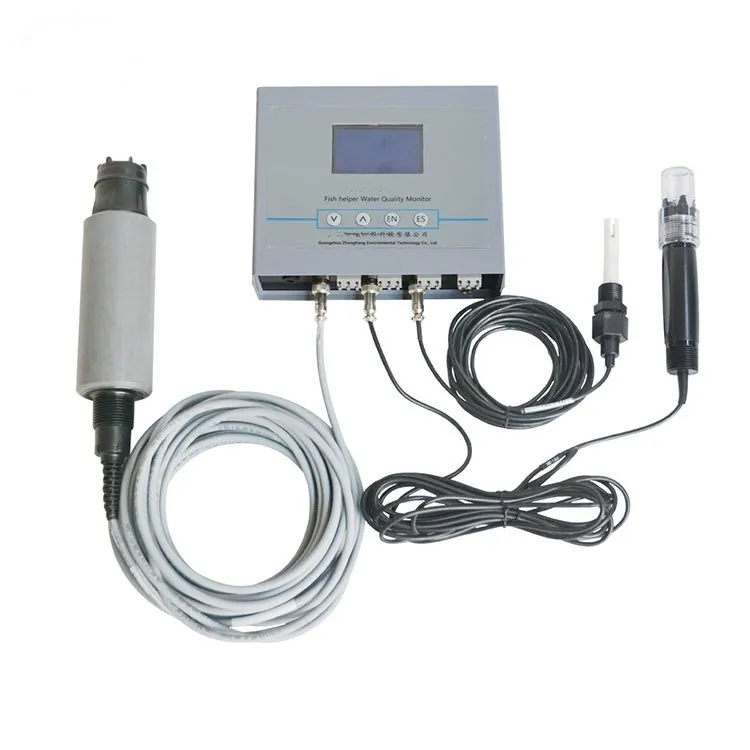
Water quality monitor
A multi-parameter water quality meter reads dissolved oxygen, pH and conductivity, giving an early warning before a crayfish pond crashes — crayfish losses are often found only after the fact, so measurement is the practical alternative to guessing.
Equipment
Recommended crayfish farming equipment
A crayfish package combines a pond liner or tank, aeration, controlled feeding and water-quality monitoring.
Modular PVC fish-farming tanks — quick assembly, energy-saving, food-safe liner, lower cost than concrete. Any size for biofloc & RAS. Factory-direct from SIGMA.
View details → Durable HDPE fish-farming tanks — on-site welding, 15-year liner, lower cost than earthen ponds. Any diameter & depth. SIGMA ships worldwide. Get a quote in 12h.
View details →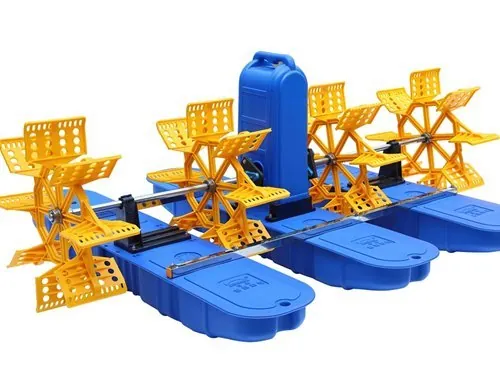
Energy-efficient paddle wheel aerators for shrimp & fish ponds — strong circulation & oxygen transfer, durable impellers. Multiple sizes, factory-direct from SIGMA.
View details →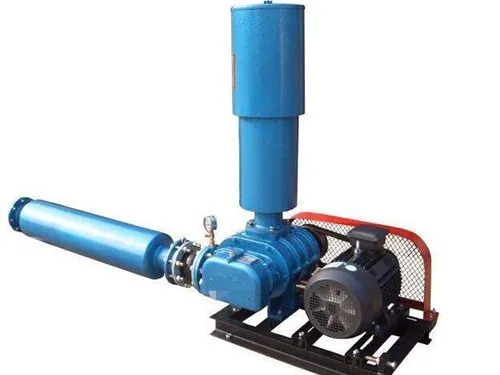
High-efficiency roots blowers for biofloc, RAS & pond aeration. Direct-from-factory pricing, multiple capacities, worldwide export from SIGMA.
View details →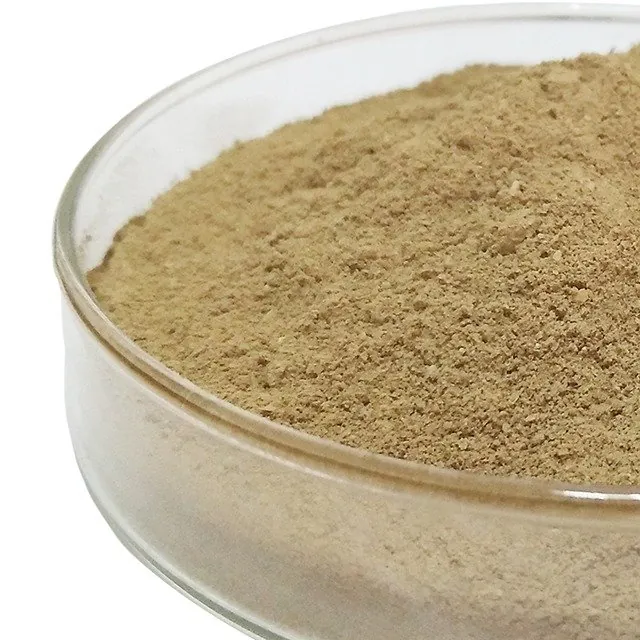
Aquaculture probiotics for biofloc, ponds & RAS — stabilize water quality, improve gut health & feed conversion, reduce disease. Bulk supply from SIGMA.
View details →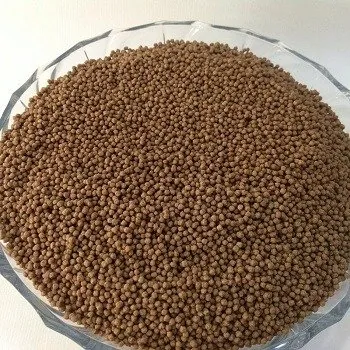
High-protein floating & sinking feed for tilapia, shrimp & carp — optimized FCR, stable in water, full size range. Bulk aquafeed supply from SIGMA.
View details →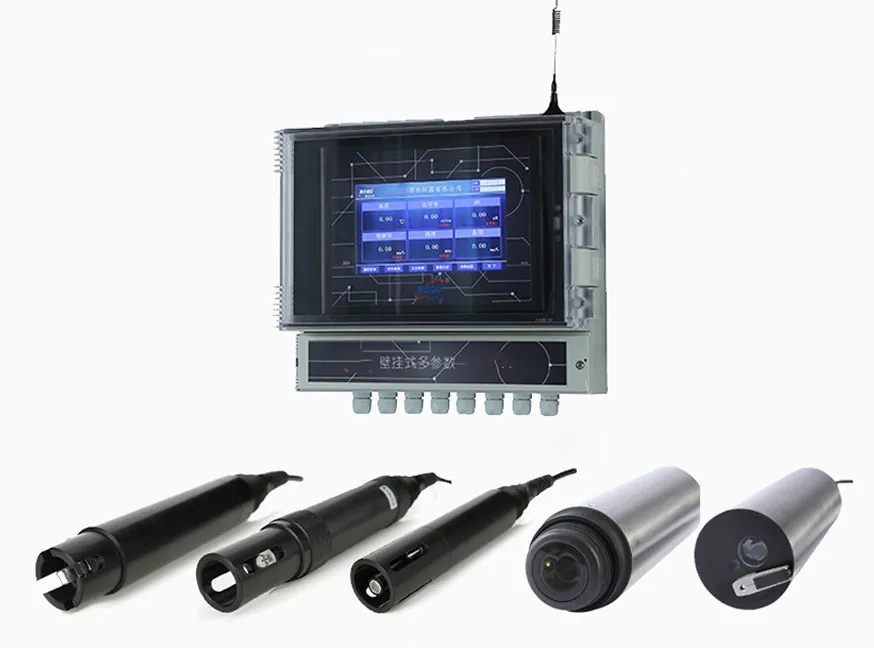
Online multi-parameter water-quality monitor for aquaculture — measures dissolved oxygen, pH, ORP, TDS & conductivity in real time. Factory-direct from SIGMA.
View details →Design & sizing
Design & operating tips
Size aeration for the worst night, not the average day. A paddle wheel aerator run on a timer through the pre-dawn low-oxygen window prevents most crayfish mortality events, which cluster overnight and after heavy feeding.
Match the pond structure to how permanent the operation is. A PVC tarpaulin liner suits a seasonal or budget-conscious crayfish pond, while a bolted HDPE tank suits a permanent, higher-throughput site.
Feed to the pond, not the calendar. Controlled feed delivery and probiotics keep organic load down; overfeeding is the fastest way to foul a crayfish pond and trigger the ammonia and low-oxygen conditions that kill crayfish quietly, out of sight in their burrows.
Move up to diffused aeration if you push density. Ponds run near biofloc density benefit from a roots blower and column aeration rather than relying on a surface aerator alone.
FAQ
Frequently asked questions
What equipment is needed to start crayfish farming?
Core crayfish farming equipment is a lined pond or tank (PVC tarpaulin or HDPE), a paddle wheel aerator for overnight oxygen protection, formulated feed, and a water-quality monitor. A roots blower and probiotics are added as density increases.
Why do crayfish ponds need aeration?
Oxygen in a still pond stratifies and drops fastest overnight and after feeding, which is when most crayfish losses happen. A paddle wheel aerator keeps the water circulating and oxygenated through that low-oxygen window.
Can crayfish be farmed at high density like biofloc shrimp?
Crayfish are usually farmed at lower density than an intensive biofloc system, often in earthen ponds, but farms pushing higher density add diffused aeration from a roots blower and probiotics to manage the extra waste load, similar to biofloc practice.
What pond liner works best for crayfish?
A heavy-gauge PVC tarpaulin liner is a cost-effective, watertight base for a crayfish pond and holds up to burrowing better than a thin liner. A bolted HDPE tank is the more durable, permanent alternative for higher-throughput operations.
How is feeding managed in a crayfish pond?
Crayfish are fed formulated feed on a controlled schedule rather than free-fed, since uneaten feed settles and fouls the pond bottom. Watching feed response and adjusting the ration is standard practice to protect water quality.
How do you know if a crayfish pond has a water-quality problem?
A multi-parameter water-quality monitor tracking dissolved oxygen, pH and conductivity is the practical way to catch a problem early — crayfish losses in burrows are often not visible until the pond is drained, so instrumentation is more reliable than visual checks alone.
Plan your aquaculture system
Tell us your species, target density and site, and our aquaculture engineers will spec the equipment combination for you.