No cylinder deliveries
Oxygen is generated continuously on site - no scheduling, no storing bulk liquid oxygen on a rural farm.
PSA Oxygen Generation
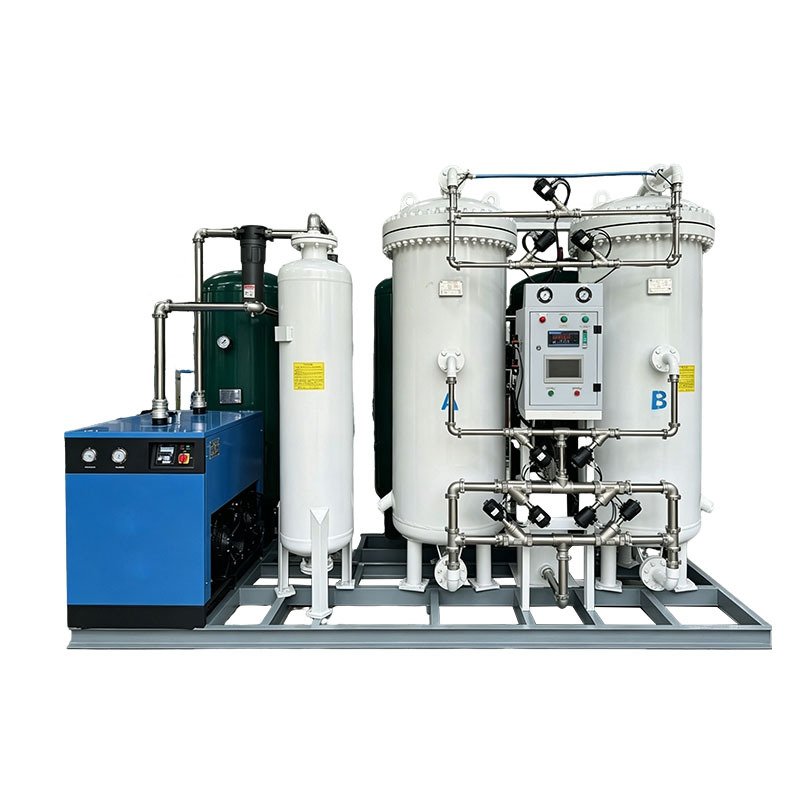
A PSA oxygen generator for aquaculture makes high-purity oxygen on site from ambient air, feeding cones, diffusers and nanobubble generators around a dense fish or shrimp farm without cylinder deliveries or bulk liquid oxygen storage.
15+ years in aquaculture engineering · Trusted by Japfa Group, Japan Nissui & Tropo Farms · Shipped worldwide in one container
An oxygen generator for aquaculture uses pressure swing adsorption (PSA) to pull oxygen straight out of the air on site, so a farm never has to schedule cylinder deliveries or store bulk liquid oxygen. Air is compressed, passed through a molecular sieve that adsorbs nitrogen, and the enriched oxygen stream (typically 90–95% purity) feeds directly to oxygen cones, diffusers or nanobubble generators around the site.
Compared with a rented liquid oxygen tank, a fish farm oxygen generator runs continuously at a fixed daily cost and removes the safety and logistics burden of storing cryogenic liquid oxygen on a rural site. It also outperforms blower-only aeration once stocking density climbs, because dissolved oxygen from a PSA stream can be pushed well past what surface aeration alone can deliver during hot, low-pressure nights.
SIGMA sizes each PSA oxygen generator to the farm's peak biomass and delivery point — hatchery, grow-out pond or RAS loop — and pairs it with oxygen cones or fine-bubble/nanobubble diffusers so the gas actually dissolves before it reaches the fish.
Many farms start with oxygen tanks for aquaculture or contracted LOX deliveries. Cylinders are simple, but refills, rental and trucking add up, and one missed delivery can cost a whole crop in a high-density system. An on-site oxygen plant for aquaculture removes that dependency: it draws ambient air, strips nitrogen in the molecular sieves and supplies a continuous oxygen stream, with a small cylinder bank kept only as emergency backup.
Cold-water species tolerate very little oxygen debt. An oxygen generator for salmon farming supports smolt units, raceways and loading operations, holding saturation steady through grading, transport and warm spells — exactly when dissolved oxygen drops fastest and stock is under the most stress.
Eggs, larvae and broodstock are the most valuable and least forgiving stock on a farm, which is why an oxygen system for hatchery and broodstock rooms is usually the first PSA installation a company makes. Paired with a dissolved oxygen cone, the generator gives tanks fine control of saturation without anyone handling cylinders.
In intensive shrimp and biofloc systems the generator feeds nano-tube oxygen diffusers directly, raising bottom dissolved oxygen where feed and floc consume it first.
Specifications
Output, purity and power draw are the standard indicative range - final sizing is confirmed by SIGMA before shipment.
| Model | Capacity | Typical use | Core configuration |
|---|---|---|---|
| SIGMA-OG-3 Inquire → | 3 Nm3/h - 93% O2 | Hatchery / small farm | Single compressor, one sieve tower |
| SIGMA-OG-10 Inquire → | 10 Nm3/h - 93% O2 | Mid-size pond cluster | Twin-tower PSA, buffer tank |
| SIGMA-OG-25 Inquire → | 25 Nm3/h - 90-93% O2 | Large farm / multiple cones | Twin-tower PSA, oil-free compressor |
| SIGMA-OG-50 Inquire → | 50 Nm3/h - 90-93% O2 | Commercial RAS / hatchery complex | Multi-tower, PLC monitoring |
| Process | Pressure swing adsorption (PSA) - molecular sieve adsorbs nitrogen from compressed air |
|---|---|
| Output purity | 90-95% O2, adjustable against flow rate |
| Delivery | Feeds oxygen cones, fine-bubble diffusers or nanobubble generators |
| Duty | Continuous running, sized to peak farm biomass |
| Comparison | Runs at a fixed daily power cost, unlike scheduled liquid oxygen deliveries |
| Options | Oxygen buffer tank, flow monitoring, back-up cylinder manifold |
System composition
Oxygen is generated continuously on site - no scheduling, no storing bulk liquid oxygen on a rural farm.
Feeds oxygen cones and nanobubble generators so dissolved oxygen keeps up with dense stocking, not just surface aeration.
Runs on grid power at a predictable daily cost instead of fluctuating cylinder or liquid oxygen prices.
Output (Nm3/h) is matched to the farm's hatchery, grow-out pond or RAS oxygen demand before shipment.
Application
Gallery
FAQ
A PSA (pressure swing adsorption) oxygen generator fish farm setup compresses ambient air and passes it through a molecular sieve that adsorbs nitrogen, leaving an enriched oxygen stream of roughly 90-95% purity that feeds directly to cones or diffusers.
Liquid oxygen aquaculture supply is higher purity but needs scheduled deliveries and safe cryogenic storage on site. A PSA oxygen generator runs continuously at a fixed power cost with no deliveries - most farms switch to PSA once oxygen demand is steady enough to justify the equipment, and keep liquid oxygen only as an emergency back-up.
A roots blower moves plain air (about 21% oxygen) and is the lower-cost option for moderate aeration. A PSA oxygen generator delivers 90%+ oxygen for dense stocking or emergency low-DO events. Many farms run a roots blower for routine aeration and add a PSA oxygen generator with cones for peak biomass periods.
Yes - the oxygen-enriched stream from the PSA unit can feed a nanobubble generator for aquaculture, producing extremely fine bubbles that dissolve almost completely instead of rising and popping at the surface.
Sizing is based on peak biomass, target dissolved oxygen level and delivery method (cone, diffuser or nanobubble). SIGMA reviews stocking density and pond volume before recommending an output (Nm3/h).
Routine maintenance is mainly air-filter and compressor servicing; the molecular sieve itself has a long service life under normal operating conditions.
Related equipment
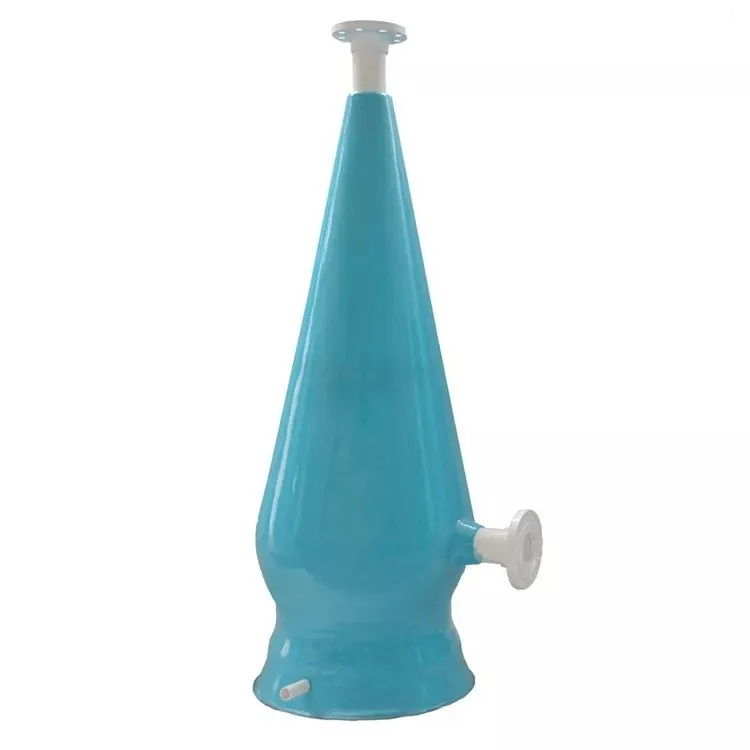
Oxygen / Speece cones that dissolve pure O2 for high-density RAS & biofloc farms. High transfer efficiency, multiple capacities. Manufacturer-direct from SIGMA.
View details →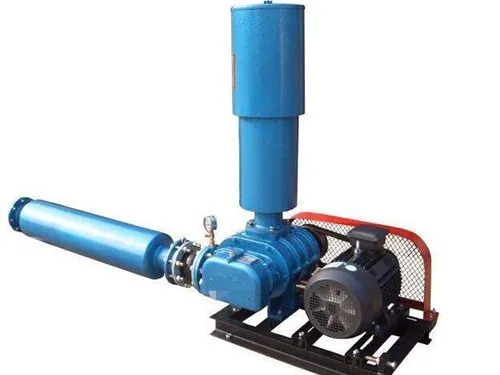
High-efficiency roots blowers for biofloc, RAS & pond aeration. Direct-from-factory pricing, multiple capacities, worldwide export from SIGMA.
View details →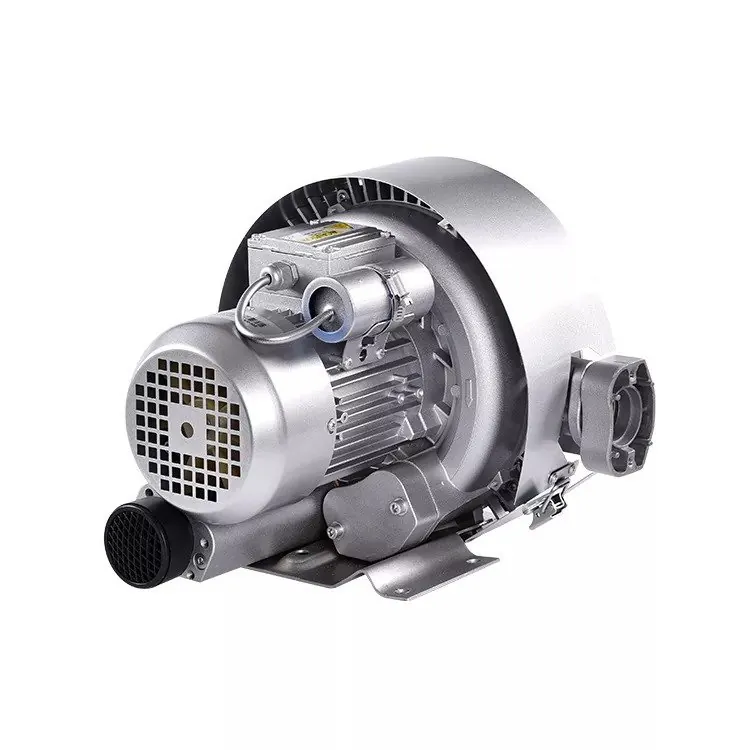
High-pressure regenerative (ring) blowers for aquaculture aeration, RAS & biofloc — oil-free, quiet, energy-efficient. Multiple capacities, factory-direct.
View details →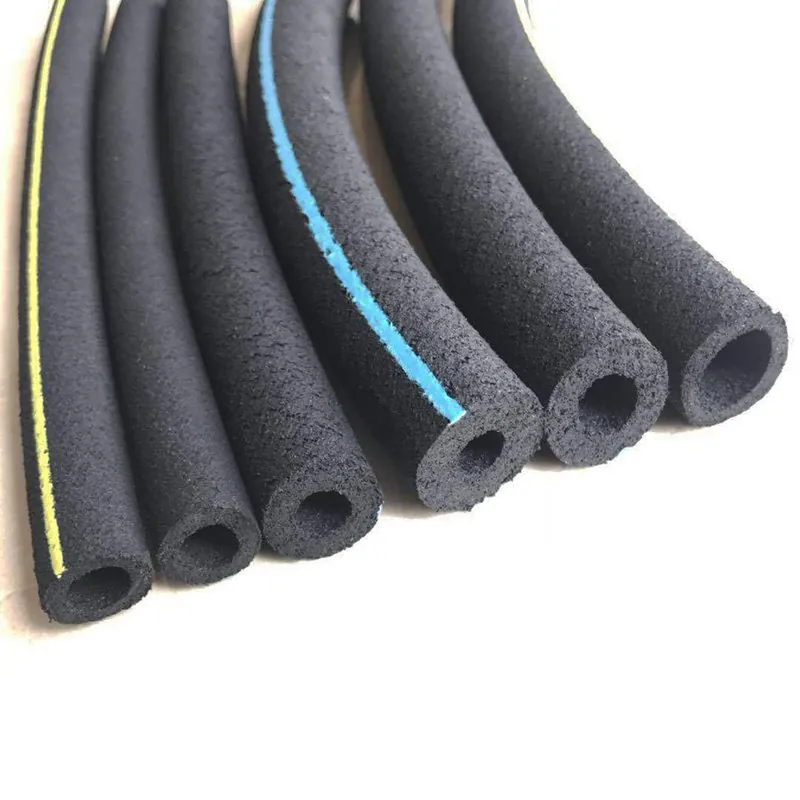
Micro/nano-bubble oxygen diffuser pipes & aeration hose for biofloc and pond fish farming — fine bubbles, high oxygen transfer, clog-resistant. Factory-direct.
View details →Tell us your species, target density and site — our engineers size the system and reply within one business day.