Upwelling gentle tumbling
Eggs stay suspended in oxygen-rich flow, so they neither smother nor fungus over — maximising hatch rate.
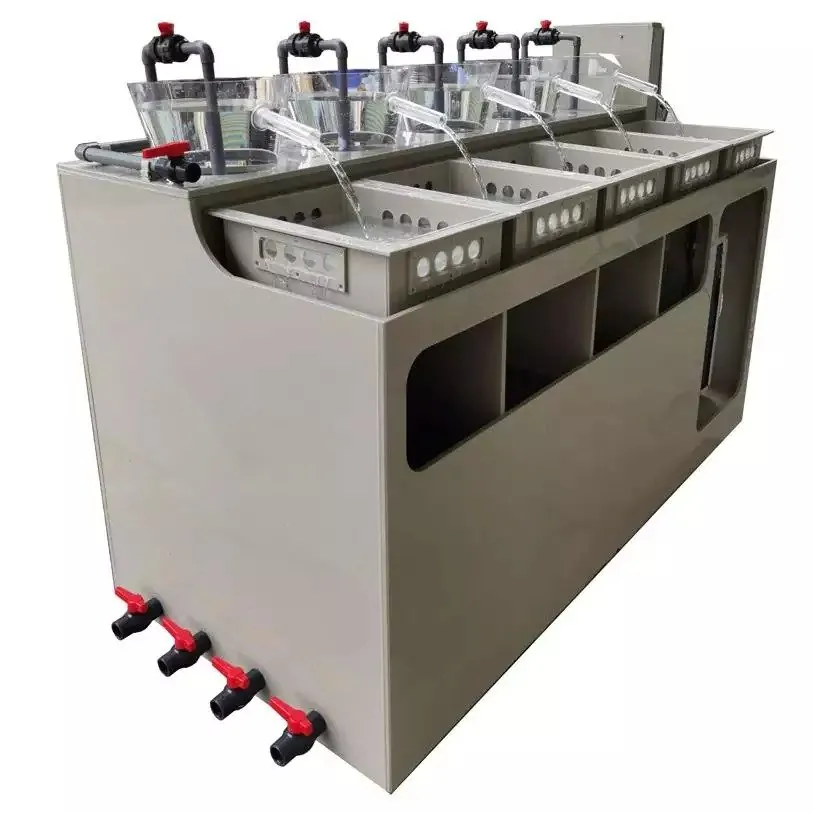
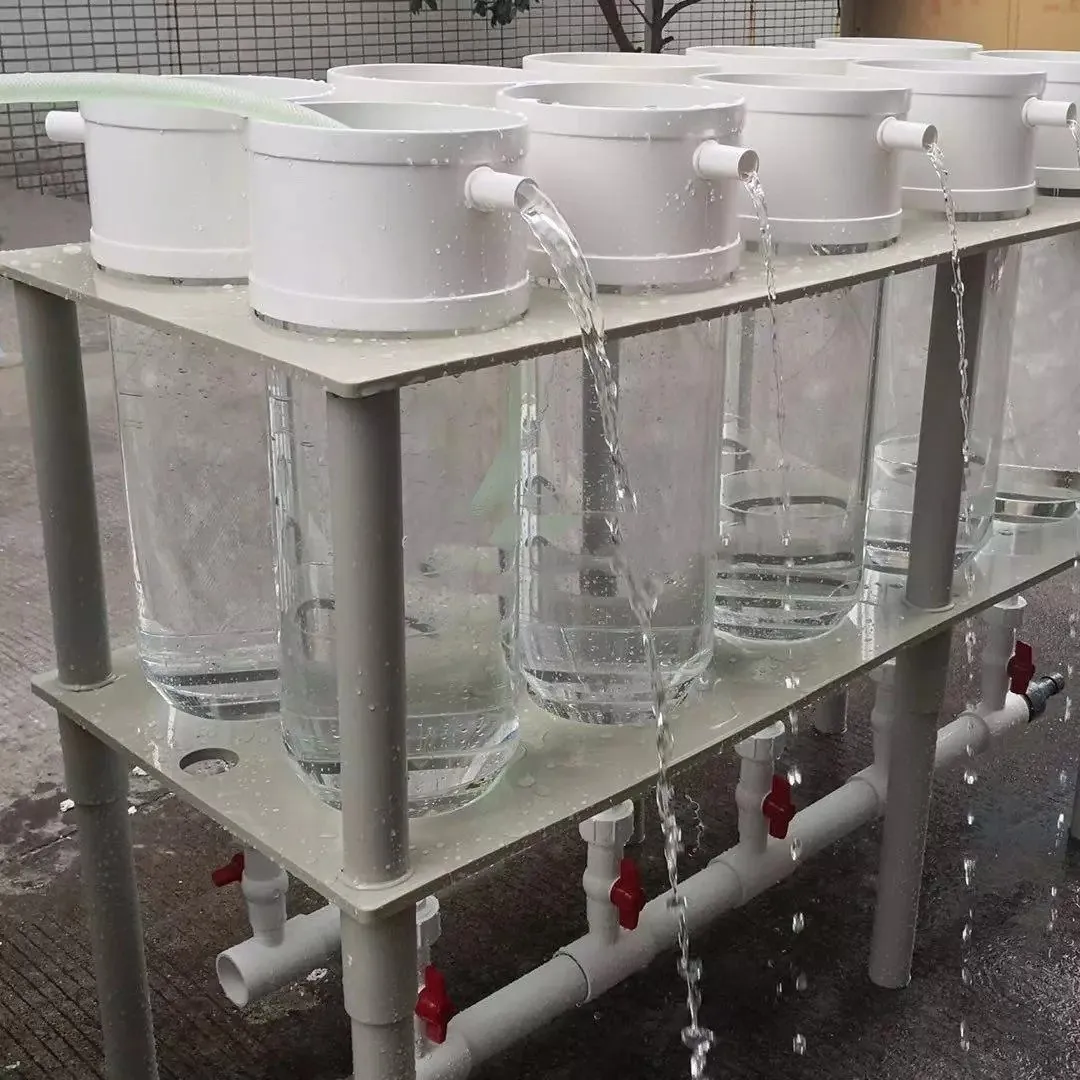
An upwelling fish egg incubator holds eggs in a continuous, oxygen-rich flow that keeps them gently tumbling so they don't smother or develop fungus. A built-in screen retains newly hatched fry, and the food-grade PP jar works with trout, salmon, sturgeon, catfish and tilapia. This fish hatchery equipment platform pairs with a full RAS loop for temperature-stable incubation.
15+ years in aquaculture engineering · Trusted by Japfa Group, Japan Nissui & Tropo Farms · Shipped worldwide in one container
Product Description
Egg incubator manufactured in acrylic glass, with a hemispherical bottom.
200 mm diameter. 500 mm in height. 12 liters (30,000 eggs)
Pipes in PVC, with valve type “spigot” 25 mm output for connecting hose of extraction of eggs.
Underside protected with rubber gasket
The standard version is supplied with 500 Micron mesh (ask for other measures)
Advantage:
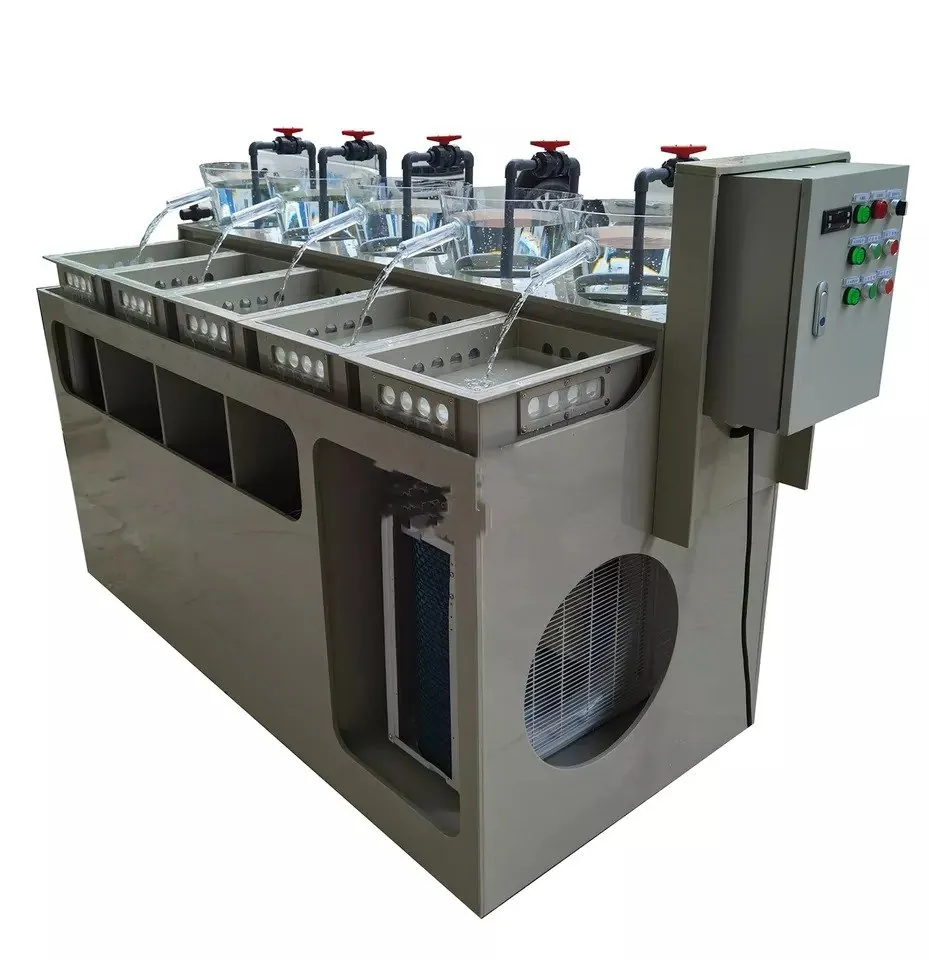
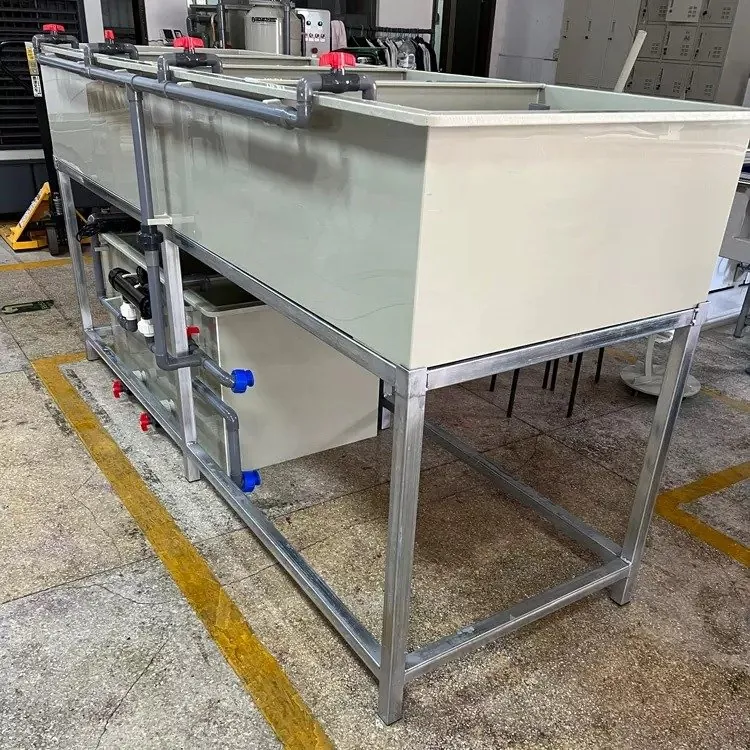
Hatchery and fingerling rearing with complete RAS based on the requirements of the local water
conditions. Water is permanently fed into the system from a local well. The system can be switched to RAS in case the water conditions are not optimal. The system was installed to
produce fish for the local market.
we have developed this system has, bio-filter+ UV, then there will be better to keep not too much
water exchange, then the 3.0PH heater can keep running in 24hours
Specifications
Capacities follow the industry McDonald-jar standard and vary by species and egg size — final specifications are confirmed by SIGMA's production line per project.
| Model | Capacity | Typical use | Core configuration |
|---|---|---|---|
| SIGMA-HJ-8 | 20,000–60,000 eggs (up to ~100,000 small trout eggs) | Hatching jar (McDonald jar), ~8 L | Upwelling · 2–4 L/min |
| SIGMA-HJ-6set | 120,000–360,000 eggs | 6-jar rack with sedimentation/filter tank | Plug-and-play manifold |
| SIGMA-HC-M | Custom by cone diameter | Conical hatching tank (PP) | Gravity upwelling |
| SIGMA-HC-RAS | Sized per hatchery | RAS hatchery system — cones + biofilter + UV + heater | Closed-loop, temperature-stable |
| Working principle | Upwelling flow — water rises through the egg mass, keeping eggs suspended and gently tumbling |
|---|---|
| Material | Food-grade PP — leak-proof, corrosion- and crack-resistant, high strength |
| Fry retention | Built-in screen retains newly hatched fry; cone bottom simplifies fry collection and discharge |
| Water type | Freshwater / saltwater |
| Species | Trout, salmon, sturgeon, catfish, tilapia and many others |
| System pairing | Sedimentation/filter tank, biofilter, UV sterilizer and heater for a full RAS hatchery |
| Options | Aeration, custom cone diameters, PLC integration |
System composition
Eggs stay suspended in oxygen-rich flow, so they neither smother nor fungus over — maximising hatch rate.
Newly hatched fry cannot escape, and the conical bottom makes collection fast and gentle.
Leak-proof, corrosion- and crack-resistant, with simple inlet/outlet connections into a RAS or flow-through hatchery.
Multi-jar manifolds with a sedimentation/filter tank are delivered as one working set.
Add biofilter, UV and heating for temperature-stable, biosecure incubation.
The same incubator serves trout, salmon, sturgeon, catfish and tilapia.
Supplementary aeration supports dissolved oxygen and water movement during incubation.
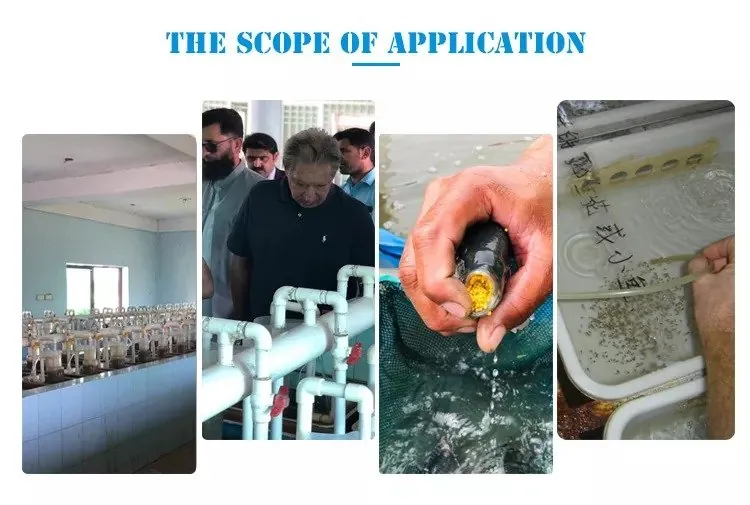
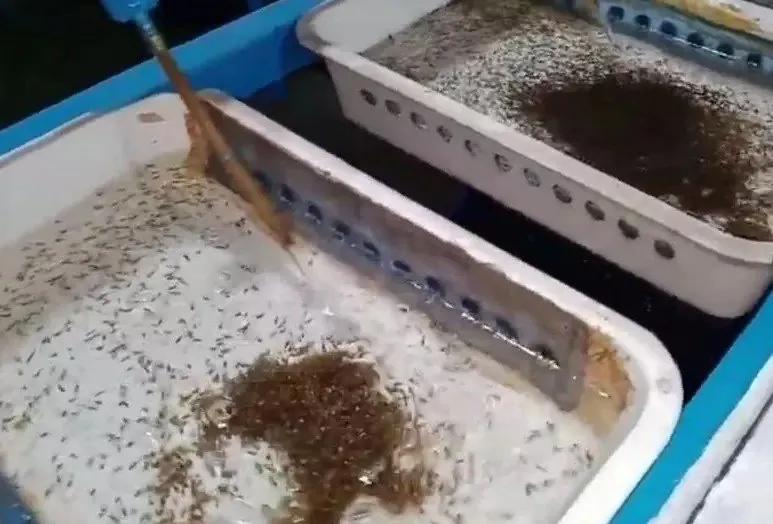
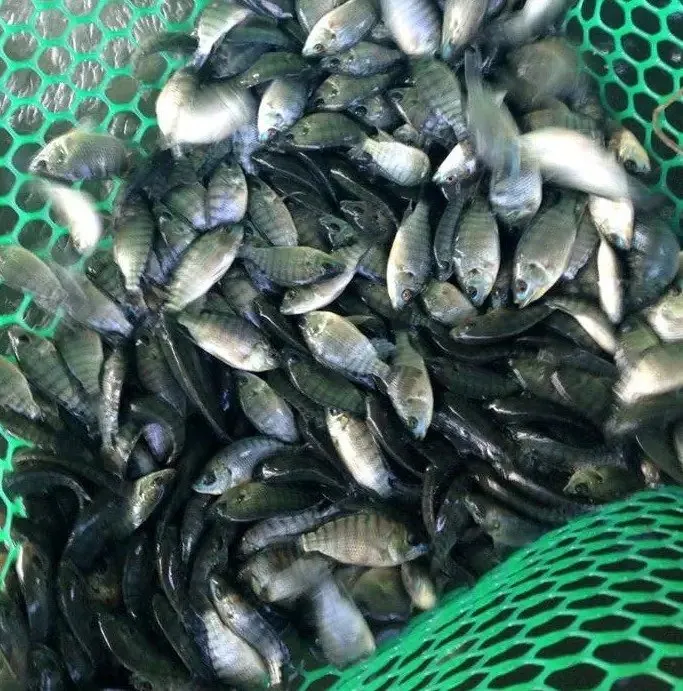
Application
FAQ
It works on upwelling flow — water enters at the bottom and rises through the egg mass, keeping the eggs suspended and gently tumbling so they don’t smother or fungus over.
A built-in screen retains the newly hatched fry while letting clean water flow through, and the large cone-shaped bottom makes it easy to collect and discharge fry.
Depending on species and egg size, a single jar holds roughly 20,000–60,000 eggs (up to ~100,000 for small trout eggs) on a flow of about 2–4 L/min.
The same platform serves trout, salmon, sturgeon, catfish, tilapia and many others, and can be built into a full RAS hatchery with a biofilter, UV sterilizer and heater. The same conical, upwelling principle is used in an artemia tank for hatching brine shrimp as live feed — ask us if you need a dedicated artemia incubator alongside your fish egg jars.
Built from food-grade PP, the units are leak-proof, corrosion- and crack-resistant, with simple inlet/outlet connections that drop straight into a RAS or flow-through hatchery.
Yes — a tilapia egg incubator is one of the most common applications. Tilapia eggs are mouthbrooded in nature, so in a hatchery setting they are stripped from brooding females and placed in an upwelling incubator jar where gentle tumbling prevents smothering and fungal infection. A tilapia egg tumbler (another name for the upwelling McDonald jar) holds 20,000–60,000 eggs at 2–4 L/min flow per jar, and multiple jars are run in a rack with a shared sedimentation tank. SIGMA's fish egg incubator tumbler for sale covers tilapia, catfish, sturgeon, trout and salmon in the same platform.
Beyond the incubator jar, a complete hatchery setup uses a fish hatchery net for separating newly hatched fry from the incubation vessel, fine-mesh nursery nets for early-stage grow-out tanks, and a sedimentation / filter tank to keep recirculating water clean. SIGMA can supply the full set — incubator jars, jar racks, sedimentation tanks and matched hatchery nets — as one package.
Same principle, larger scale. A hobby fish egg tumbler rolls a handful of eggs in a small aquarium cylinder; our hatchery jars use the identical upwelling flow but hold tens of thousands of eggs per jar and mount in racks, so a farm can run millions of eggs on one water loop.
Related equipment
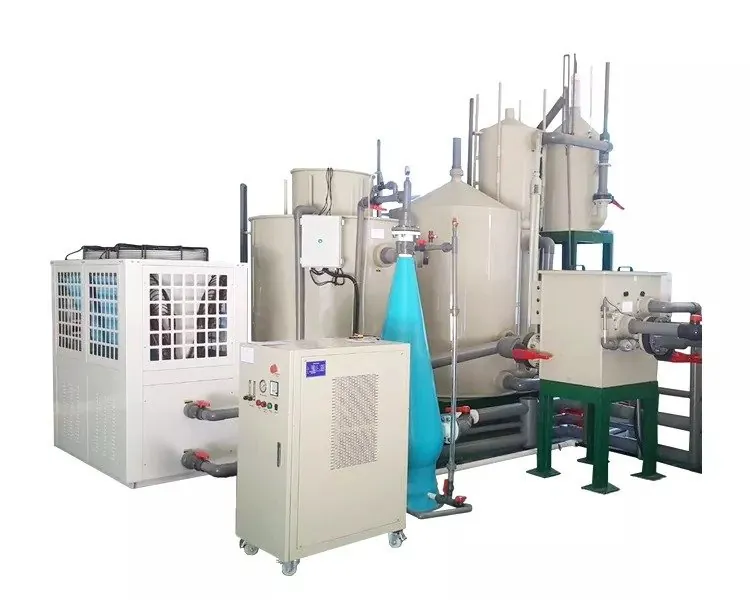
Complete recirculating aquaculture (RAS) systems: drum filters, biofilters, oxygen cones, pumps & monitoring. Custom-designed for your species & volume.
View details →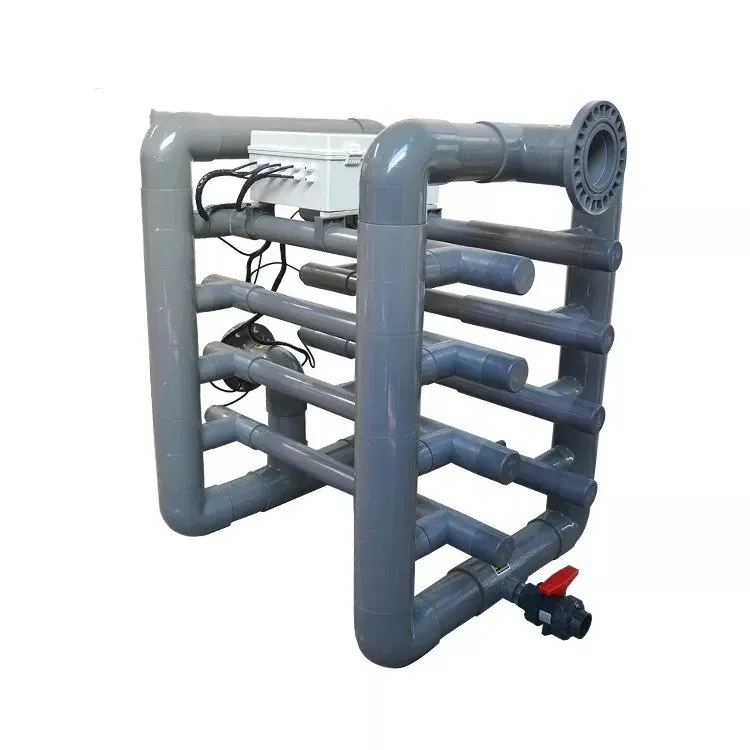
UV sterilizers for aquaculture & RAS — kill bacteria, parasites & algae spores, prevent disease without chemicals. Multiple flow rates, factory-direct from SIGMA.
View details →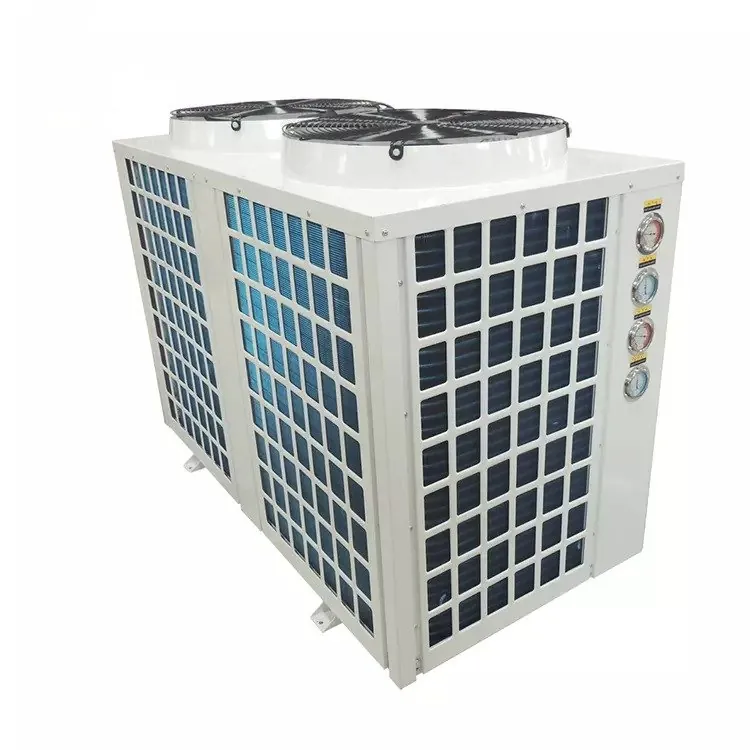
Heating systems & heat pumps for fish tanks, hatcheries & RAS — precise temperature control, energy-efficient, for warm-water species. Factory-direct from SIGMA.
View details →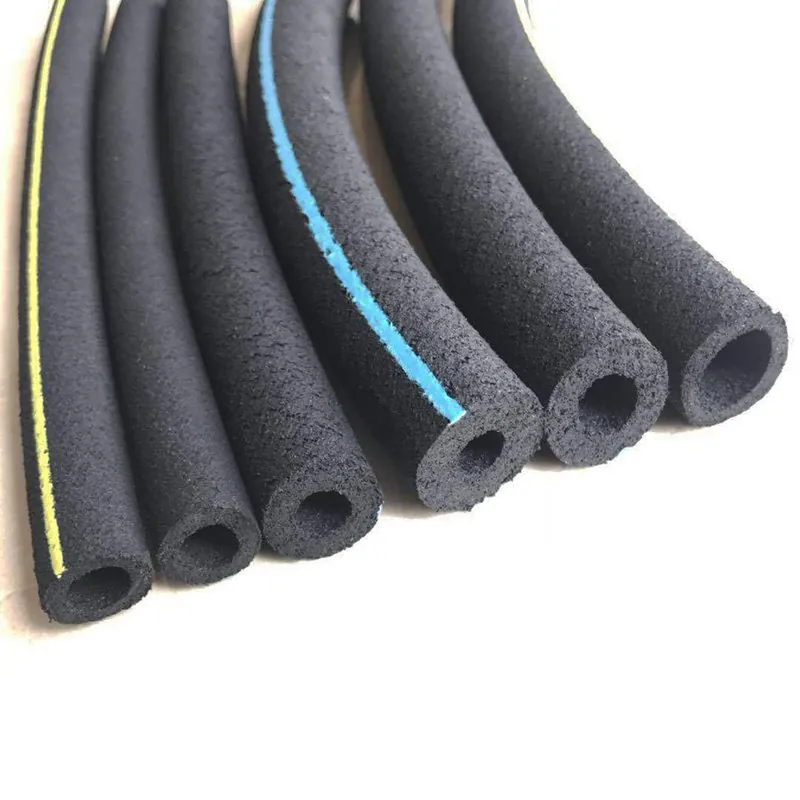
Micro/nano-bubble oxygen diffuser pipes & aeration hose for biofloc and pond fish farming — fine bubbles, high oxygen transfer, clog-resistant. Factory-direct.
View details →Tell us your species, target density and site — our engineers size the system and reply within one business day.