
Affordable, simple to run
No boiler and no cooking stage means a lower purchase price than an extruder line and far less to go wrong on a working farm.
Feed Processing Equipment
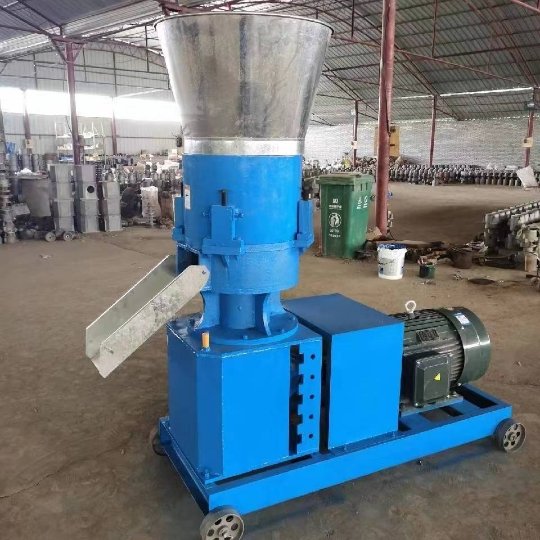
A flat-die fish feed pellet machine presses your own feed mix into uniform sinking pellets — no steam, no cooking stage, electric or diesel drive, die sizes matched to the species you raise.
15+ years in aquaculture engineering · Trusted by Japfa Group, Japan Nissui & Tropo Farms · Shipped worldwide in one container
A fish feed pellet machine — a flat-die fish feed pellet mill — presses a prepared feed mix through a perforated die, so a farm can make its own pellets from local ingredients instead of buying pre-made bags at whatever price the market sets that week. Rollers force the mash through the die holes and a cutter trims the strands to length; there is no steam boiler and no cooking stage, which is exactly why this type of fish pellet making machine is affordable to buy and simple to keep running on a working farm.
Pellets from a flat-die mill are sinking pellets — the right feed for shrimp, crab, carp and bottom-feeding species, and perfectly workable for tilapia and catfish that will take feed through the water column. Die hole diameter sets the pellet size, so one fish feed pelletizer covers fingerling through grow-out sizes just by swapping the die. Output ranges from tens of kilos an hour on a single-farm unit up to several hundred kg/h on a larger frame; SIGMA confirms the exact output and die set for your species and batch size before shipment.
Drive is your choice: an electric motor where mains power is stable, or a diesel engine for sites off the grid — a common request on pond farms. If your species genuinely needs a floating pellet, that requires extrusion rather than flat-die pressing, which is a different and considerably more expensive class of machine; tell us the species and we will quote the right one instead of selling you the wrong tool.
Specifications
Output depends on the frame size, die and how the mix is prepared — SIGMA confirms the capacity and die set for your species before shipment.
| Process | Flat-die pressing - rollers force the prepared mash through a perforated die, a cutter sets pellet length |
|---|---|
| Pellet type | Sinking pellets (a floating pellet needs extrusion, which is a different machine) |
| Pellet size | Set by die hole diameter; dies are interchangeable for fingerling through grow-out sizes |
| Drive | Electric motor where mains power is stable, or a diesel engine for off-grid pond sites |
| Feed mix | Runs on locally sourced ingredients - fishmeal, bran, soy, maize - ground and moisture-adjusted before pressing |
System composition
No boiler and no cooking stage means a lower purchase price than an extruder line and far less to go wrong on a working farm.
Swap the die and the same fish feed pellet mill covers fingerling feed through grow-out pellets for carp, shrimp and catfish.
Press locally sourced fishmeal, bran, soy and maize into feed instead of paying market price for bagged product every week.
Diesel drive keeps the fish pellet making machine working on pond sites with no reliable mains supply.
Application
Gallery
FAQ
No — a flat-die fish pellet machine makes sinking pellets. A floating fish feed machine is by definition a fish extruder machine: it cooks the mix under heat and pressure and costs considerably more. Tell us the species you raise and we will advise which one you actually need.
Output runs from tens of kilos an hour on a single-farm frame up to several hundred kg/h on a larger one, and also depends on the die and how finely the mix is ground. We confirm the figure for your setup before shipment rather than quoting a headline number.
Locally sourced ingredients — fishmeal, rice bran, soy meal, maize — ground to a suitable particle size and moisture-adjusted. A consistent mix is what gives a consistent, water-stable pellet.
Yes — dies are interchangeable. Hole diameter sets pellet diameter, so the same fish feed pelletizer produces small fingerling feed and larger grow-out pellets.
Electric where mains power is stable; diesel where it isn't. Pond farms away from a reliable grid usually take the diesel version so feed production never stops with the power.
Related equipment
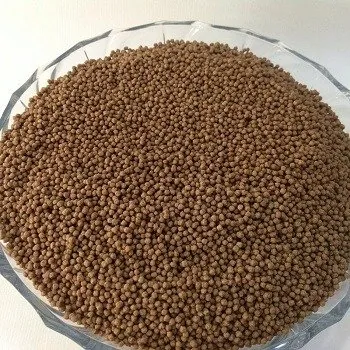
High-protein floating & sinking feed for tilapia, shrimp & carp — optimized FCR, stable in water, full size range. Bulk aquafeed supply from SIGMA.
View details →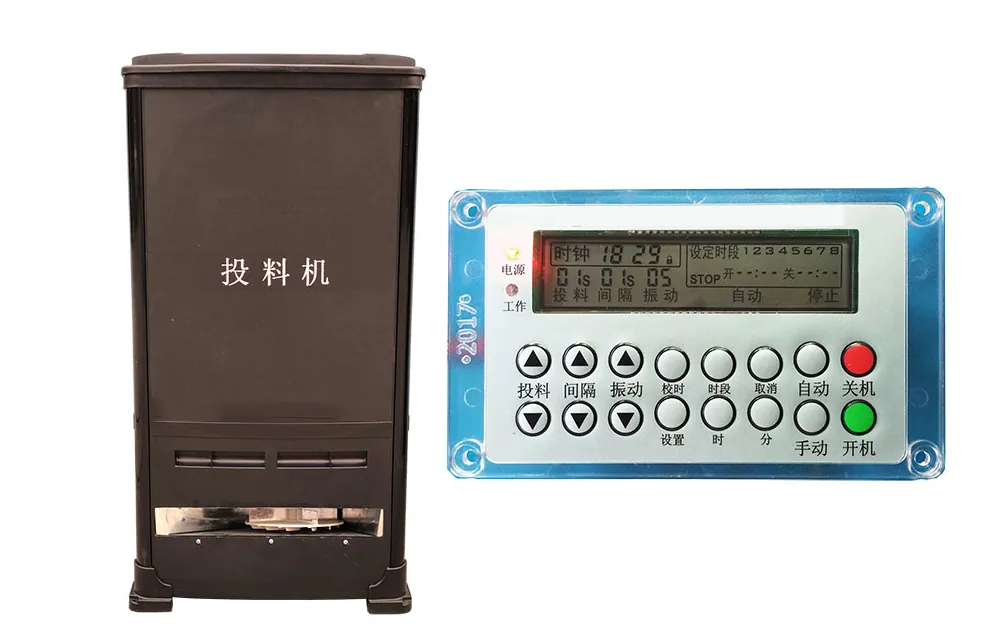
Automatic & smart fish-feeding machines for ponds, cages & RAS — programmable timing, even broadcast, saves labor & feed. Multiple capacities from SIGMA.
View details →Tell us your species, target density and site — our engineers size the system and reply within one business day.