
Very high specific surface
From 500–800 m²/m³ wheel carriers up to >5,500 m²/m³ structured chips — more nitrifying bacteria per cubic metre of reactor.
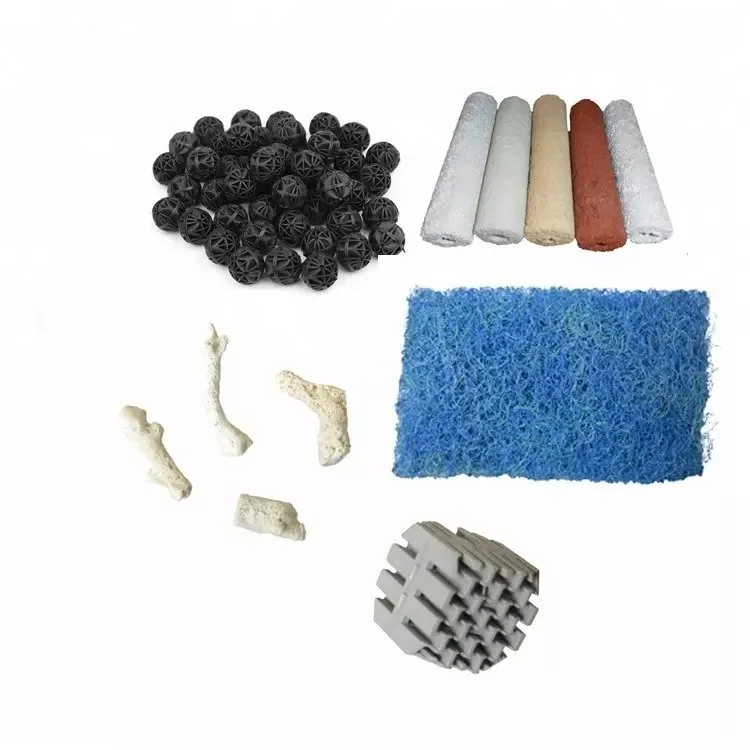
MBBR K1/K3/K5 bio media, bio balls and ceramic rings give nitrifying bacteria a large, protected surface to colonise inside your biofilter or moving-bed reactor. Made from 100% virgin HDPE, the media work in fresh and salt water and last indefinitely.
15+ years in aquaculture engineering · Trusted by Japfa Group, Japan Nissui & Tropo Farms · Shipped worldwide in one container
Product Description
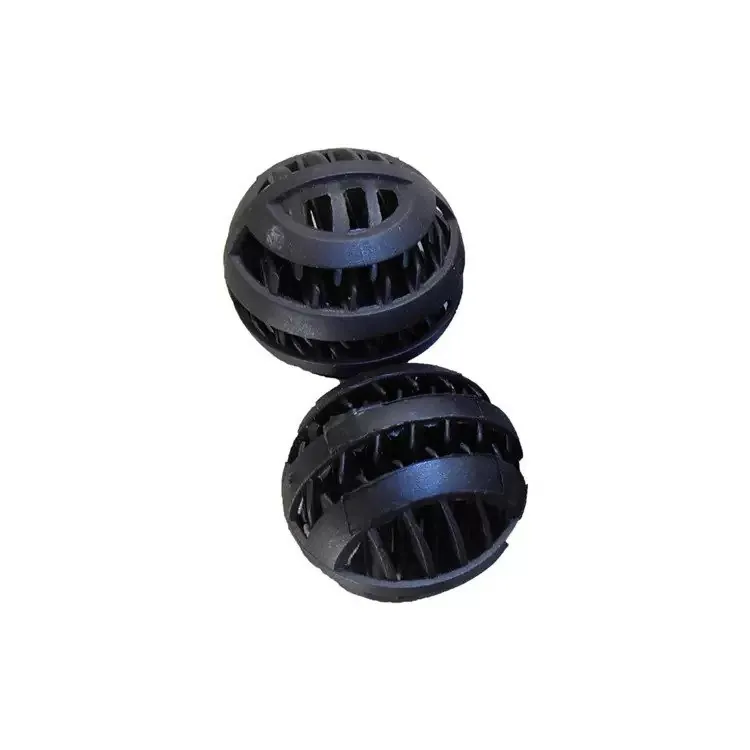
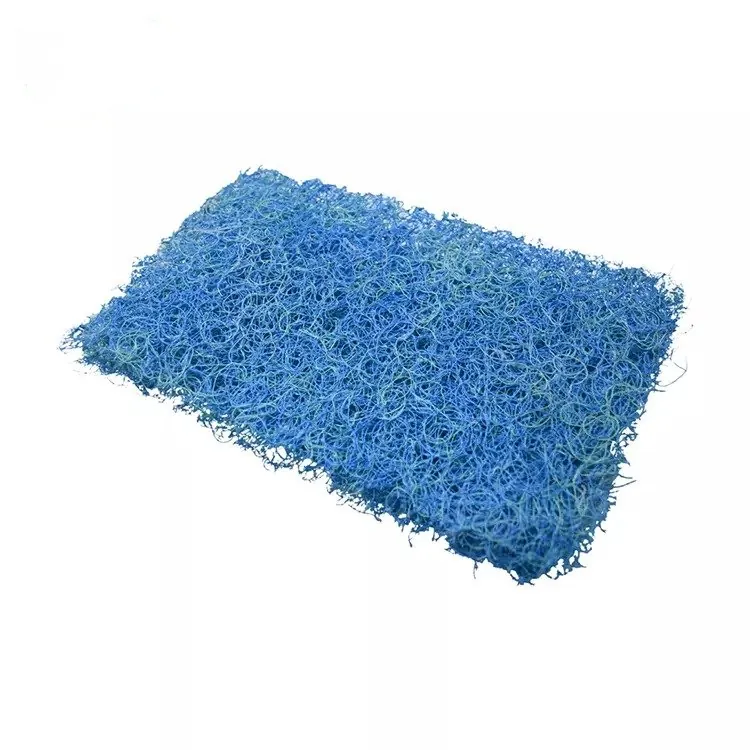
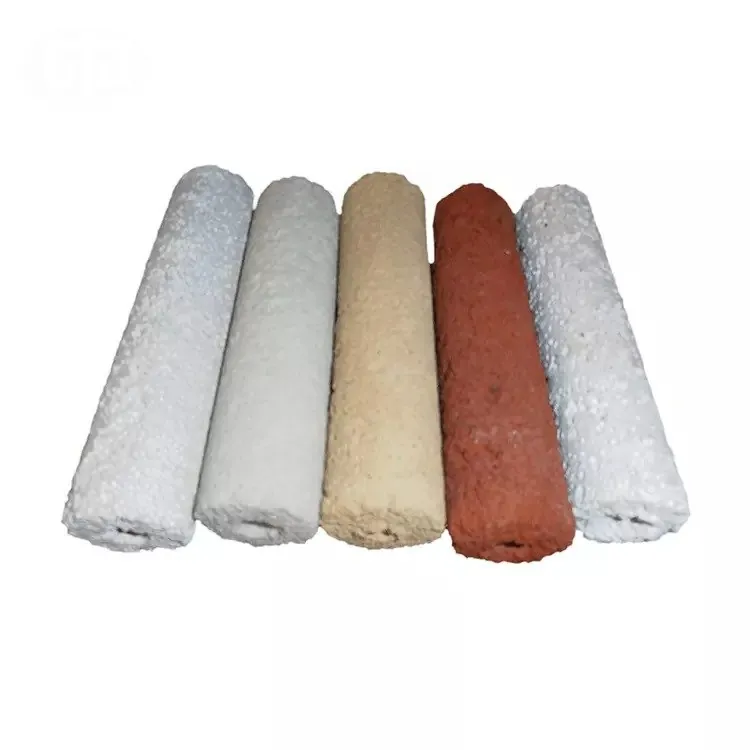
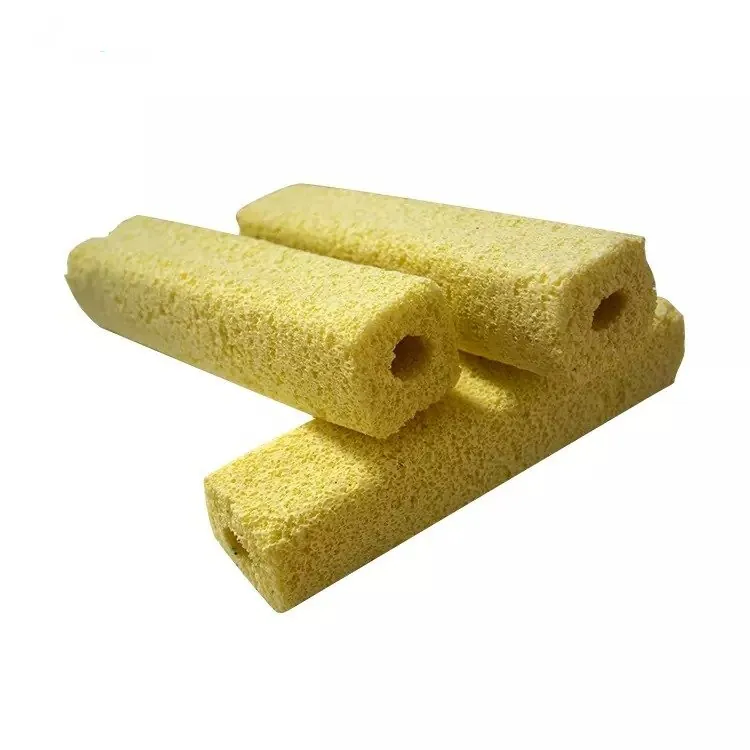
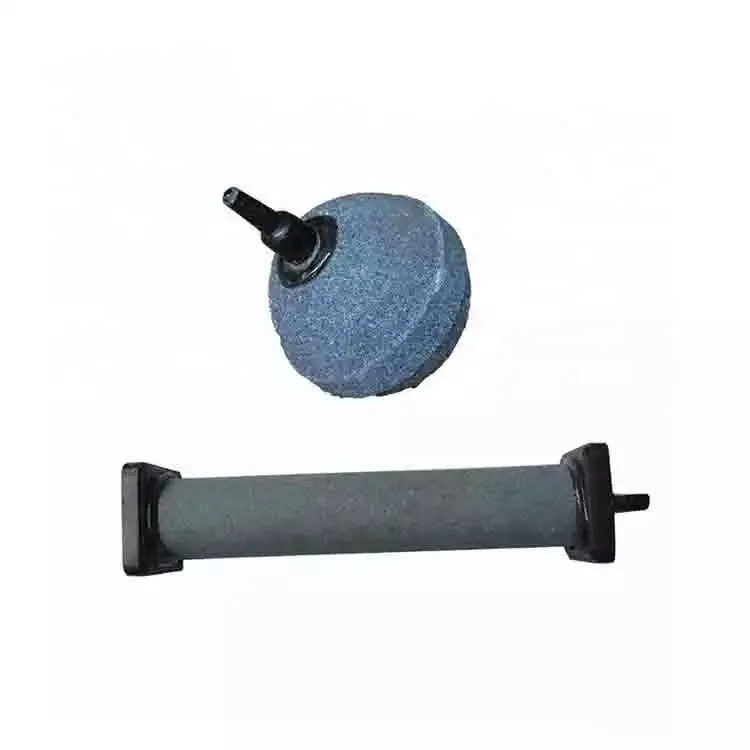
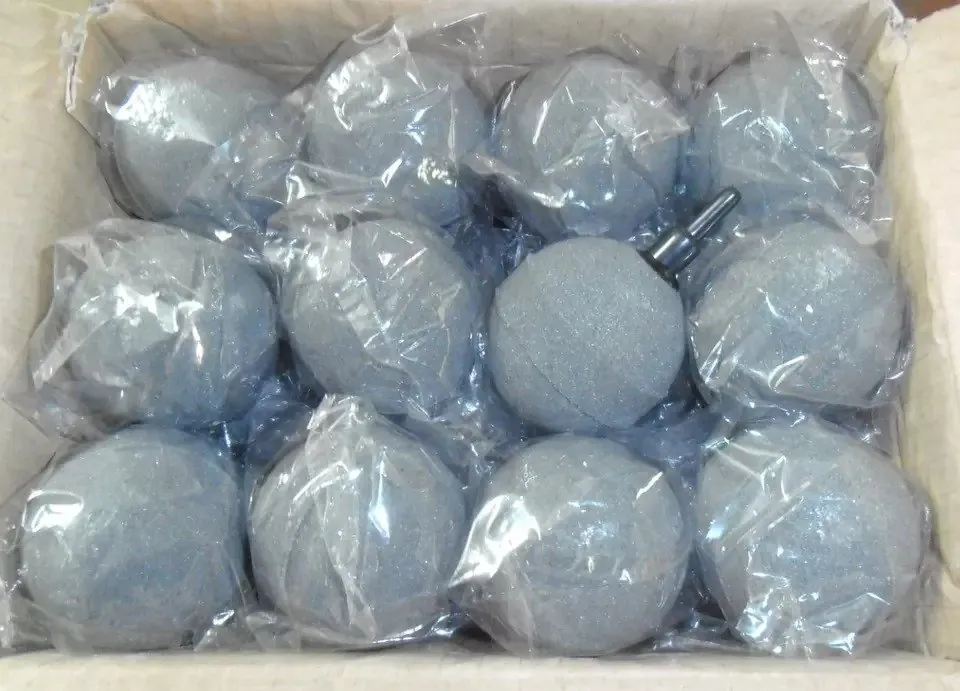
the biochemical ball is the use of advanced non-toxic plastic PP artificial processed into bio-filter balls porous structure, multi-sheet structure, mesh structure inside the porous adsorption nitrifying bacteria and settings, highly conducive to oxidation the role of oxygen in the convection exchange, but also for the denitrifying bacteria, breeding provides a huge surface area of biochemical growth.
Advantage:
Specifications
Sizes and surface areas reflect standard industry grades — final specifications are confirmed by SIGMA's production line per order.
| Model | Capacity | Typical use | Core configuration |
|---|---|---|---|
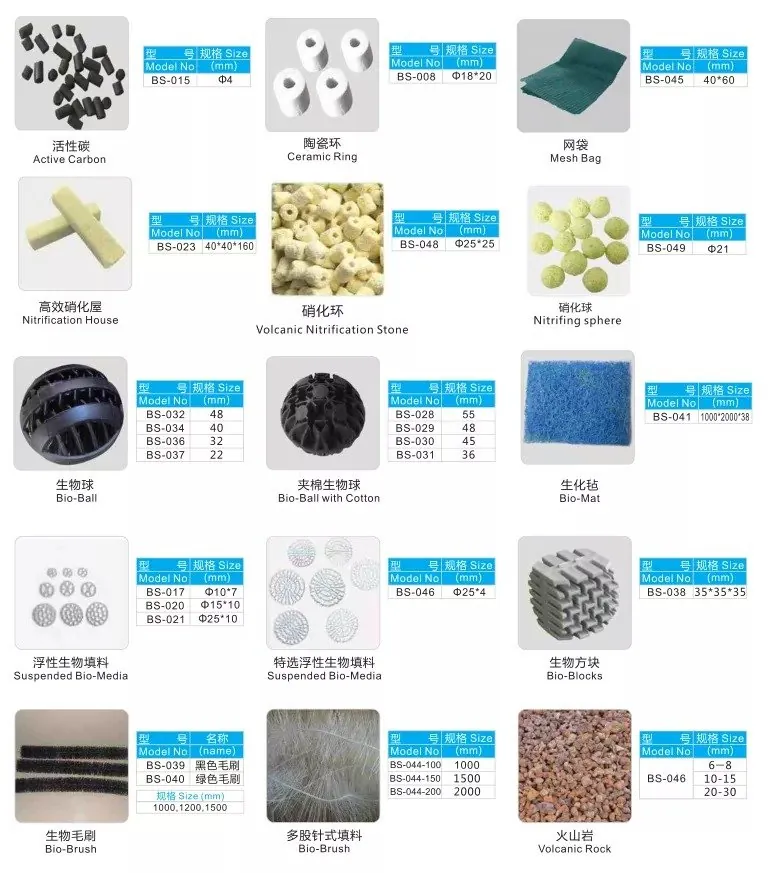
| SIGMA-K1 Inquire → | Φ10 × 7 mm | MBBR floating carrier | ~500–600 m²/m³ surface area |
| SIGMA-K3 Inquire → | Φ25 × 10 mm | MBBR floating carrier | ~500 m²/m³ surface area |
| SIGMA-K5 Inquire → | Φ25 × 4 mm | MBBR floating carrier | ~800 m²/m³ surface area |
| SIGMA-CHIP Inquire → | Chip / sheet | Structured bio chip | >5,500 m²/m³ surface area |
| SIGMA-BALL Inquire → | Φ30–50 mm | Bio ball (fixed bed) | Medium surface area |
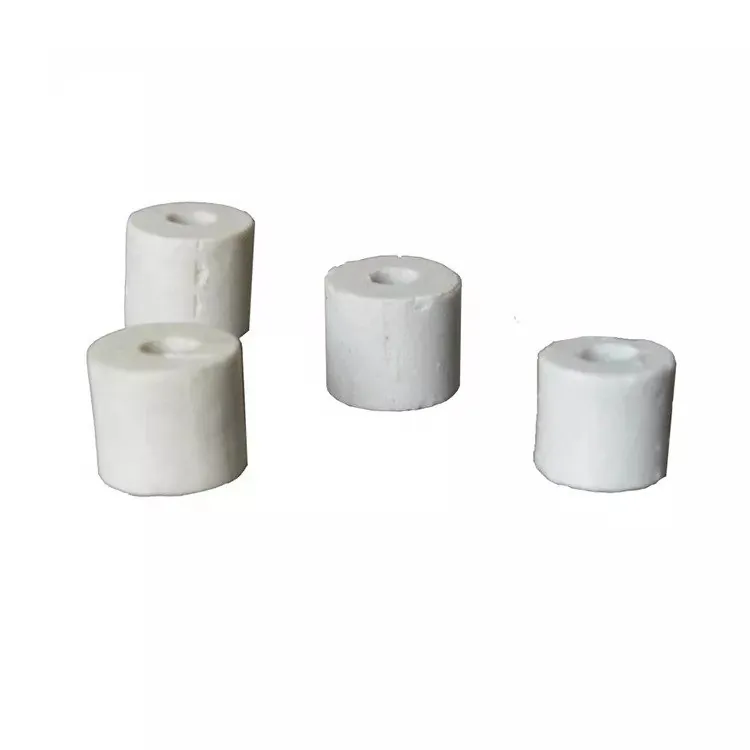
| SIGMA-RING Inquire → | Φ10–25 mm | Ceramic bio ring | High surface area (porous) |
| Material | 100% virgin HDPE / PP (floating types) · sintered ceramic (ring types) |
|---|---|
| Specific surface area | 500–800 m²/m³ (wheel types) up to >5,500 m²/m³ (structured chip types) |
| Filter compatibility | Moving-bed MBBR / fluidized bed (K1/K3/K5) · fixed bed, trickling tower and pond filters (bio balls, ceramic rings) |
| Water type | Freshwater / saltwater |
| Packing | By m³ / ton / bag (bulk bags) |
| Options | Different K grades, pre-seeded / pre-matured media, media retention screens |
System composition
From 500–800 m²/m³ wheel carriers up to >5,500 m²/m³ structured chips — more nitrifying bacteria per cubic metre of reactor.
K1/K3/K5 MBBR media for moving beds plus bio balls and ceramic rings for fixed-bed and trickling filters.
Chemically stable in fresh and salt water, with a long service life.
Constant tumbling keeps the biofilm thin and active for stable nitrification.
Format and surface area matched to the biofilter type and the farm's ammonia load.
Shared with the water-treatment industry — stable pricing at volume.
Application
Video
FAQ
High-surface-area media give nitrifying bacteria a large protected surface to colonise, forming a biofilm that converts toxic ammonia and nitrite into far less harmful nitrate inside your biofilter, moving-bed reactor or trickling filter.
MBBR media (K1/K3/K5) are small floating HDPE carriers that tumble freely in a moving-bed reactor, keeping the biofilm thin and active. Bio balls and ceramic bio rings are fixed-bed media for trickling filters, sumps and pond filters.
Protected surface area is typically 500–800 m²/m³ for wheel types, up to >5,500 m²/m³ for chip/structured types.
Media are made from 100% virgin HDPE (or sintered ceramic for ring types), chemically stable, durable, reusable, and work in both fresh and sea water. Bulk bio filter media is priced and packed by volume — buying by the m³ or ton keeps the cost per litre of biofilter capacity down versus small retail bags, so cheap bio filter media from SIGMA isn't lower grade, just a larger order size.
Pond bio filter media is the plastic or ceramic substrate that gives nitrifying bacteria a protected surface to colonise inside a biofilter or settling chamber. SIGMA supplies K1/K3/K5 MBBR carriers, bio balls and ceramic bio ring filter media as pond bio filter media — the same biological filter media for ponds that is used in koi filters and aquaculture biofilters alike. Media are selected by surface area and the type of filter: floating K-media for moving-bed reactors, and bio balls or ceramic rings for fixed-bed or trickling pond filters.
Bio balls are a fixed-bed filter media — hollow plastic spheres with a textured internal surface — used to fill pond filter and sump biological chambers. They work well as bio filter balls for smaller and mid-size ponds where a moving-bed reactor isn't needed. SIGMA supplies bio balls for pond filters alongside K1/K3/K5 MBBR carriers and ceramic bio ring filter media.
MBBR filter media, also called MBBR bio media, is the floating plastic carrier that tumbles inside a moving-bed reactor. SIGMA supplies K1 bio filter media (K1 mbbr media, used as a K1 moving bed filter carrier) and the larger K3 bio filter media grade, sized by surface area to your bioload — the same media works as filter mbbr fill for a new build or as a top-up for an existing media filter mbbr tank.
Related equipment
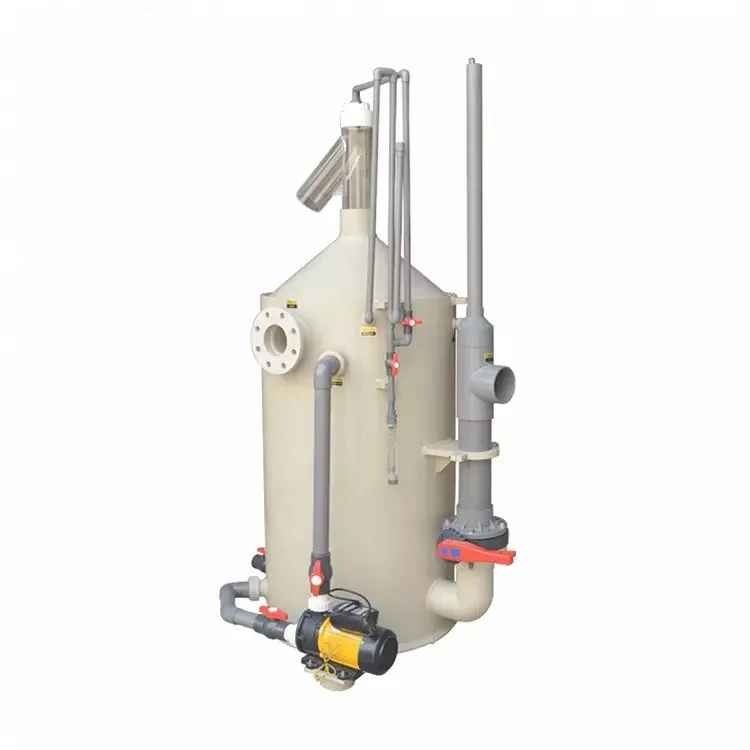
Moving-bed & media biofilters for RAS and aquaculture — high surface-area media, stable nitrification, removes ammonia. Factory-direct from SIGMA.
View details →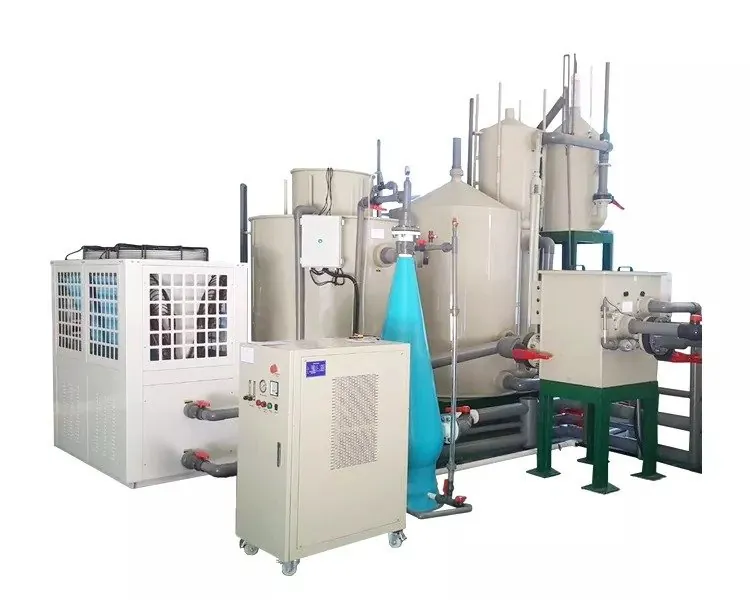
Complete recirculating aquaculture (RAS) systems: drum filters, biofilters, oxygen cones, pumps & monitoring. Custom-designed for your species & volume.
View details →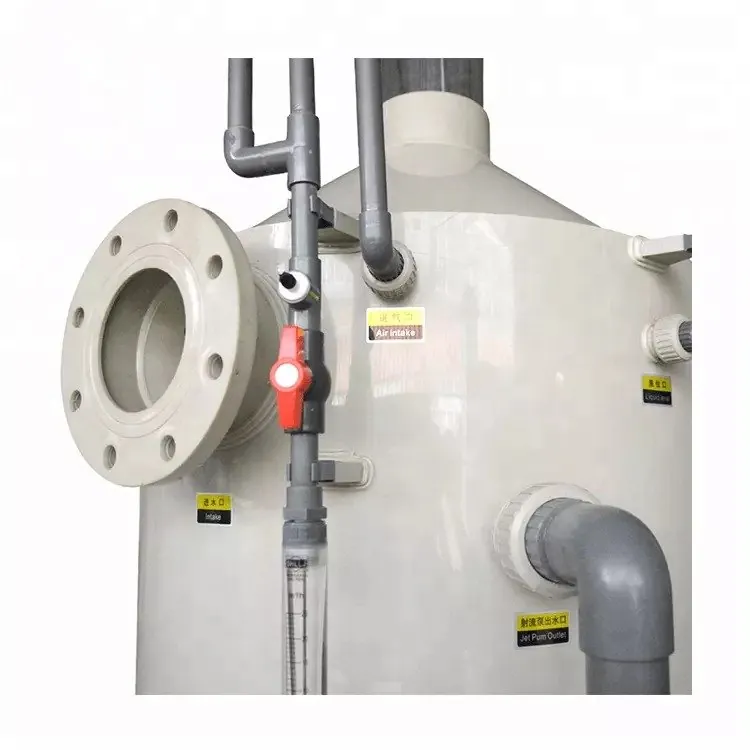
Industrial protein skimmers / foam fractionators for RAS & marine aquaculture — removes dissolved organics, improves water clarity & oxygen. Factory-direct.
View details →
Self-cleaning rotary drum filters for RAS & aquaculture — automatic solids removal, multiple flow rates & micron options. Factory-direct from SIGMA.
View details →Tell us your species, target density and site — our engineers size the system and reply within one business day.