
The nitrification core
Efficient removal of ammonia and nitrite sustains high stocking density and low water exchange in any RAS.
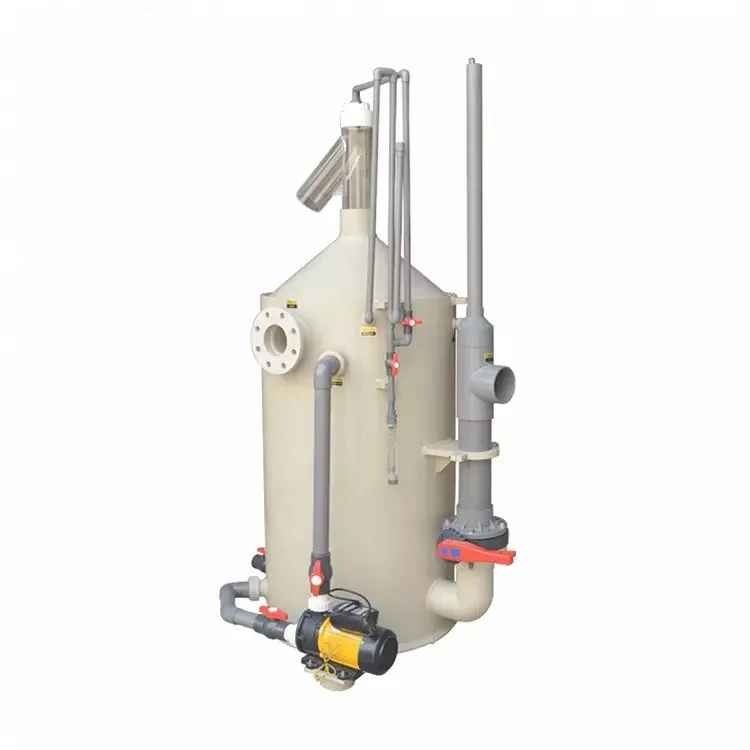
Nitrifying bacteria convert toxic ammonia and nitrite into harmless nitrate inside this aquaculture biofilter, choosing from moving-bed MBBR, fluidized coral-sand bed or trickling type to match your farm's feed load and species. Compact, low-power, and ready for fresh or salt water.
15+ years in aquaculture engineering · Trusted by Japfa Group, Japan Nissui & Tropo Farms · Shipped worldwide in one container
Product Description
The first step in setting up a healthy aquarium is to establish a biological filter. A biological filter is a natural filtering system consisting of helpful bacterial colonies that, through a cycling process, convert pollutants in water to harmless nitrate. Nitrate is nitrogen, therefore this cycling process is also referred to as the nitrogen cycle, or cycling a tank.
Advantage:
★Remove Ammonia/Nitrogen, Nitrite, Nitrate, and Thiocyanogen in aquaculture water.
★Combining the advantages of trickling filter and activated sludge process, highly concentrated biological film with high treatment efficiency. The ammonia nitrogen conversion rate can be improved 2-4 times.
★Have double function as a biological filter and mechanical filter. And at the same time, it has functions of
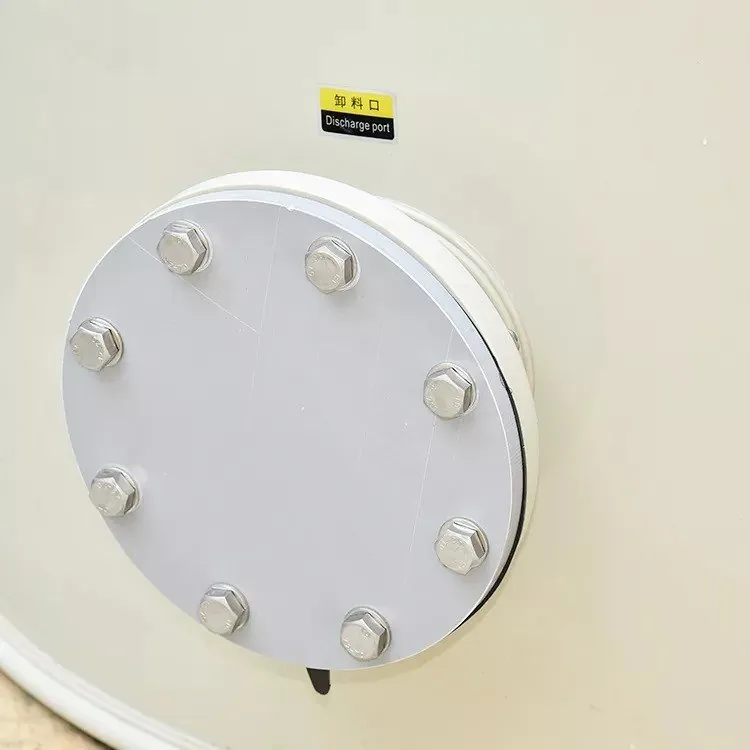
backwashing, large particles discharge, and emptying.
★Compare with another biological filter, the size is smaller, with less land occupation.
★Special design for recirculating aquaculture system.
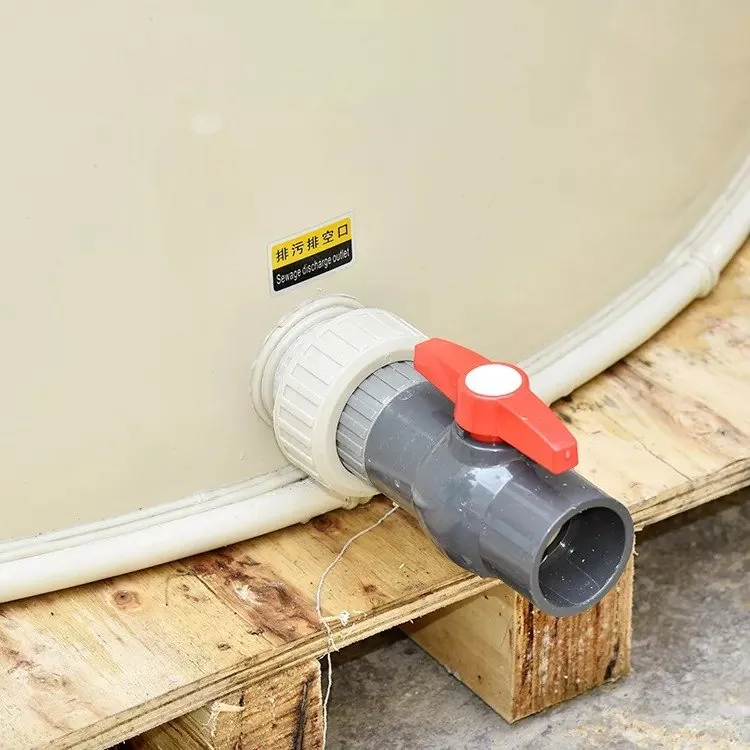
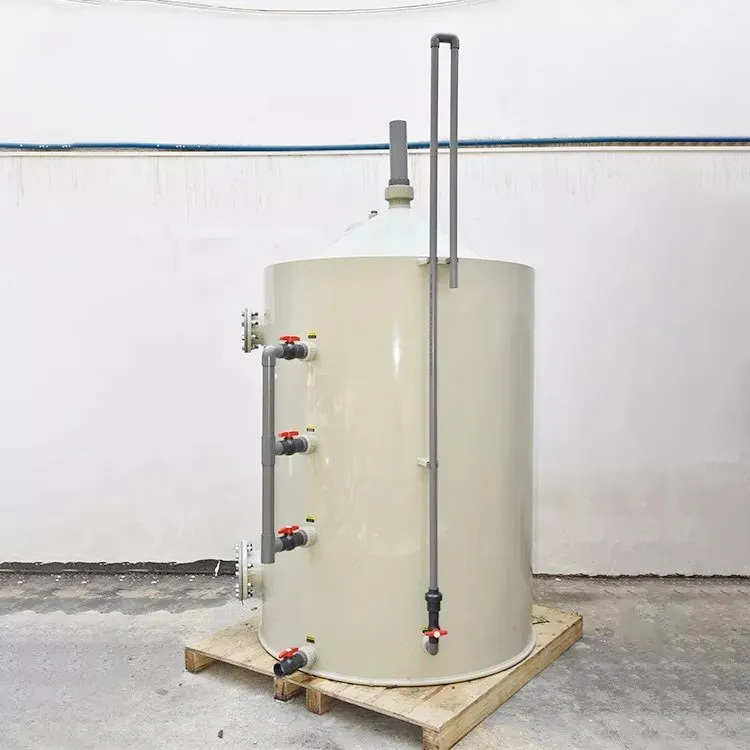
Specifications
Models and performance figures integrated from proven industry configurations — final specifications are confirmed by SIGMA's production line per project.
| Model | Capacity | Typical use | Core configuration |
|---|---|---|---|
| SIGMA-BF-MBBR-5 | 5 m³/h | Moving-bed bioreactor (MBBR) | K1 / K3 / K5 media |
| SIGMA-BF-MBBR-10 | 10 m³/h | Moving-bed bioreactor (MBBR) | K1 / K3 / K5 media |
| SIGMA-BF-MBBR-30 | 30 m³/h | Moving-bed bioreactor (MBBR) | K1 / K3 / K5 media |
| SIGMA-BF-FSB | Sized per farm | Fluidized sand-bed biofilter | Calcified coral sand media |
| SIGMA-BF-TRK | Sized per farm | Trickling + submerged biofilter | Structured media / bio balls |
| Filter media | K1/K3/K5 MBBR carriers · coral sand · bio balls · ceramic rings (see Filter Media) |
|---|---|
| Ammonia handling | Fluidized coral-sand bed: ~16 g NH₄ per kg of sand per 24 h (industry reference figure) |
| Specific surface area | Media-dependent: MBBR 500–5,500 m²/m³; coral sand 20,000–24,000 m²/m³ |
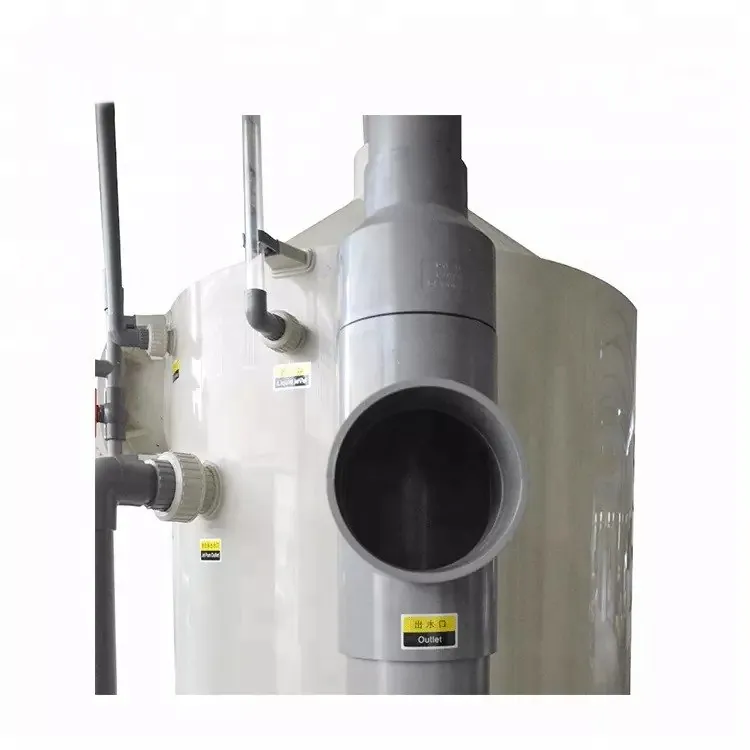
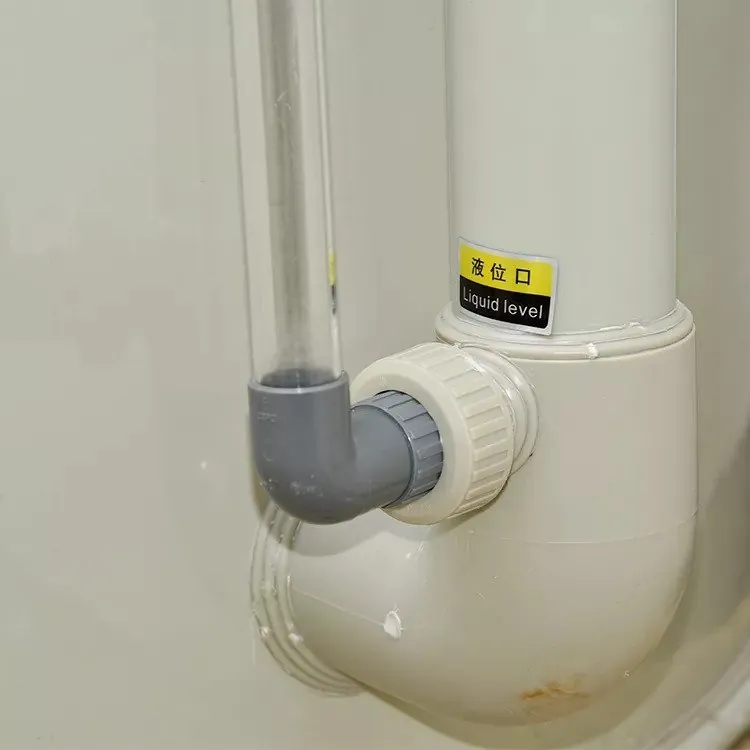
| Housing | LDPE / UPVC / PP / FRP with standard UPVC pipeline connections |
| Water type | Freshwater / saltwater |
| Aeration | Requires blower + diffuser aeration to fluidize moving-bed media |
| Options | Combined trickling/degassing stage, enlarged reactor, PLC integration |
System composition
Efficient removal of ammonia and nitrite sustains high stocking density and low water exchange in any RAS.
Moving bed bioreactor (MBBR), fluidized coral-sand bed or trickling/submerged type — selected by feed load and species.
Fluidized coral-sand beds reach 20,000–24,000 m²/m³, shrinking footprint and energy use versus a traditional bio-trough.
Tumbling carriers keep the biofilm thin and active, so the biofilter rarely needs manual maintenance.
LDPE/UPVC/PP bodies suit fresh and salt water, with standard pipeline connections for easy installation.
Biofilter, media and aeration blower can be delivered as one matched set.
Application
Video
FAQ
It houses a large population of nitrifying bacteria on high-surface media that convert toxic ammonia and nitrite into far less harmful nitrate, so fish stay healthy at high stocking density.
A moving-bed bioreactor (MBBR / fluidized bed) with K1/K3/K5 media, a fluidized sand-bed biofilter using calcified coral sand, and a trickling / submerged biofilter.
It is sized to the farm’s feed load and species. A fluidized coral-sand bed offers an enormous contact area (up to ~20,000–24,000 m²/m³) in a much smaller footprint than a traditional bio-trough.
Yes — it pairs with a Roots or regenerative blower and diffusers; the constant motion keeps the biofilm thin, active and self-cleaning.
A biofloc filter (biological filter applied to a biofloc system) is not always the primary treatment in biofloc — the floc itself provides biofiltration — but a dedicated biofilter is used in hybrid biofloc-RAS systems to handle peak ammonia loads and give more stable water chemistry. SIGMA's MBBR biofilter can be added to any biofloc tank system as a supplementary ammonia-control stage.
In a RAS loop the bio filter for RAS fish farming sits after mechanical filtration (drum or sand filter) and before UV sterilization, converting toxic ammonia into nitrate via nitrifying bacteria on high-surface-area media. SIGMA offers MBBR, fluidized coral-sand bed and trickling types, selected by feed load and species. It pairs with a roots blower for aeration and plugs into SIGMA's complete RAS chain.
A moving bed bioreactor is a biofilter design where free-floating plastic carriers tumble continuously in an aerated tank, giving nitrifying bacteria a huge, self-cleaning surface to colonise. It is the most common aquaculture biofilter design today because it needs no backwash and handles feed-load swings well — a fluidized coral-sand bed or a ceramic ring filter bed are the fixed-media alternatives for smaller or lower-budget systems.
Related equipment
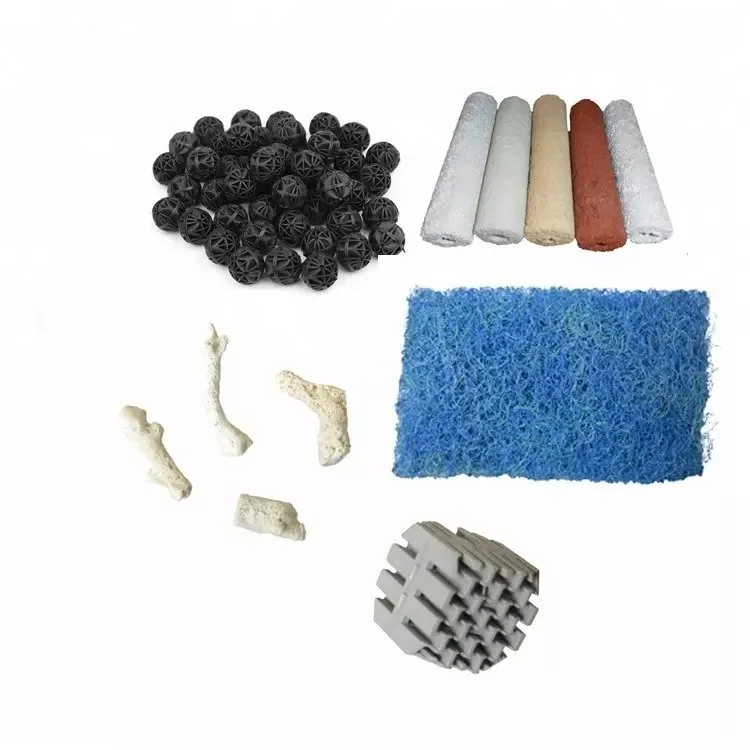
High-surface-area bio filter media (MBBR carriers, bio-balls) for RAS & aquaculture biofilters — fast nitrification, durable. Bulk supply from SIGMA.
View details →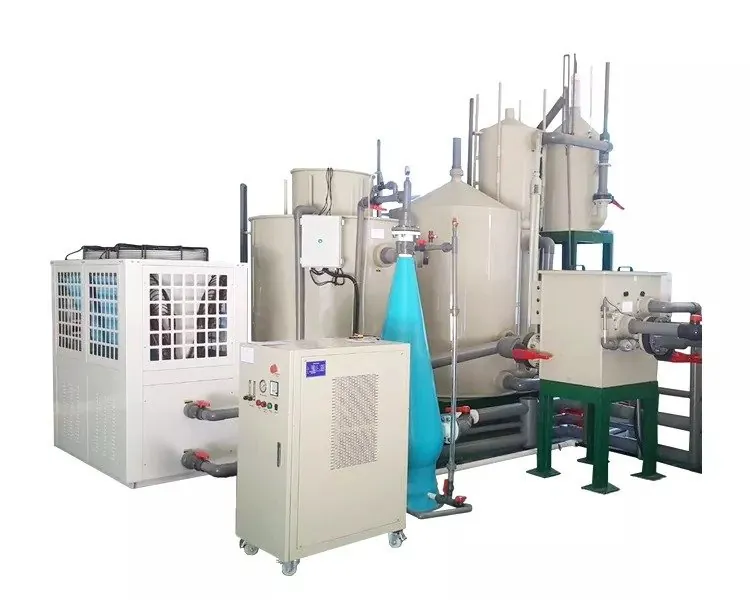
Complete recirculating aquaculture (RAS) systems: drum filters, biofilters, oxygen cones, pumps & monitoring. Custom-designed for your species & volume.
View details →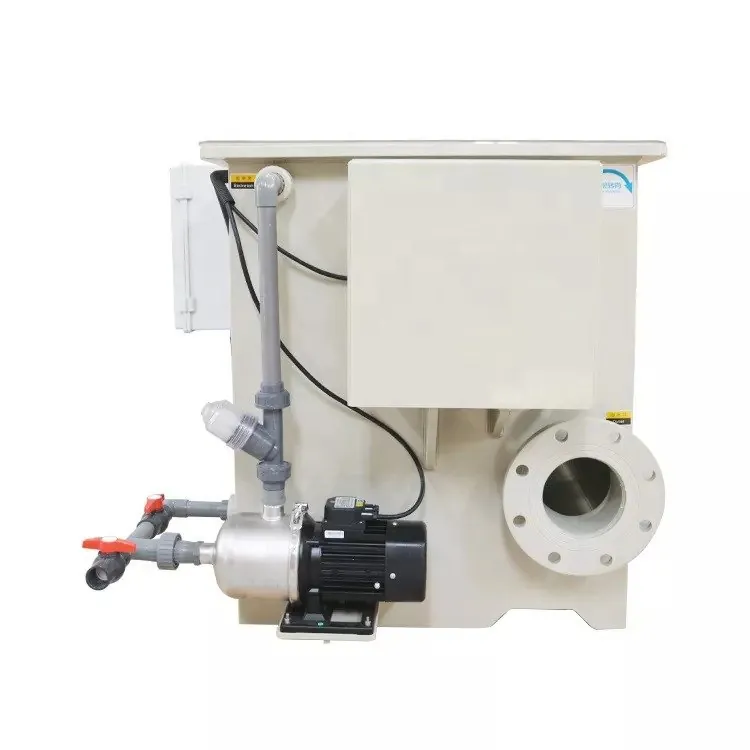
Self-cleaning rotary drum filters for RAS & aquaculture — automatic solids removal, multiple flow rates & micron options. Factory-direct from SIGMA.
View details →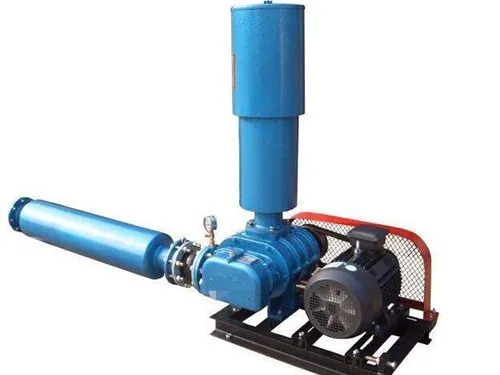
High-efficiency roots blowers for biofloc, RAS & pond aeration. Direct-from-factory pricing, multiple capacities, worldwide export from SIGMA.
View details →Tell us your species, target density and site — our engineers size the system and reply within one business day.