Application solution
RAS Recirculating Aquaculture System Equipment
Every stage of a closed-loop RAS line — mechanical, biological, oxygenation and disinfection.
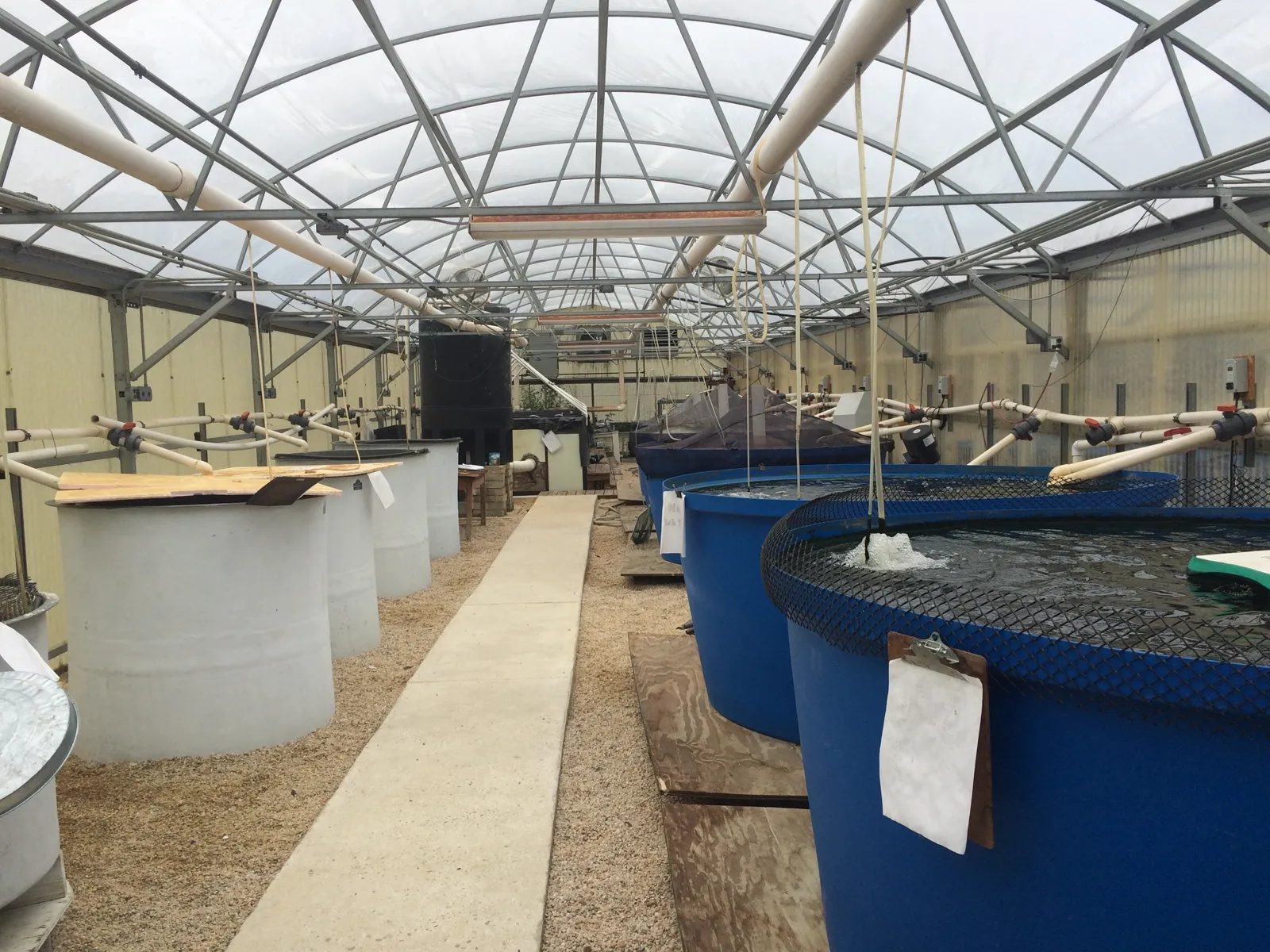
A recirculating aquaculture system (RAS) reuses the same water by cleaning it in stages: solids are removed mechanically, a biofilter converts toxic ammonia into nitrate, the water is re-oxygenated and disinfected, then returned to the tank. This lets farms run at high density on a small water footprint, indoors and year-round.
Because the stages run in series, a RAS is only as reliable as its weakest link. SIGMA supplies each component — and the complete system — so the mechanical, biological, oxygenation and sterilization steps are matched to one another.
How it works
How a recirculating aquaculture system works
A recirculating aquaculture system (RAS) is a closed-loop fish-farming setup that treats and reuses the same water continuously. Each pass cycles the water through four stages — mechanical solids removal, biological ammonia conversion, oxygenation and disinfection — so a RAS can stock at high density indoors, year-round, on a fraction of the water a pond uses.
The order matters. A rotary drum filter strips suspended solids first, because solids would otherwise smother the biological filter that turns ammonia into nitrate. A protein skimmer pulls fine dissolved organics, a UV sterilizer knocks down free pathogens, and a dissolved oxygen cone injects pure oxygen before the water returns to the fish.
Holding all of it together is measurement: a multi-parameter water quality meter tracks dissolved oxygen, ammonia, pH and temperature so the loop is tuned before fish are stressed. RAS is the backbone of indoor sturgeon farming and a common polishing stage for biofloc systems; the reuse principles are covered in biofloc water reuse.
Build
System components
Complete RAS system
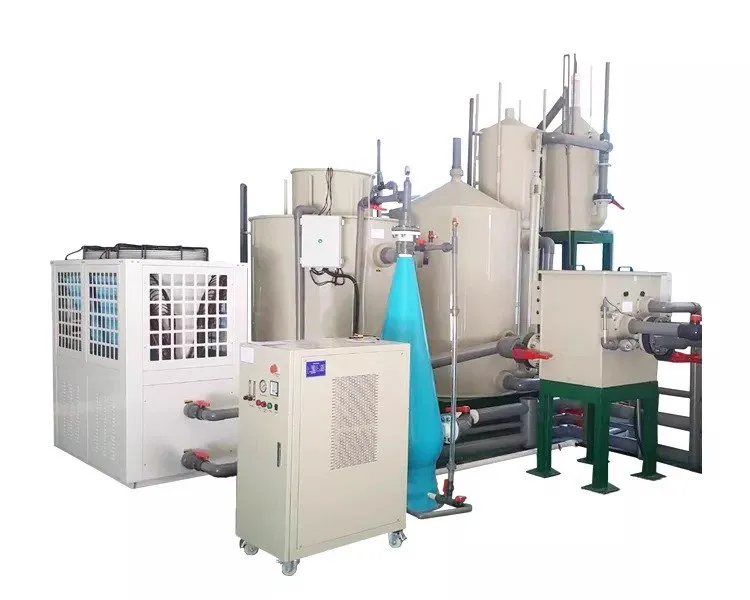
The recirculating aquaculture system ties the stages into one matched loop with the right pump head, flow rate and turnover for your tank volume. Specifying the whole system together avoids the classic mistake of bolting mismatched components onto an undersized pump.
Rotary drum filter
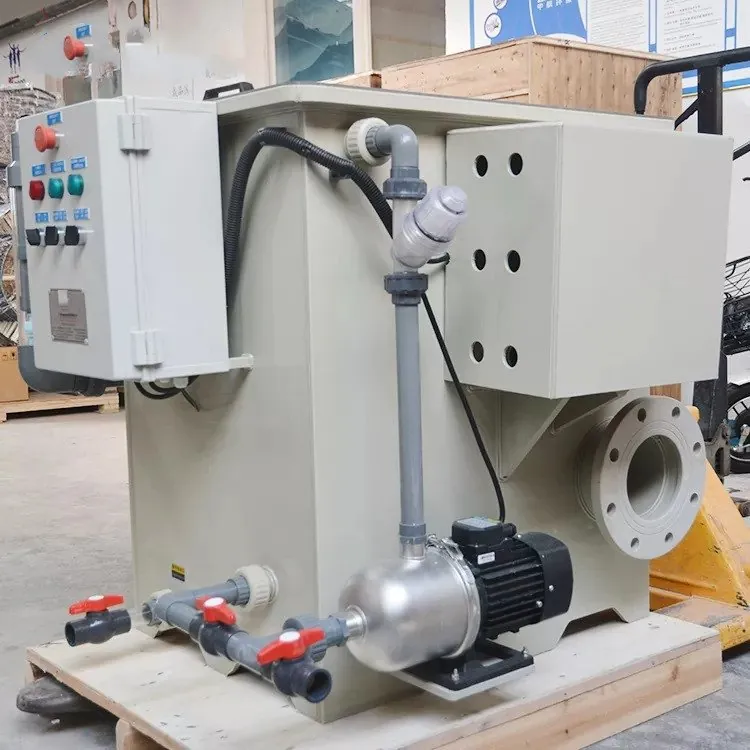
The rotary drum filter is the mechanical first stage, screening out faeces and uneaten feed before they break down. Mechanical filtration comes before biological filtration for a reason — solids load that reaches the biofilter stalls nitrification.
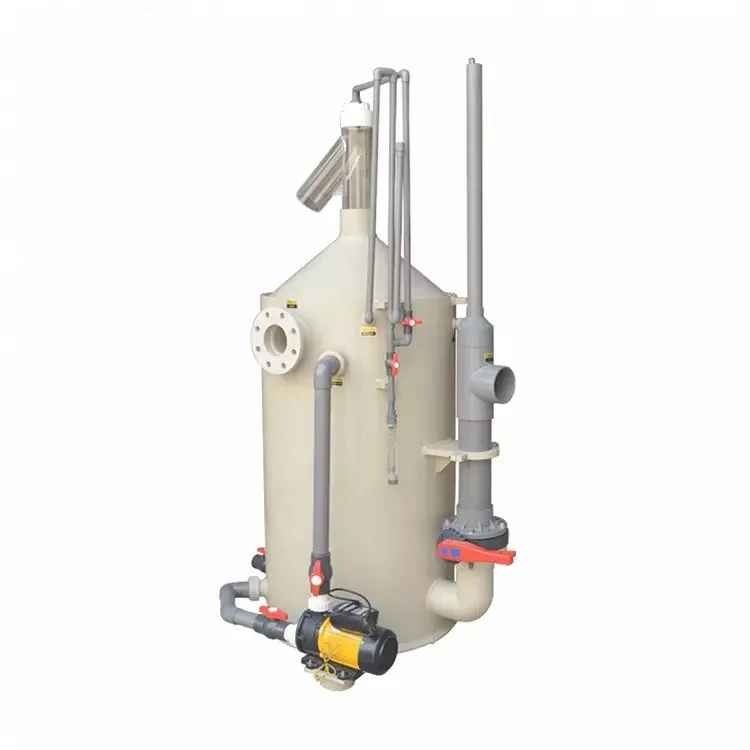
Biological filter (biofilter)
The biological filter is the living heart of the RAS: nitrifying bacteria on the filter media convert toxic ammonia to nitrite and then nitrate. Size it generously and mature it fully before stocking — an immature biofilter is the most common cause of new-system ammonia spikes.
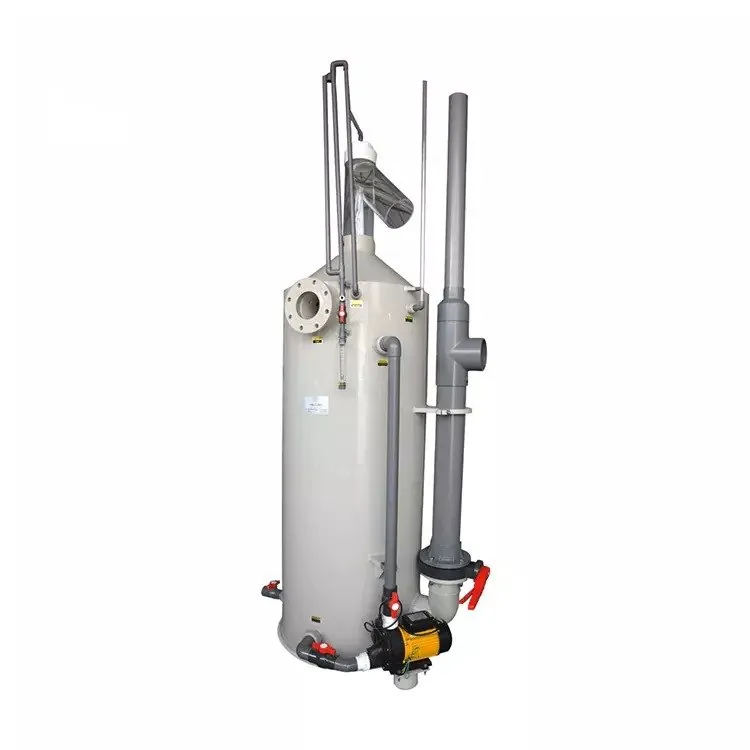
Protein skimmer
A protein skimmer for aquaculture (foam fractionator) lifts fine dissolved organics out of the water before they cloud it or feed bacteria. It takes load off the biofilter and keeps the loop clearer, which makes the downstream UV step more effective.
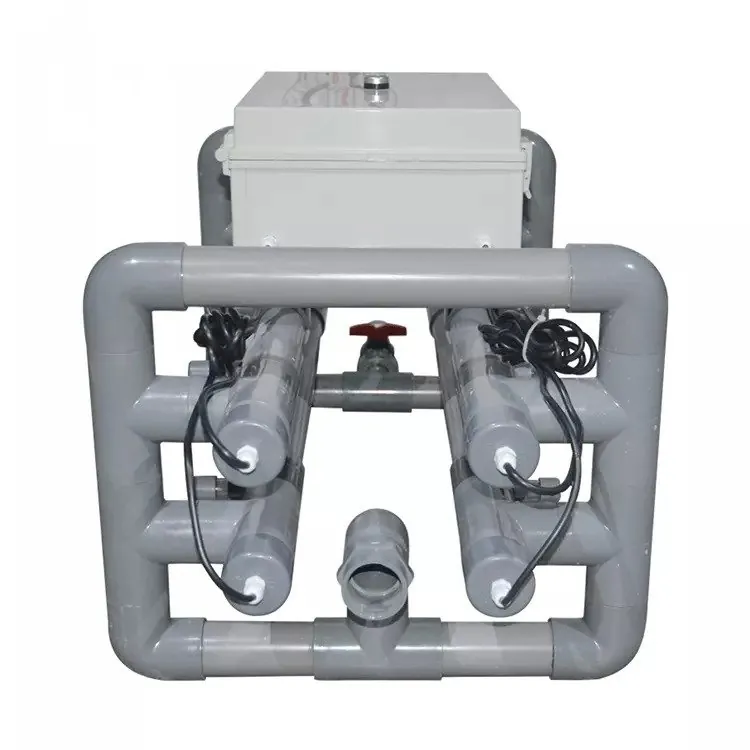
UV sterilizer
A UV sterilizer for aquaculture on the recirculating loop inactivates free-swimming bacteria, fungal spores and parasite stages moving through the water. It is a continuous biosecurity layer that lowers disease pressure in a closed system.
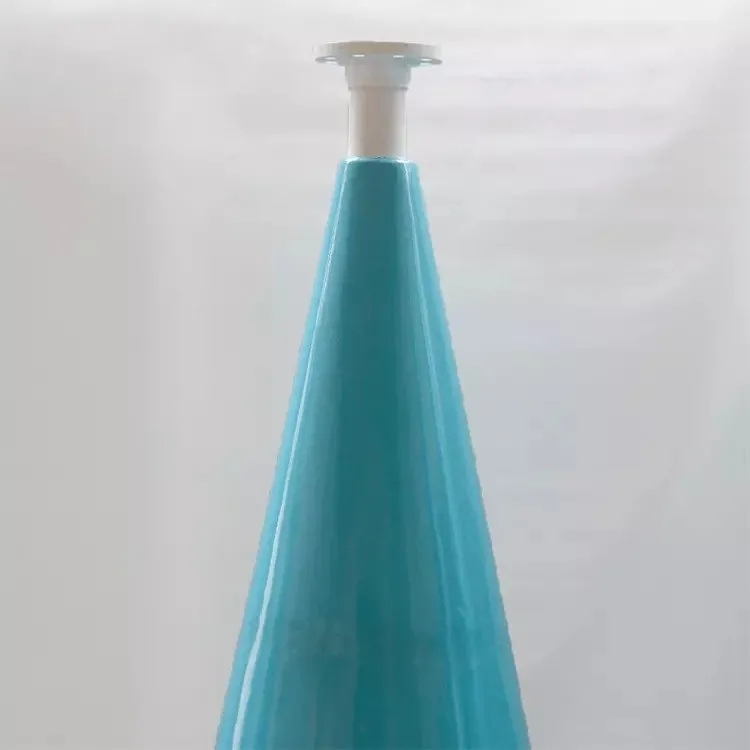
Dissolved oxygen cone
A dissolved oxygen cone dissolves pure oxygen under pressure, pushing DO high enough to hold dense stock and the post-feed oxygen spike. For high-density RAS it does what air aeration cannot — and used carefully it raises oxygen without over-gassing the water.
Equipment
Recommended RAS components
Chain these stages — drum filter → biofilter → skimmer → UV → oxygen cone — into a complete recirculating loop.
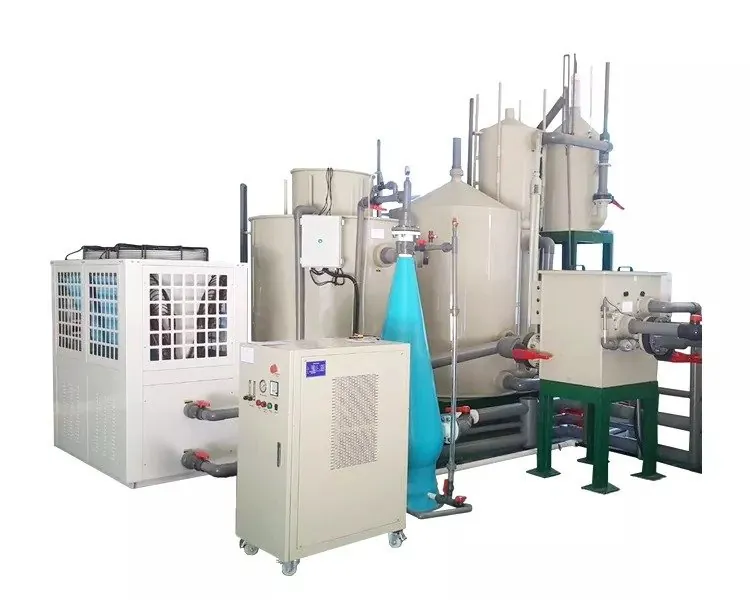
Complete recirculating aquaculture (RAS) systems: drum filters, biofilters, oxygen cones, pumps & monitoring. Custom-designed for your species & volume.
View details →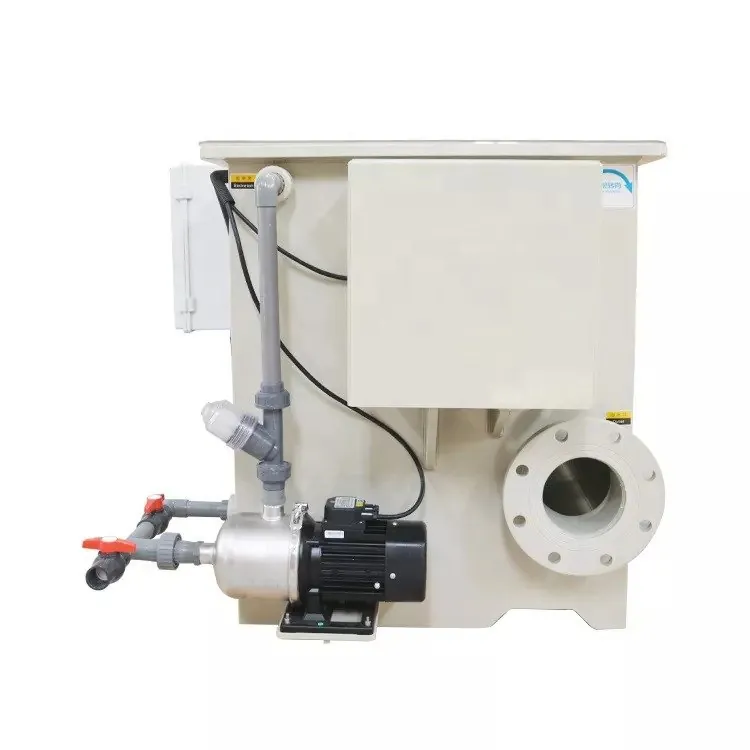
Self-cleaning rotary drum filters for RAS & aquaculture — automatic solids removal, multiple flow rates & micron options. Factory-direct from SIGMA.
View details → Moving-bed & media biofilters for RAS and aquaculture — high surface-area media, stable nitrification, removes ammonia. Factory-direct from SIGMA.
View details →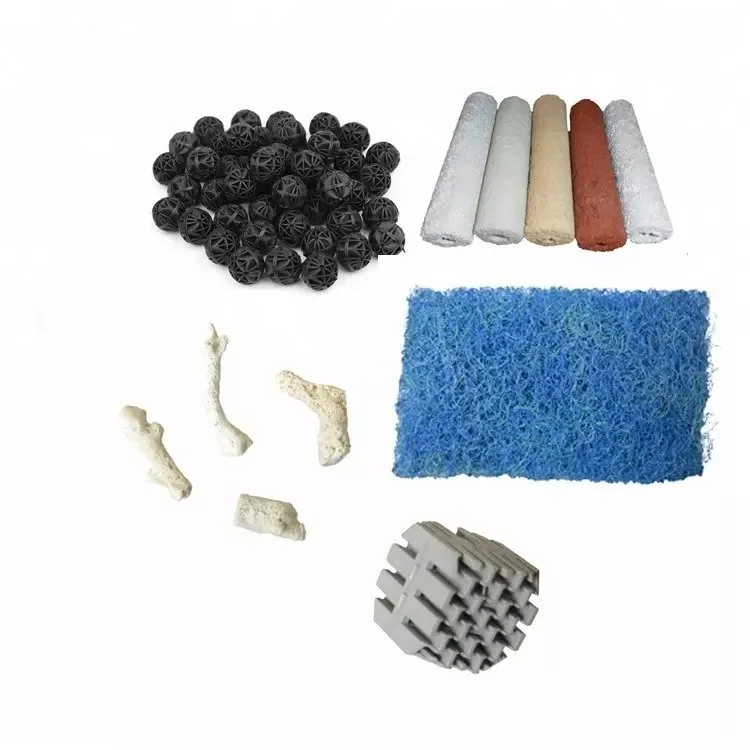
High-surface-area bio filter media (MBBR carriers, bio-balls) for RAS & aquaculture biofilters — fast nitrification, durable. Bulk supply from SIGMA.
View details →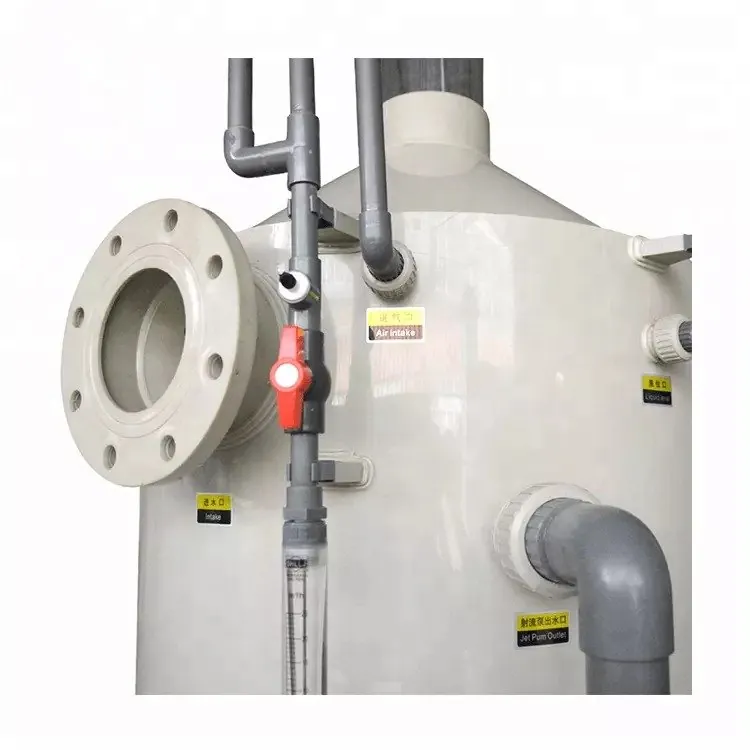
Industrial protein skimmers / foam fractionators for RAS & marine aquaculture — removes dissolved organics, improves water clarity & oxygen. Factory-direct.
View details →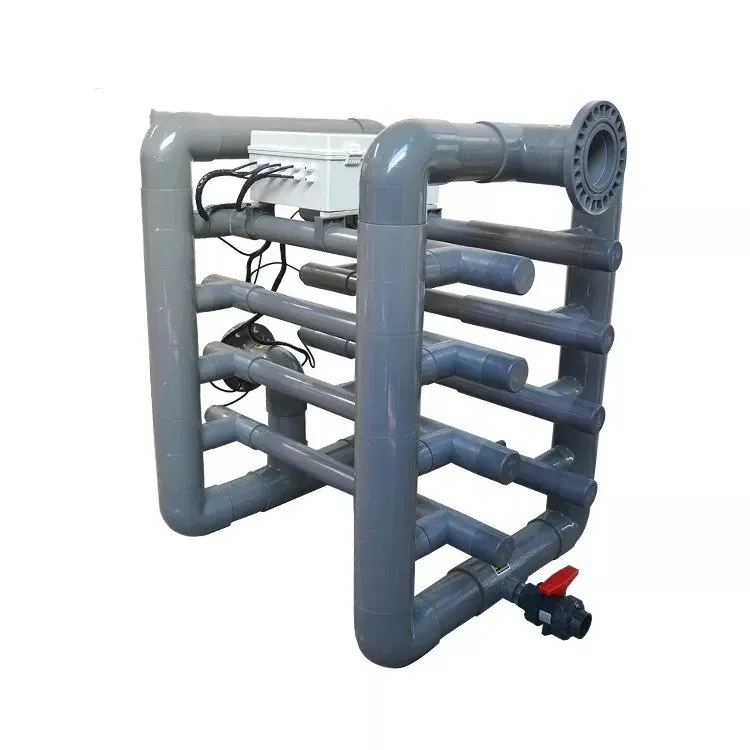
UV sterilizers for aquaculture & RAS — kill bacteria, parasites & algae spores, prevent disease without chemicals. Multiple flow rates, factory-direct from SIGMA.
View details →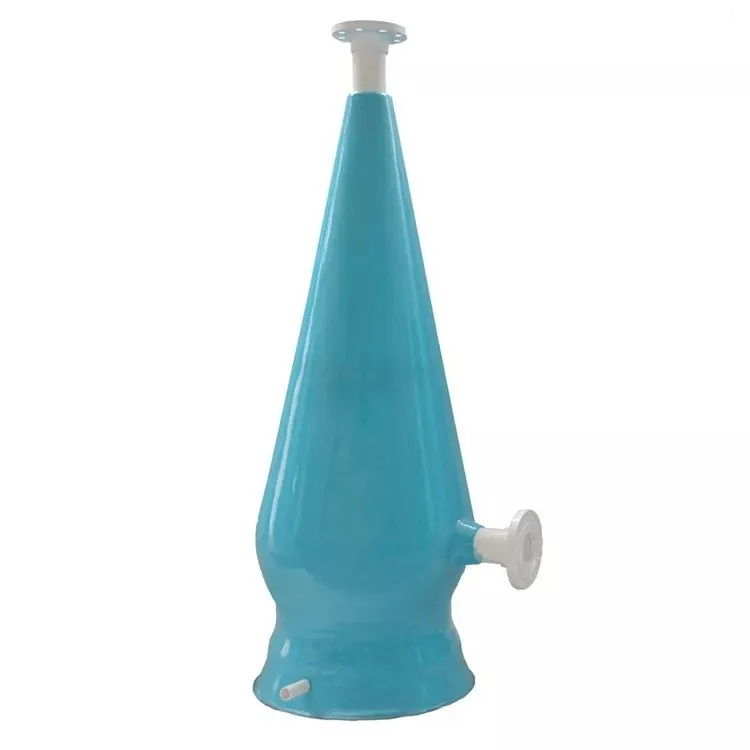
Oxygen / Speece cones that dissolve pure O2 for high-density RAS & biofloc farms. High transfer efficiency, multiple capacities. Manufacturer-direct from SIGMA.
View details →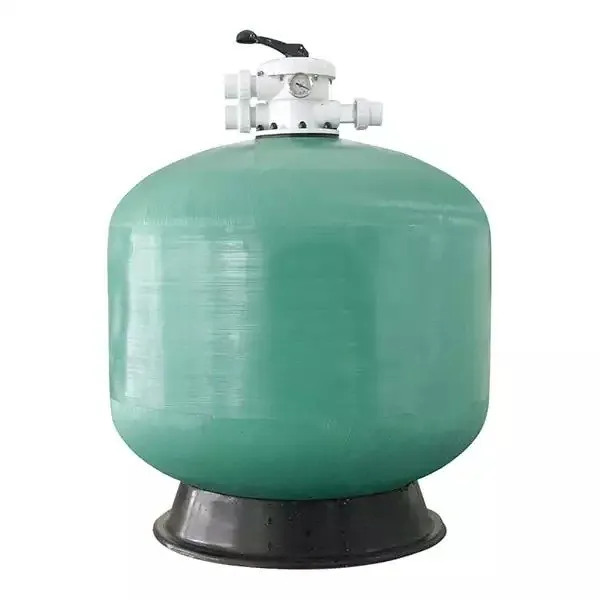
High-flow commercial sand filters for aquaculture, RAS & pond water treatment — efficient solids removal, easy backwash. Factory-direct from SIGMA.
View details →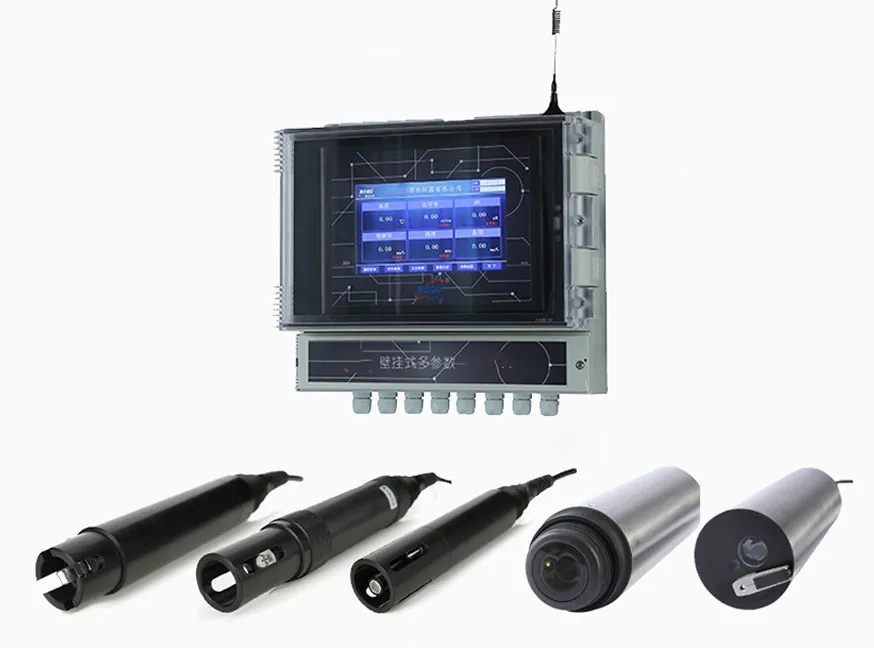
Online multi-parameter water-quality monitor for aquaculture — measures dissolved oxygen, pH, ORP, TDS & conductivity in real time. Factory-direct from SIGMA.
View details →Design & sizing
Design & sizing tips
Keep the stage order: mechanical, then biological, then oxygenation and disinfection. Put the drum filter ahead of the biofilter; solids reaching the biological filter are what stall nitrification and start an ammonia climb.
Mature the biofilter before the fish go in. Cycle the system, seed it with aquaculture probiotics, dose ammonia and confirm by testing that it converts ammonia to nitrate — verify on the water-quality meter, not on the calendar.
Engineer oxygen as a system, with backup. Base aeration from a roots blower plus a dissolved oxygen cone for the peaks, on an independent power source — a night-time DO crash is the single most common cause of mass loss in a stocked RAS.
Add a degassing step. In a closed loop CO₂ builds up and drops the pH; design in a degassing/stripping stage so it is removed rather than left to stress the fish, especially for oxygen-hungry species like sturgeon. See the full range of oxygen equipment for the aeration side of the loop.
Learn more
Guides & technical articles
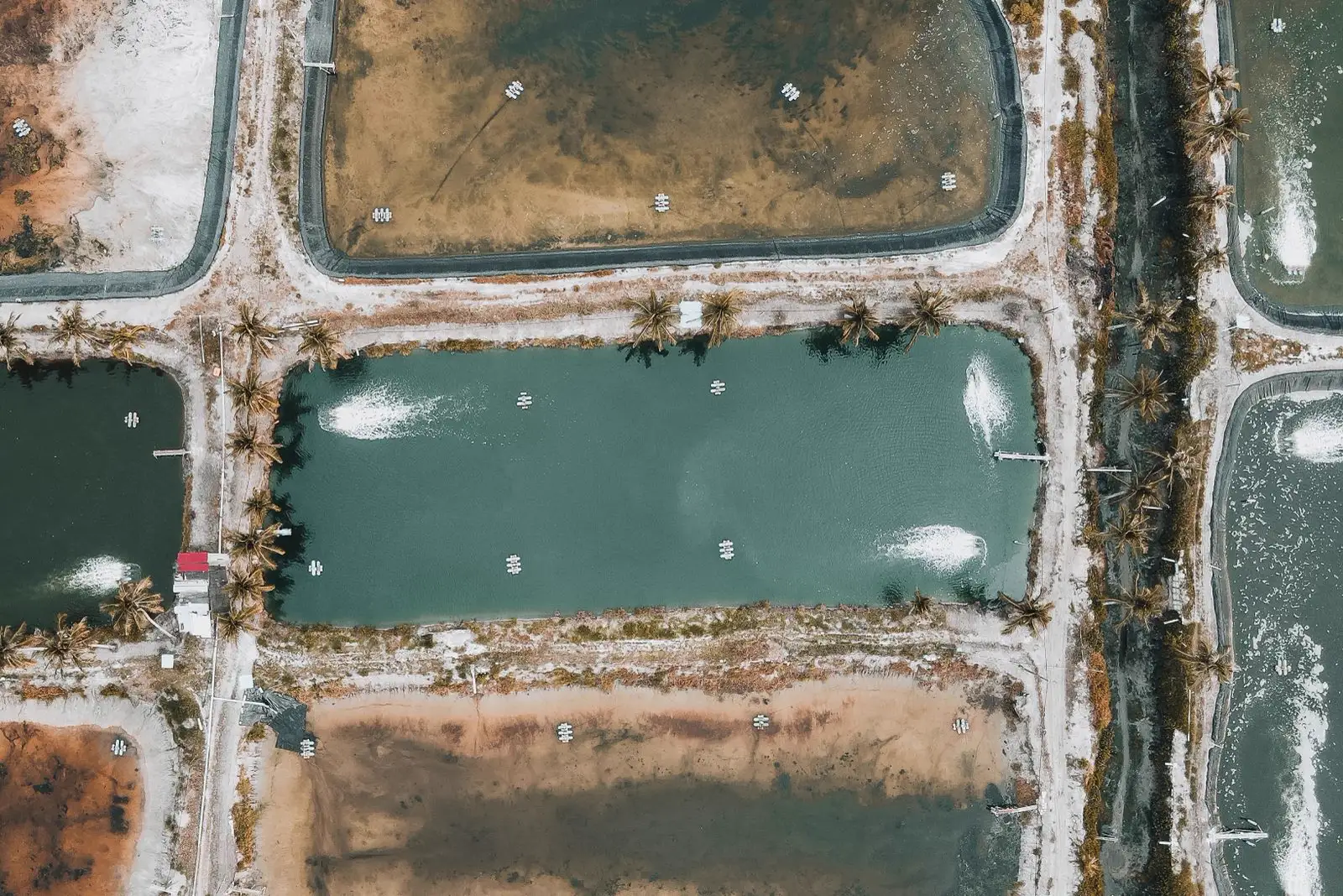
How to run biofloc water: set the C:N ratio, hold oxygen above 4–5 mg/L, keep floc at 200–500 mL/L, control solids and reuse water cycle after cycle.
View details →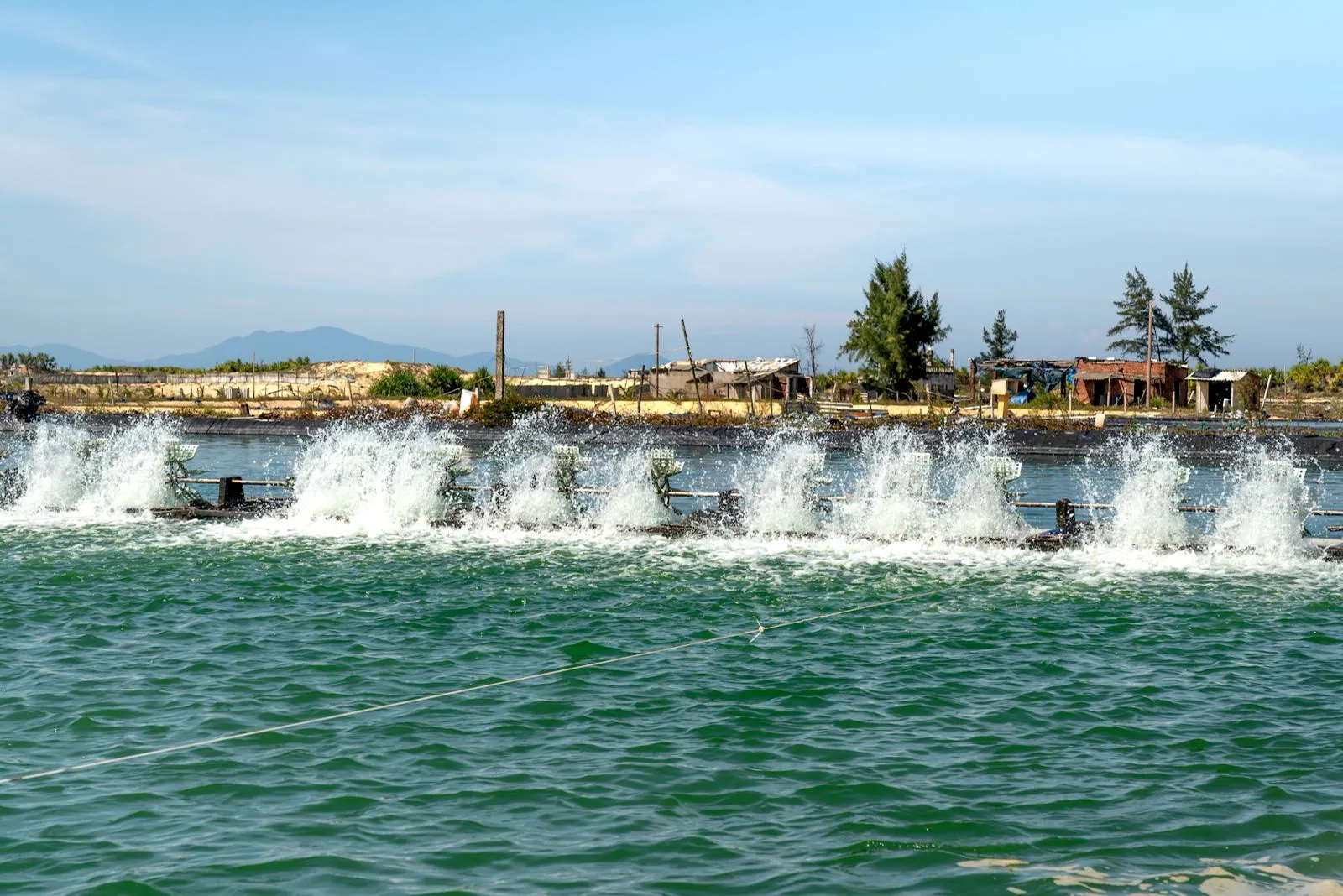
Biofloc technology turns fish waste into protein-rich microbial floc. Learn how it works, the C:N ratio, bacteria, costs and which fish suit it.
View details →FAQ
Frequently asked questions
What is a recirculating aquaculture system (RAS)?
A RAS is a closed-loop fish-farming system that continuously filters and reuses the same water instead of discharging it. Water passes through mechanical, biological, oxygenation and disinfection stages on every cycle, letting farms stock at high density indoors and year-round on very little water.
What are the main components of a RAS?
A complete RAS needs a culture tank, a mechanical filter (rotary drum filter), a biological filter for ammonia, a protein skimmer, a UV sterilizer, an oxygenation stage (dissolved oxygen cone and blower), a degassing step and water-quality monitoring — all sized to the same flow.
Why does mechanical filtration come before the biofilter?
Suspended solids — faeces and uneaten feed — would clog the biofilter media and smother the nitrifying bacteria, stalling ammonia conversion. Removing solids first with a drum filter keeps the biological filter working and the water clear for UV treatment.
How long does it take to start up a RAS biofilter?
A new biofilter takes weeks to grow a stable colony of nitrifying bacteria. You cycle the system and confirm by testing that it reliably converts ammonia to nitrite to nitrate before stocking fish — dosing probiotics helps it mature faster.
How much water does a RAS save versus a pond?
Because a RAS reuses the same water through filtration, it runs on a small fraction of the water a flow-through or pond farm needs, with daily top-up only for evaporation and a small bleed. The exact saving depends on stocking density and system design.
What species are farmed in RAS?
High-value and intensive species suit RAS — sturgeon for meat and caviar, tilapia, and many others raised indoors for biosecurity and year-round growth. The closed loop gives tight control over temperature and water quality.
Proof
Related export cases

SIGMA case study: a super-large fish farming tank manufactured and exported to a customer in Mozambique. See the project details.
View details →
SIGMA case study: fish farming tanks manufactured and exported to Nissui in Japan. See the project details on this page.
View details →Plan your aquaculture system
Tell us your species, target density and site, and our aquaculture engineers will spec the equipment combination for you.