
Overwinter warm-water species
Holds water in the optimal window (typically around 26–30 °C) so tilapia, catfish and shrimp keep feeding and growing through winter.
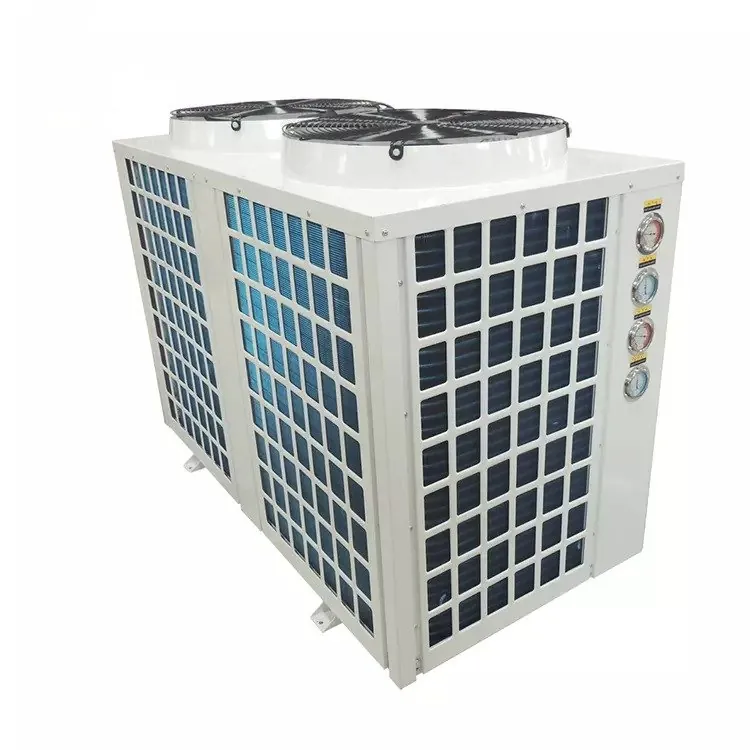
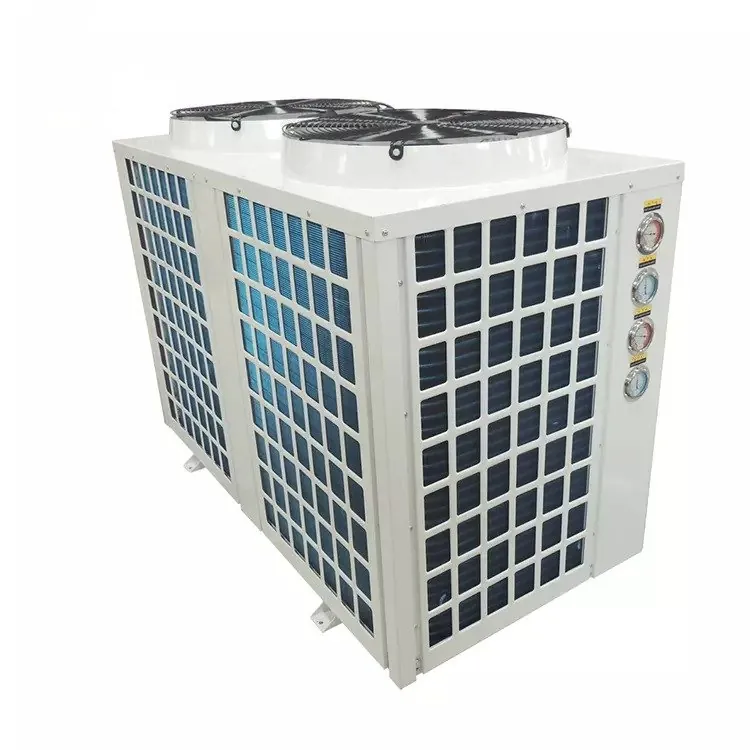
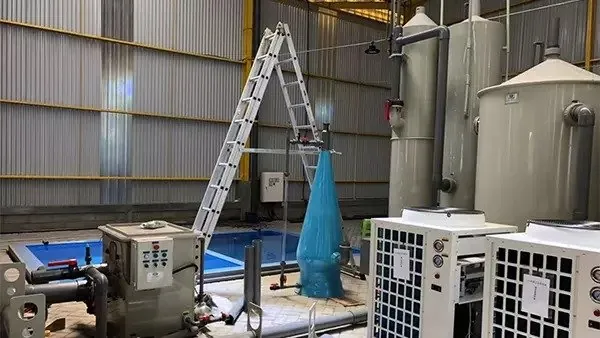
An aquaculture water heater holds pond, tank or RAS water at the temperature tilapia, catfish and shrimp need to keep feeding through winter. The heat-pump type runs at COP 4–6, and a titanium-tube heat exchanger handles seawater directly with precision temperature control to ±1 °C.
15+ years in aquaculture engineering · Trusted by Japfa Group, Japan Nissui & Tropo Farms · Shipped worldwide in one container
Product Description
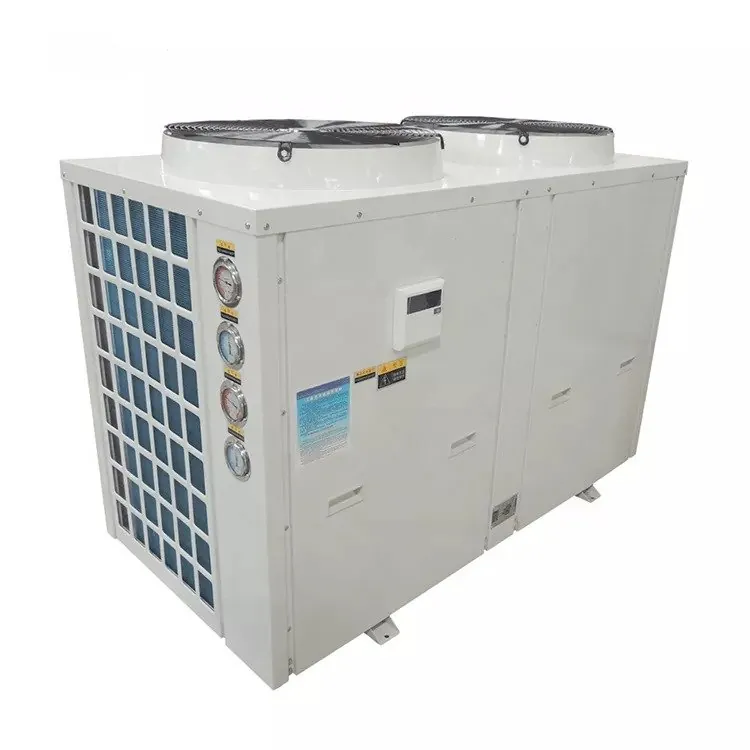
Protective Devices: missing phase and Undervoltage, phase dislocation, compressor overload, water pump overload protection, etc. It can alarm and display faults at any time.
2.Microcomputer temperature control system: temperature controllable range + 5° C to + 35 ° C, accuracy 0.1°C.
Advantage:
Specifications
Output and COP ranges integrated from industry practice — final specifications and heating method are confirmed by SIGMA's production line per project.
| Model | Capacity | Typical use | Core configuration |
|---|---|---|---|
| SIGMA-HP-10 | ~10 kW | Small tanks / holding | Heat pump / electric · COP 4–5 |
| SIGMA-HP-30 | ~30 kW | Small–mid farms | Heat pump / electric · COP 4–5.5 |
| SIGMA-HP-60 | ~60 kW | Mid-size farms | Heat pump · COP 4.5–6 |
| SIGMA-HP-120 | ~120 kW | Large farms | Heat pump · COP 4.5–6 |
| SIGMA-HP-250 | ~250 kW | Industrial-scale culture | Heat pump · COP 4.5–6 |
| Heating method | Heat-pump heating (air/water source), electric heating or heat-exchanger heating — temperature raising and holding |
|---|---|
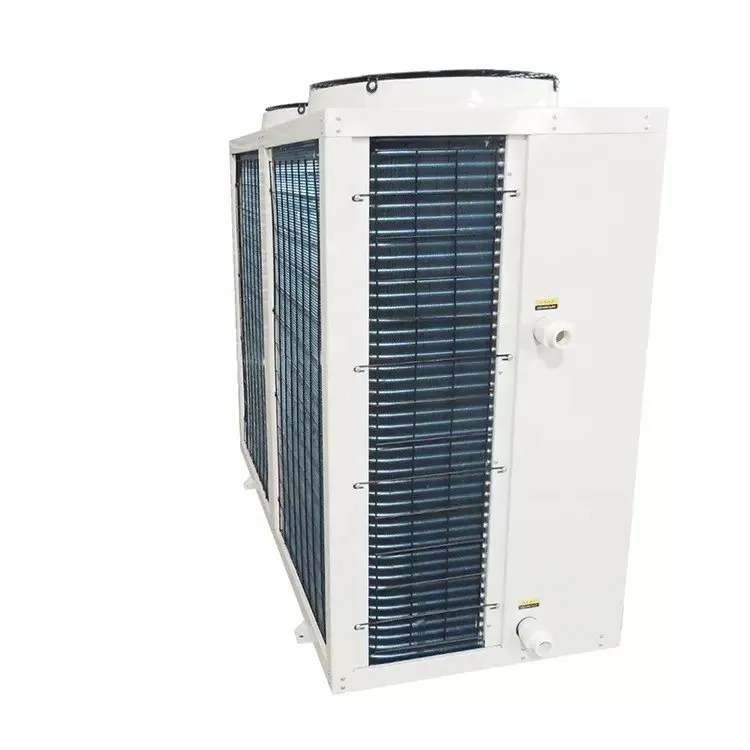
| Heat exchanger | Pure titanium tube — corrosion-resistant, seawater can pass directly through the unit (up to ~35,000 ppm salinity) |
| Temperature control | ±1 °C via electronic controller with set-point holding |
| Energy saving (heat-pump type) | 50–70% lower running cost than electric resistance heating; 40–60% lower than oil/gas boilers |
| Water type | Freshwater / saltwater |
| Safety protection | High/low pressure, overload, phase-loss, low-water and exhaust-temperature cut-outs |
| Options | PLC integration, remote monitoring, multi-unit parallel, insulated buffer tank, economy electric-only version |
System composition
Holds water in the optimal window (typically around 26–30 °C) so tilapia, catfish and shrimp keep feeding and growing through winter.
Several units of heat per unit of electricity — 50–70% cheaper to run than resistance heating; an economy electric version is also available.
Pure titanium tubing resists corrosion so full-strength seawater passes straight through the unit.
Electronic control holds the species' optimal growth temperature steadily.
High/low pressure, overload, phase-loss, low-water and exhaust-temperature cut-outs allow unattended operation.
From a few kW for small indoor modules to several hundred kW for commercial farms.
Steady warm temperature plus low water exchange is what makes intensive all-season production profitable in cold climates. The same titanium exchanger also runs in reverse as a water chiller for fish farm cooling, or a fish pond heat pump for warming — SIGMA sizes either duty from the same platform.
Application
FAQ
Warm-water species like tilapia, catfish and shrimp feed and grow best around 26–30 °C. When water drops below that in winter they stop eating and growth stalls, so a heater holds the water in that warm window for all-season production.
A heat-pump heater delivers a COP of roughly 4–6 — several units of heat per unit of electricity — for about 50–70% lower running cost than plain electric resistance heating.
Yes — at its core is a titanium-tube heat exchanger that resists corrosion, so fresh water and full-strength sea water can pass directly through the unit.
An electronic controller holds water temperature tightly, typically within ±1 °C, with multi-layer safety protection for unattended running.
Yes — beyond winter heating, the identical titanium-tube platform runs as an aquaculture chiller or fish pond heat pump, so warm-climate farms use it to pull heat out in summer instead of adding it in winter.
For farm volumes, a heat pump is the best aquaculture heater in running-cost terms: it moves 4–6 kW of heat per kW of electricity (COP 4–6), while an electric element never exceeds 1:1. Electric elements only make sense for very small hatchery tanks where the absolute power draw stays low.
Related equipment
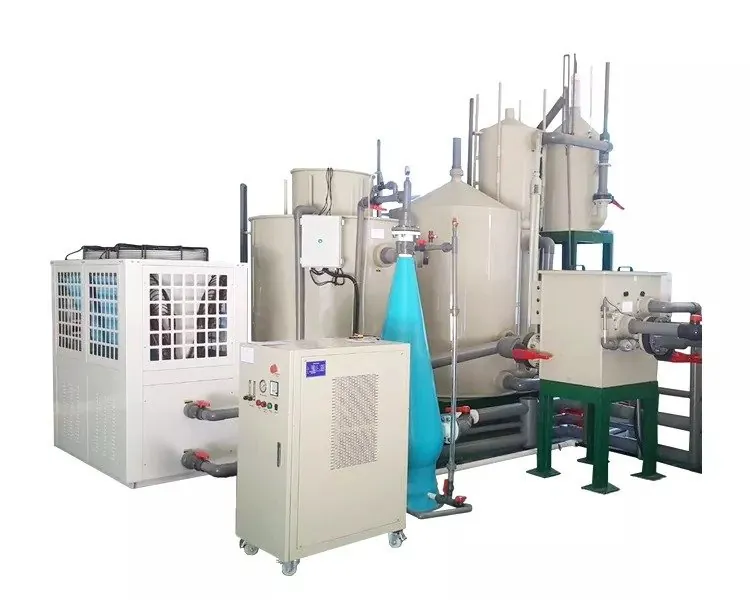
Complete recirculating aquaculture (RAS) systems: drum filters, biofilters, oxygen cones, pumps & monitoring. Custom-designed for your species & volume.
View details →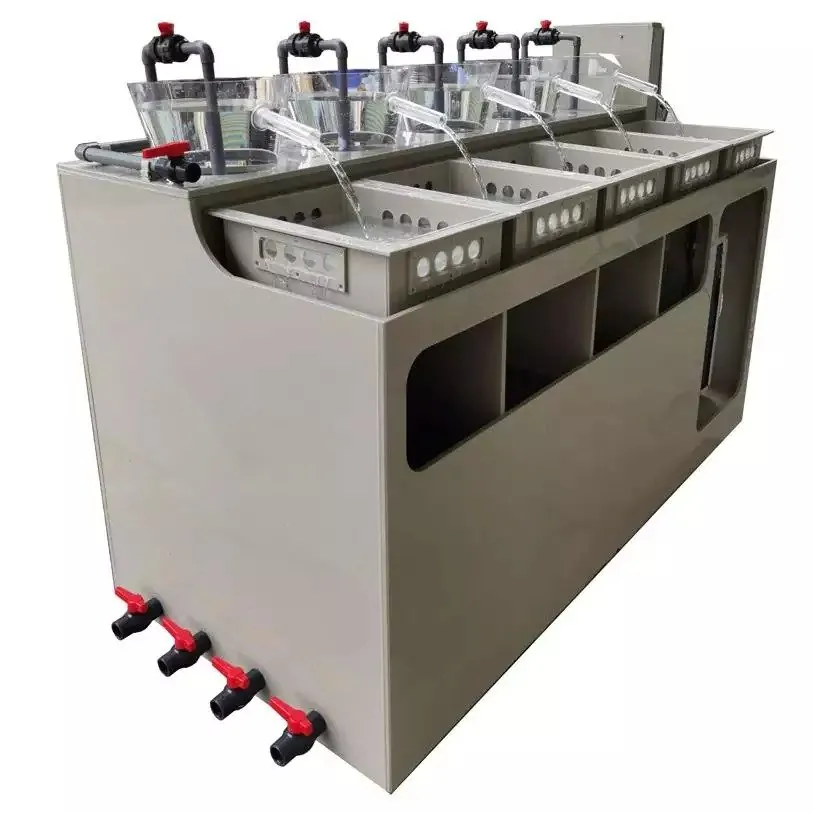
Fish egg incubators & hatchery jars for tilapia, trout & carp — high hatch rates, adjustable flow, complete hatchery setups. Manufacturer-direct from SIGMA.
View details →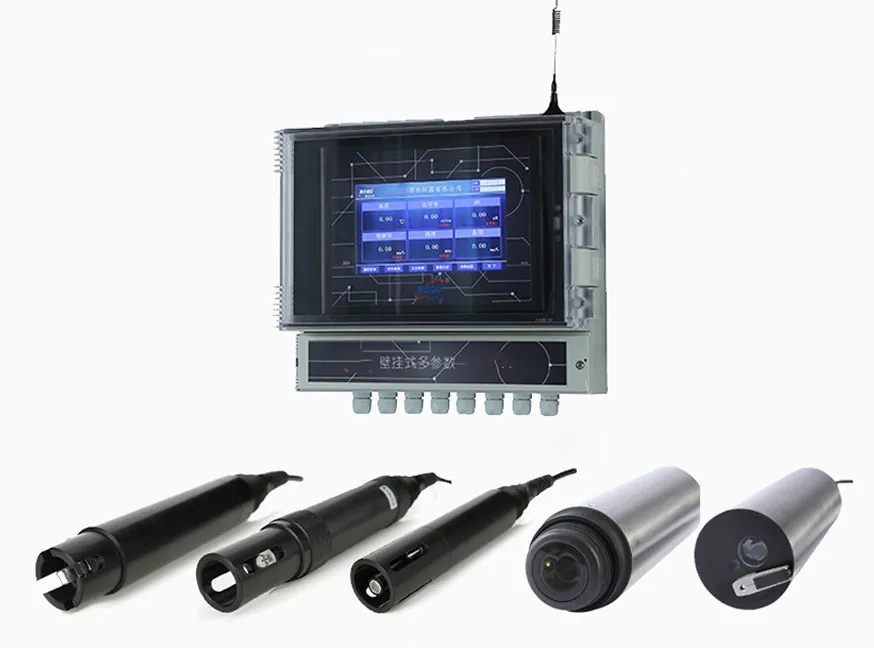
Online multi-parameter water-quality monitor for aquaculture — measures dissolved oxygen, pH, ORP, TDS & conductivity in real time. Factory-direct from SIGMA.
View details →Tell us your species, target density and site — our engineers size the system and reply within one business day.