Blog
Aquaculture guides for fish & shrimp farmers
Field-tested know-how from our engineers and export projects — biofloc technology and fish-health management, with more topics on the way.
Reading path
Biofloc Technology
How biofloc works, why farms adopt it, tank setup costs, species selection, and how to run the water — the science behind high-density, low-water-exchange culture.
- 1
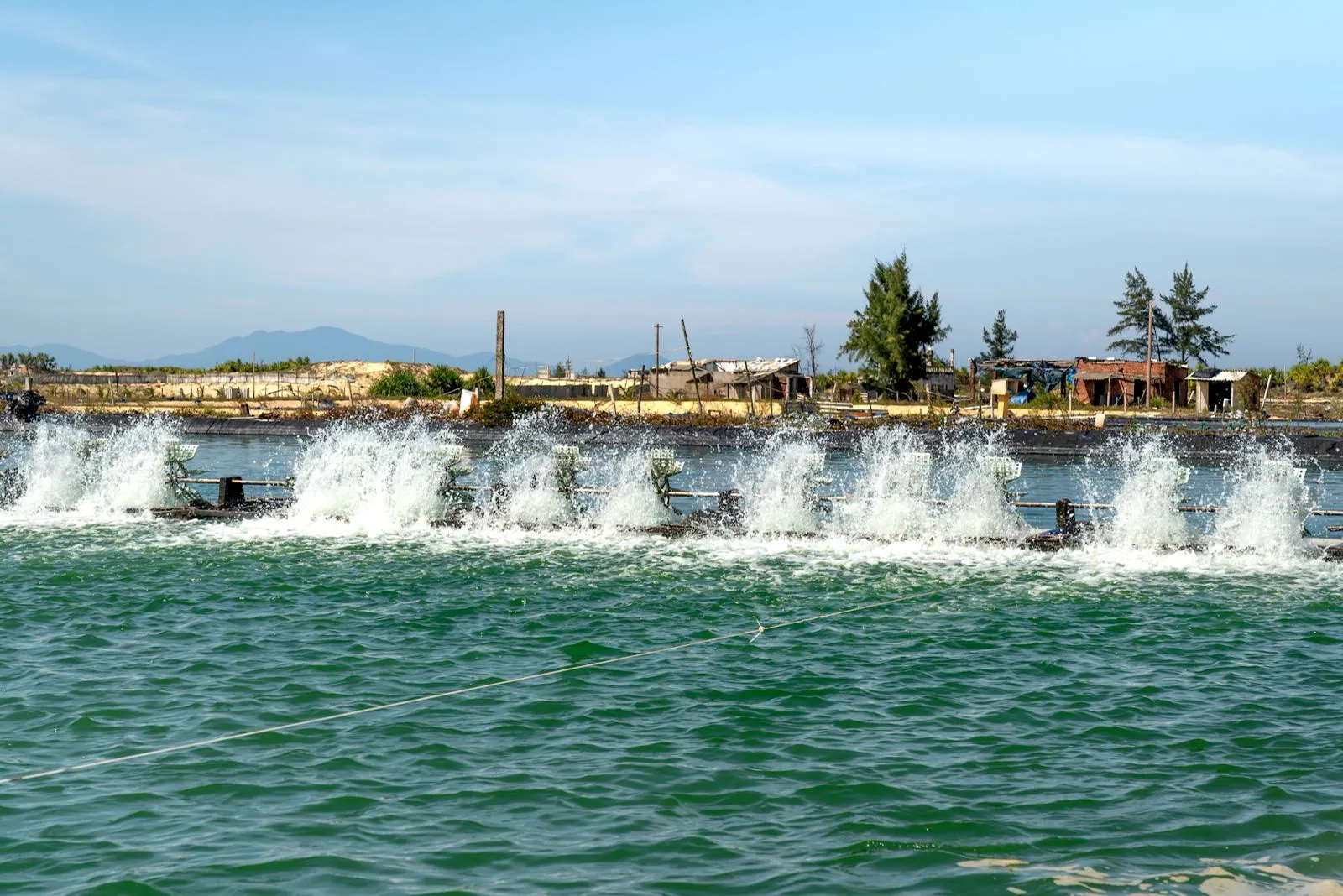 What Is Biofloc Technology and How Does It Work? Biofloc technology turns fish waste into protein-rich microbial floc. Learn how it works, the C:N ratio, bacteria, costs and which fish suit it. Start reading →
 - 2
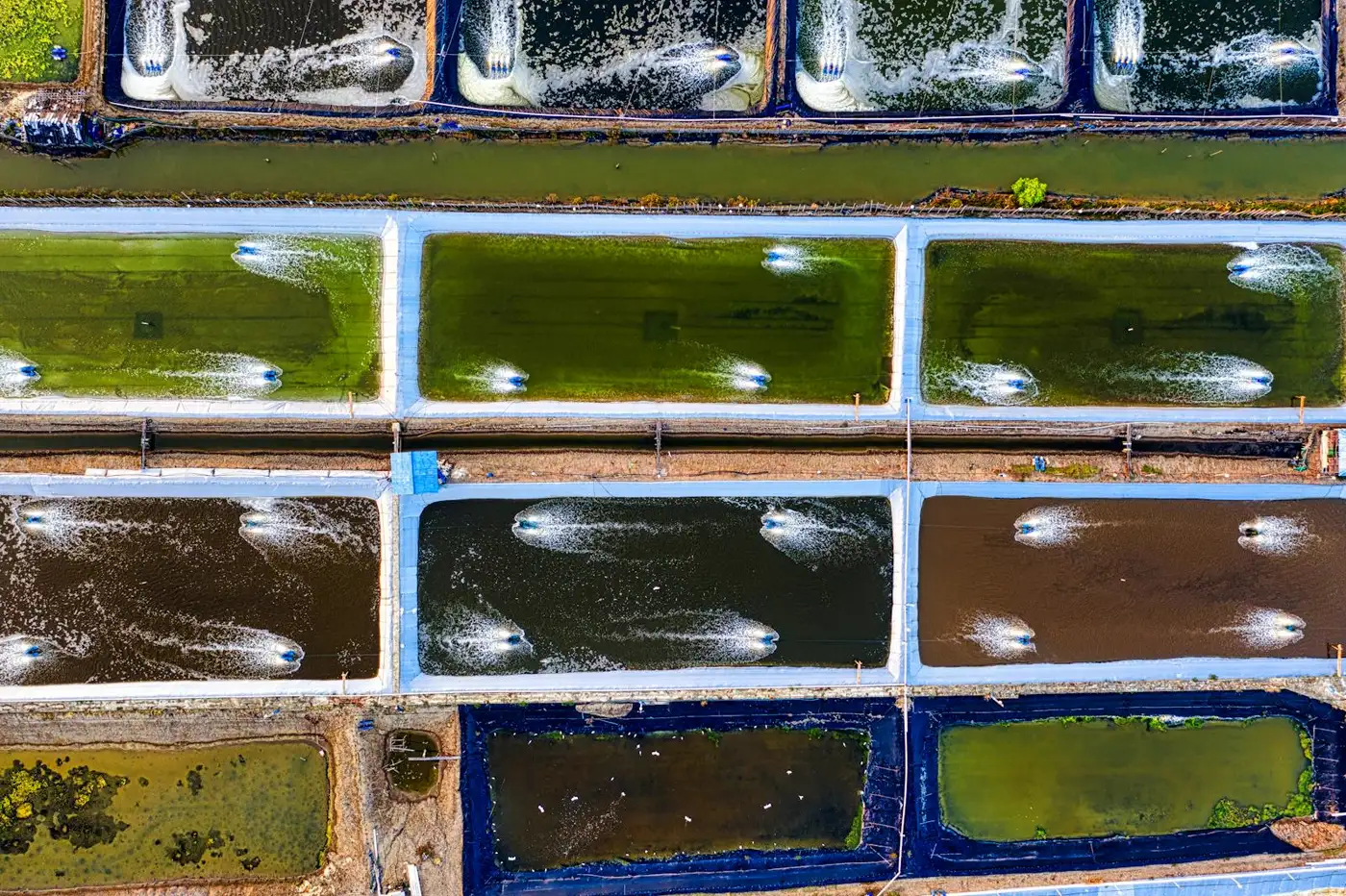 The Benefits of Biofloc Technology — and What It Really Costs The real benefits of biofloc — 80–90% less water, 10–30% feed saved, higher density — plus the honest costs. Numbers from working tilapia and shrimp farms. Part 2 →
 - 3
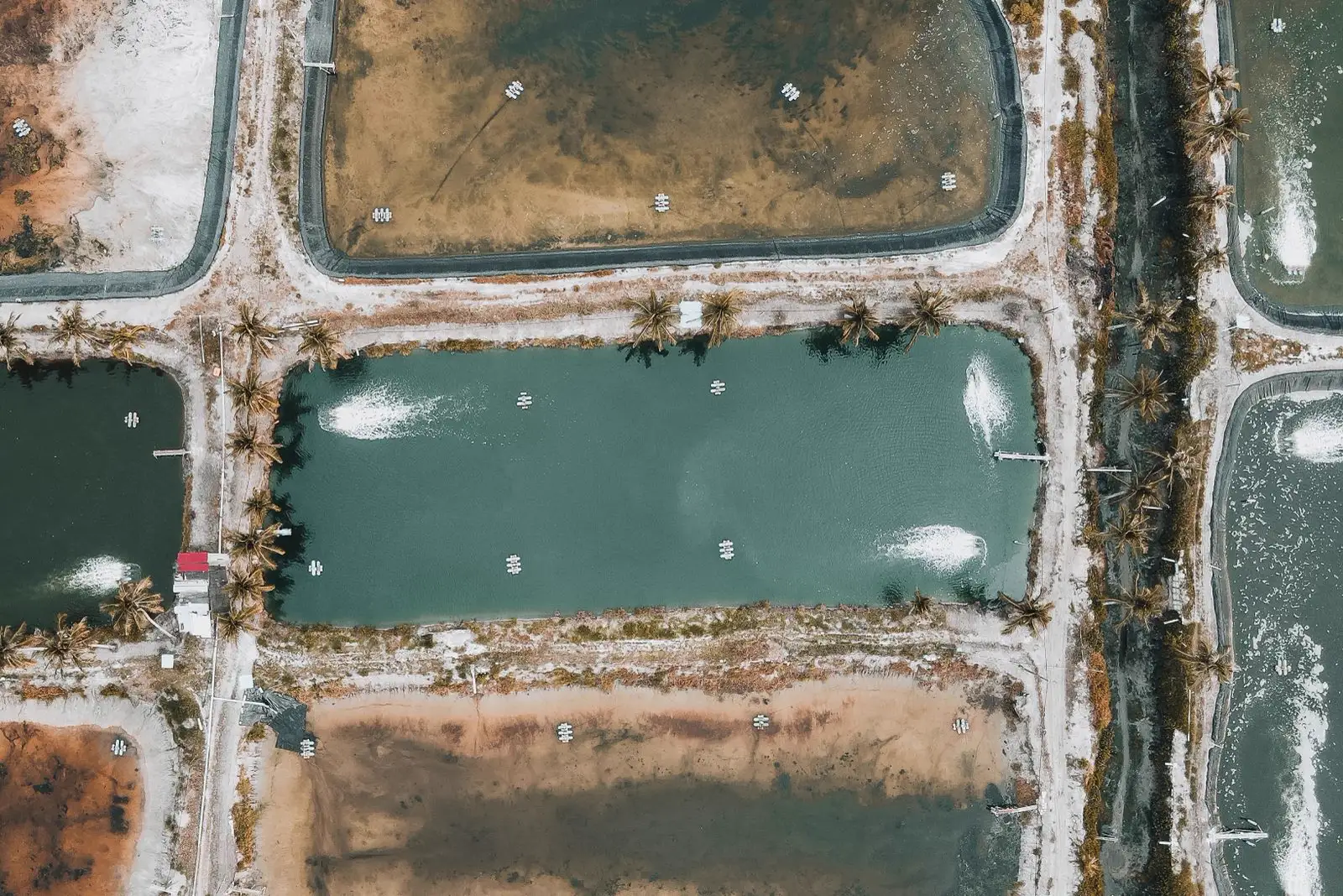 Biofloc Water Quality Management: C:N Ratio, Solids & Water Reuse How to run biofloc water: set the C:N ratio, hold oxygen above 4–5 mg/L, keep floc at 200–500 mL/L, control solids and reuse water cycle after cycle. Part 3 →
 - 4 Best Fish for Biofloc: Species Selection Guide Best fish for biofloc systems — tilapia, catfish, shrimp, murrel and carp compared by stocking density, tolerance and market fit. Part 4 →
- 5 Biofloc Tank Setup: Cost, Materials & Size Guide Biofloc tank cost by material — tarpaulin, PVC, HDPE and cement — plus the drainage and installation details that decide if it holds up. Part 5 →
Reading path
Feed & Nutrition
Floating vs. sinking pellet selection, species-specific feed formulation for tilapia, catfish and shrimp, seasonal feeding schedules, and Artemia hatchery protocols.
- 1 Fish Feed Types: Floating vs Sinking Pellets for Aquaculture Floating or sinking fish food pellets — which one fits your pond? Pellet sizes, bulk pricing and how to pick a commercial fish feed supplier. Start reading →
- 2 Tilapia Feed: Pellet Types, Nutrition & Feeding Schedule Tilapia food and feed pellets by growth stage — protein levels, pellet size, feeding rate and how much to feed per day per kilo of fish. Part 2 →
- 3 Catfish Feed & Nutrition: What to Feed Farm-Raised Catfish Fish food for catfish by growth stage — floating vs sinking, protein levels, feeding rate per pond and the mistakes that spike ammonia. Part 3 →
- 4 Shrimp & Prawn Feed: Types, Protein Levels & Feeding Tips Shrimp feed and prawn feed guide — sinking pellet types, vannamei protein needs, feeding trays and how much to feed per pond. Part 4 →
- 5 Pond Fish Feed: Seasonal Feeding & How to Choose the Right Food Fish food for ponds by season and species — how temperature changes feeding rate, slow-release options, and picking the best food for pond fish. Part 5 →
- 6 Aquafeed Ingredients: Fish Meal, Additives & Formulation Basics Aquafeed ingredients explained — fish meal, additives, astaxanthin and species-specific formulated fish feed for salmon, eel and general aquatic feed. Part 6 →
- 7 Artemia Hatching & Fry Feeding: A Hatchery Guide Artemia tank setup, fish incubator basics and food for fry fish — how hatcheries hatch artemia and get larvae past the first feeding gap. Part 7 →
Reading path
System Design & Farming Guides
Engineering layout, aeration and filtration sizing, raceway culture, farm business planning, and beginner-to-commercial fish farming blueprints.
- 1 Raceway Aquaculture System: Design, Flow and Equipment Raceway aquaculture system design explained — tank geometry, flow and water exchange, plus the equipment a raceway fish farm needs from intake to outlet. Start reading →
- 2 Fish Farming Business Plan: Species, Systems & Cost Structure A practical fish farming business plan — species and market fit, system choice, equipment CAPEX, operating costs, and how to size your profit. Part 2 →
- 3 Backyard Fish Farming for Beginners: Tilapia Setup Basics Backyard fish farming for beginners — tank options, aeration, and stocking basics for a small tilapia setup, with a note on scaling up later. Part 3 →
Reading path
Tilapia Health
Spotting and controlling the parasites and bacterial diseases that hit farmed tilapia — and the role water quality plays in prevention.
- 1
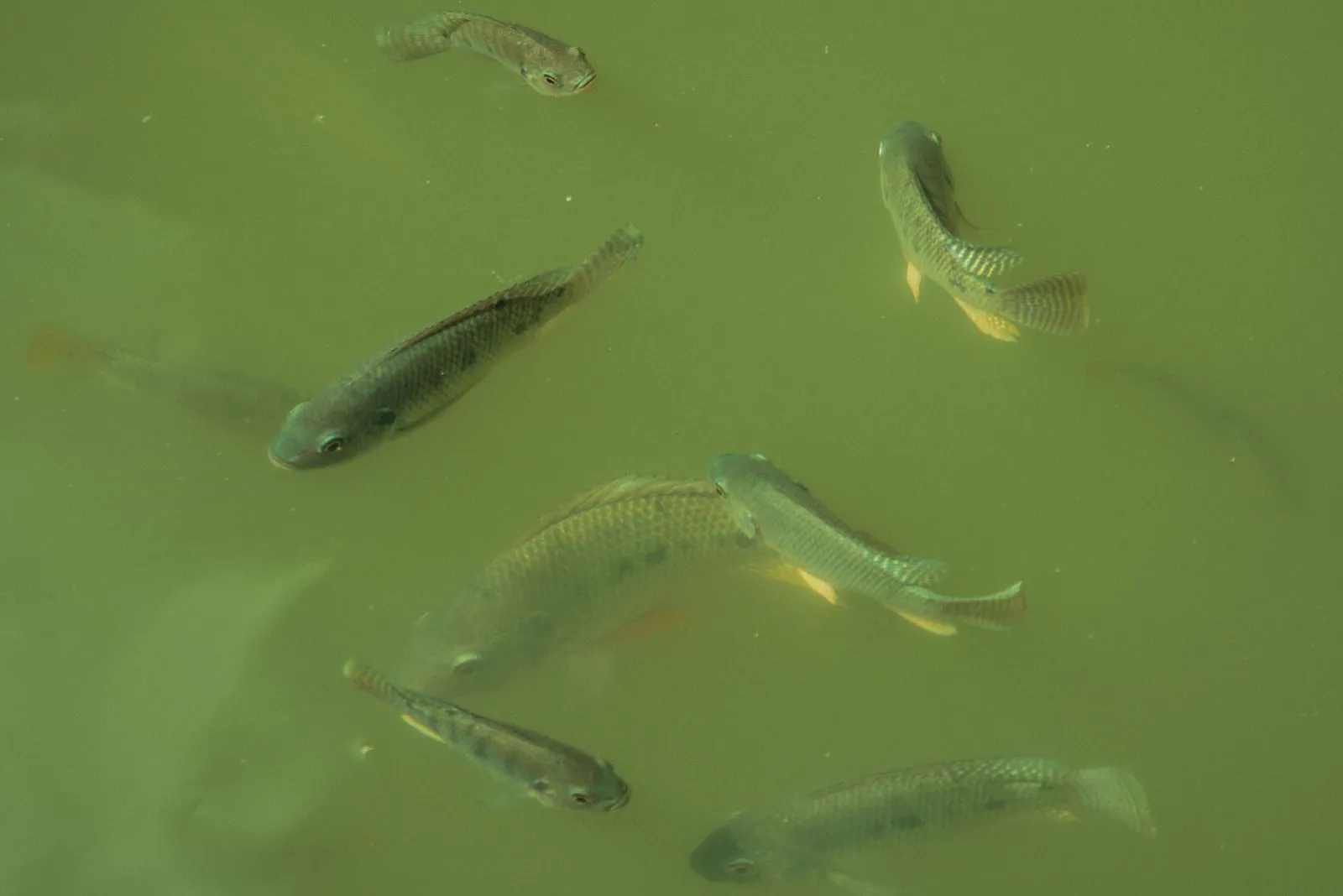 Trichodina in Tilapia: Symptoms, Diagnosis & Control Trichodina is a ciliate parasite that flares up in dirty, crowded tilapia ponds. Spot the symptoms, confirm it under a microscope and treat it for good. Start reading →
 - 2
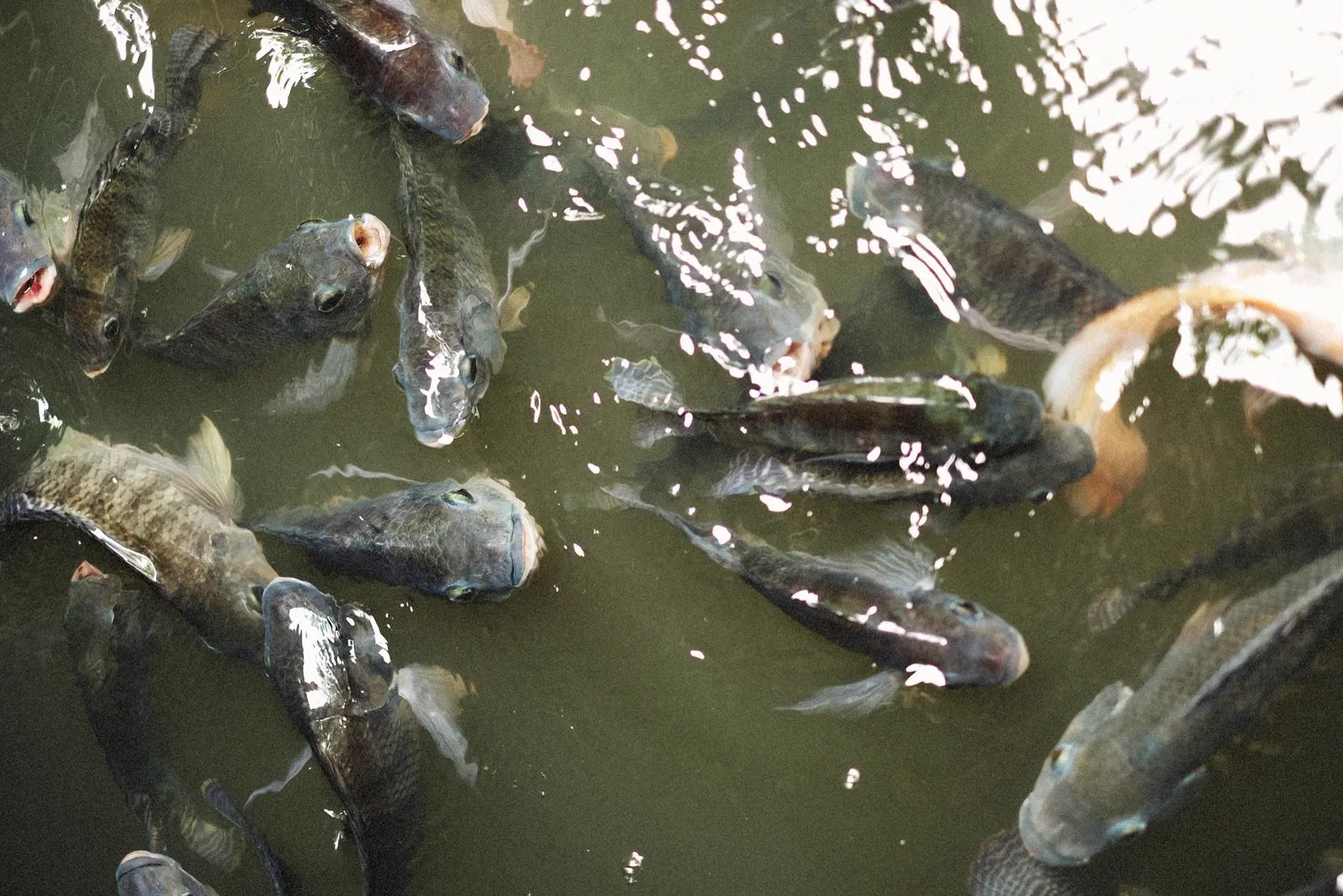 Monogenean Parasites in Fish: Gyrodactylus and Dactylogyrus Monogenea (gyrodactylus, dactylogyrus) are skin and gill flukes that kill tilapia. Learn how to diagnose them under a scope and control them in the tank. Part 2 →
 - 3
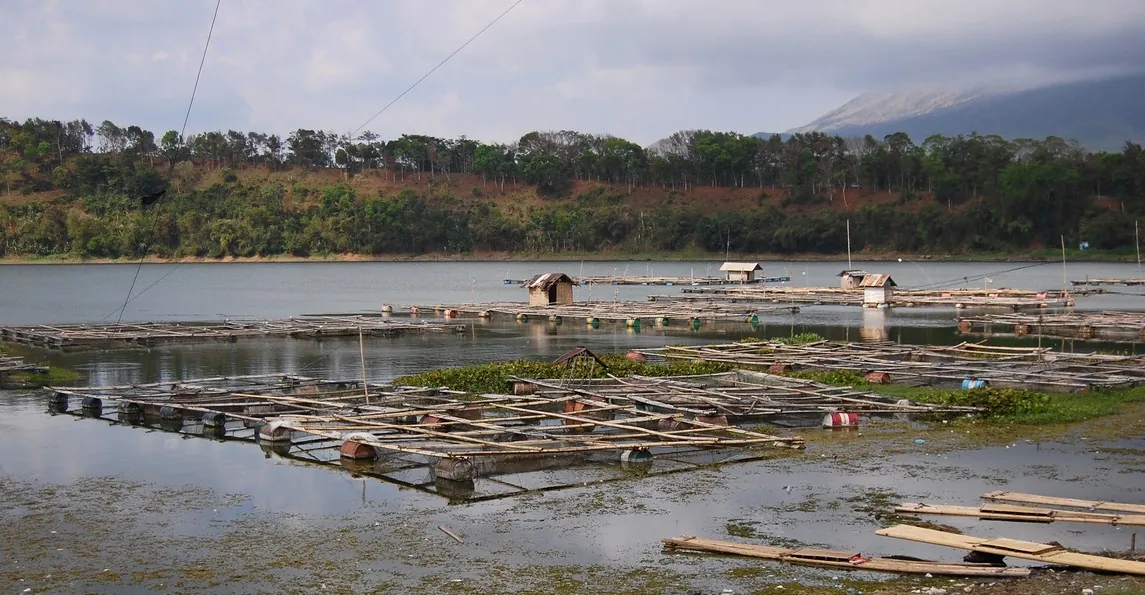 Streptococcus in Tilapia: Symptoms, Diagnosis & Control Streptococcus is the No.1 bacterial killer of farmed tilapia in warm water. Spot the spinning, pop-eyed fish, diagnose it and treat the real cause. Part 3 →
 - 4
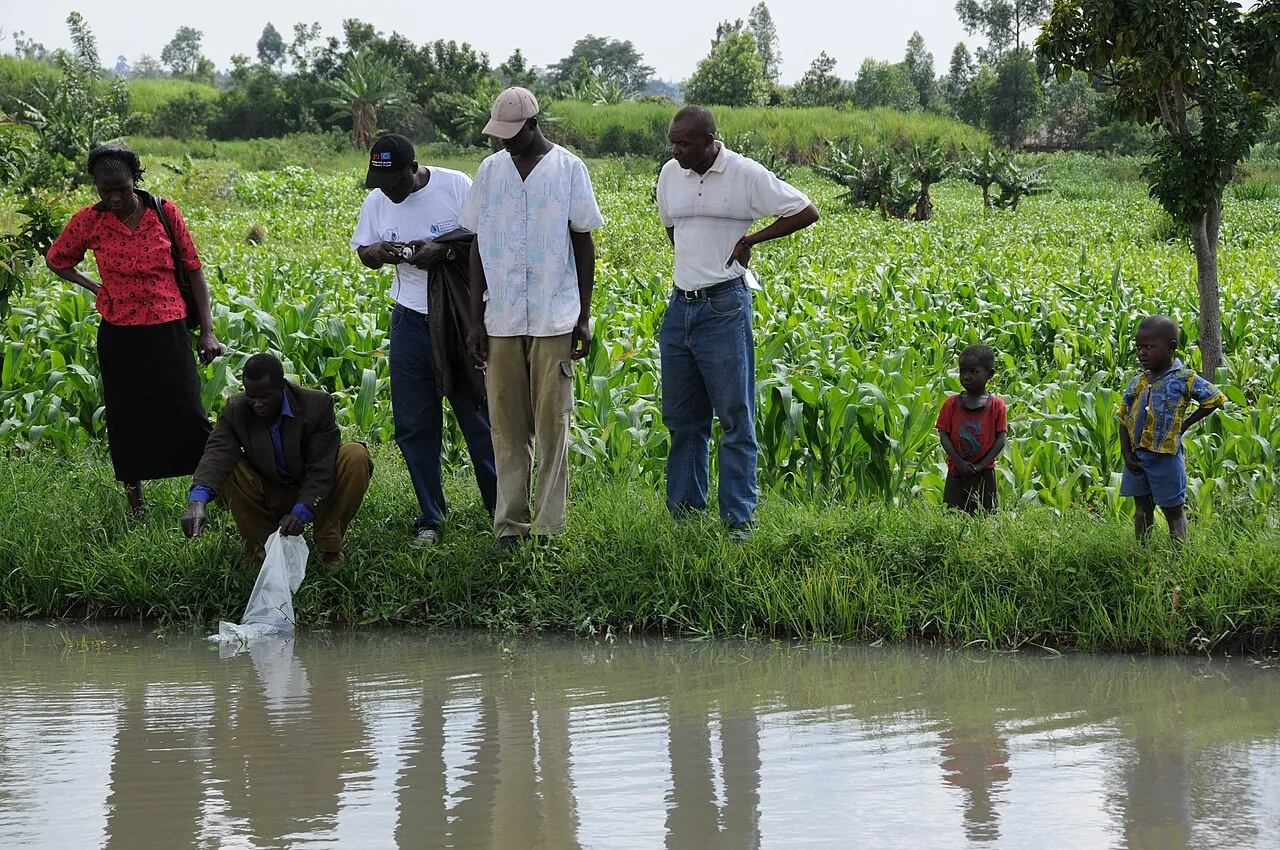 Columnaris Disease in Tilapia: Symptoms, Causes & Treatment Columnaris (Flavobacterium columnare) rots the gills, skin and fins of warm-water tilapia. Spot the cotton-wool lesions, confirm it and treat it for good. Part 4 →
 - 5
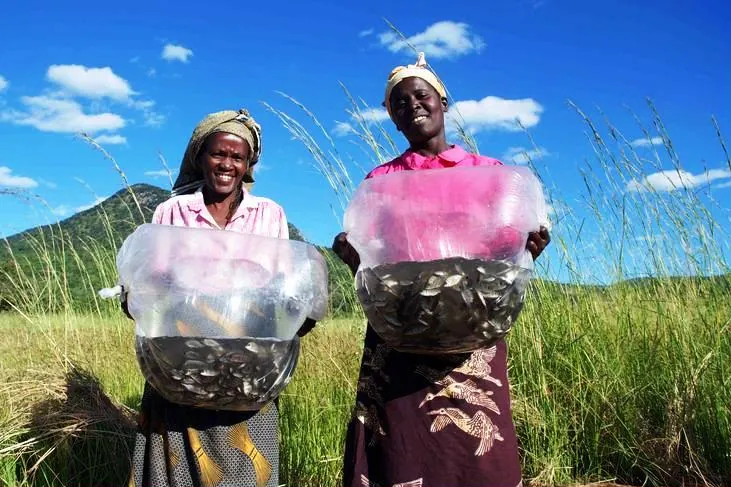 Motile Aeromonas Septicemia (MAS) in Tilapia: Symptoms & Control Motile aeromonas septicemia (Aeromonas hydrophila) hits stressed tilapia in dirty, low-oxygen water. Spot the hemorrhages and ulcers, and fix the cause. Part 5 →
 - 6 Common Tilapia Diseases & the Farm-Management Mistakes Behind Them A field guide to the bacterial, parasitic and viral diseases of tilapia — plus the everyday farming mistakes that let them spread, and how to stop them. Part 6 →
Reading path
Shrimp Health
The viral and bacterial diseases behind shrimp crop loss — white spot, AHPND/EMS, EHP, vibriosis and white feces — and the biosecurity that prevents them.
- 1
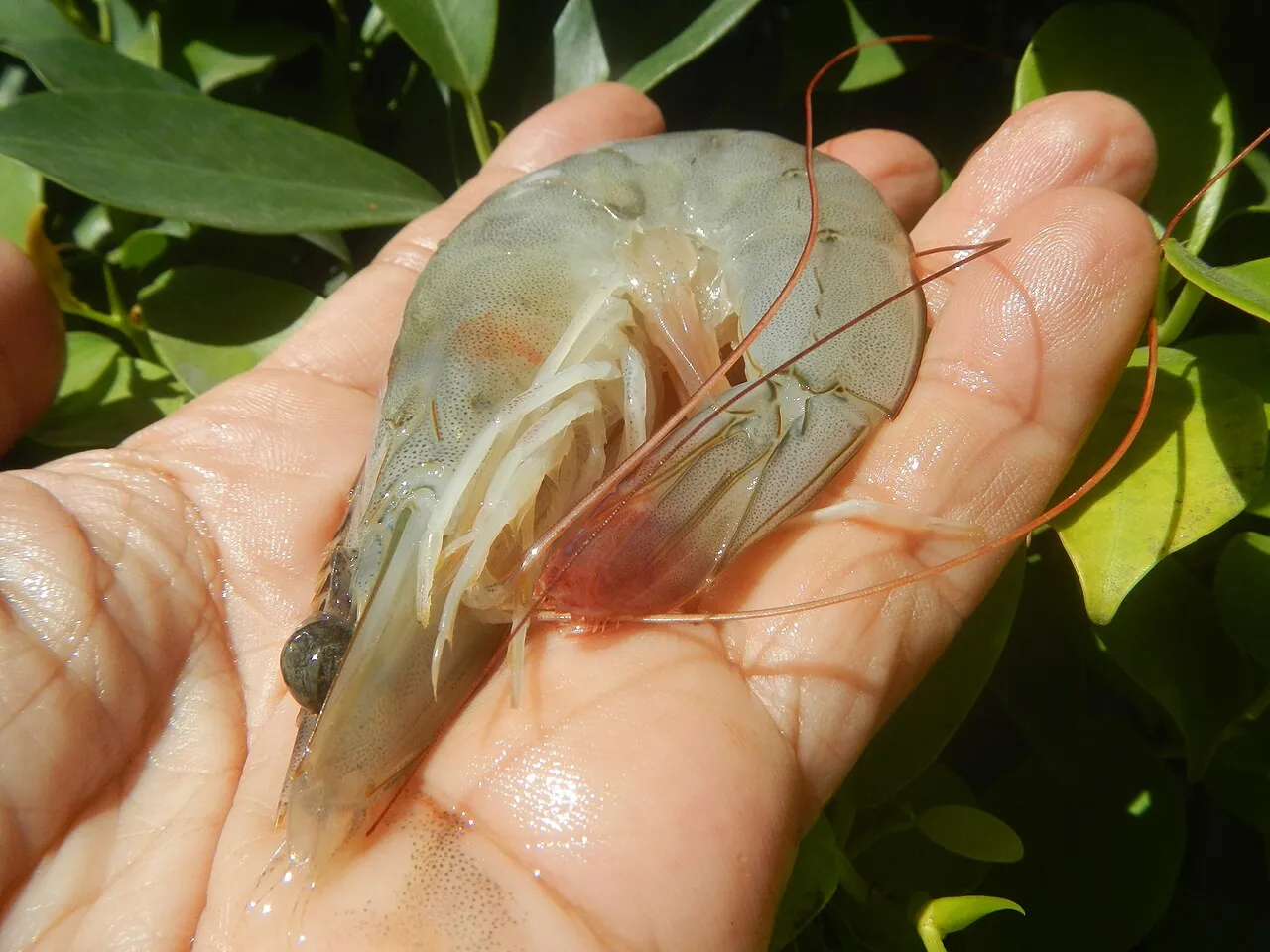 White Spot Disease in Shrimp (WSSV): Prevention & Biosecurity White spot disease (WSSV) can wipe out a shrimp pond in days. There is no cure — learn the signs and the biosecurity and water control that prevent it. Start reading →
 - 2
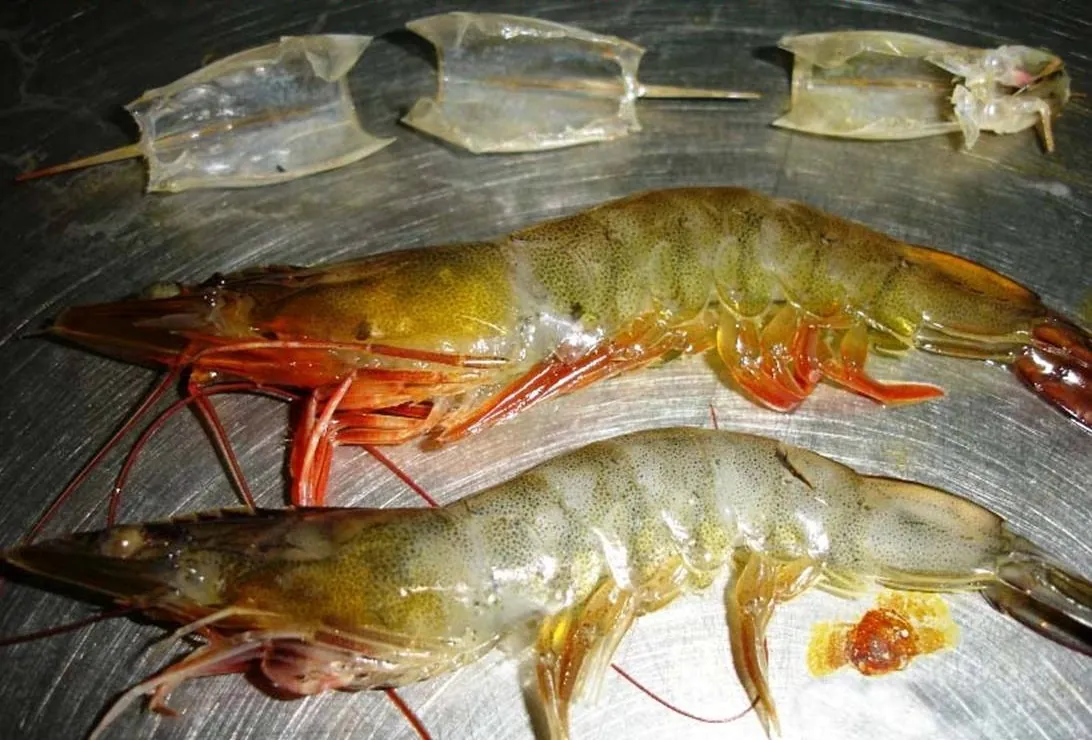 AHPND / EMS in Shrimp: Early Mortality & How to Prevent It AHPND (EMS) kills shrimp in the first month with no cure. The cause — toxic Vibrio parahaemolyticus — the signs, and the biosecurity that prevents it. Part 2 →
 - 3
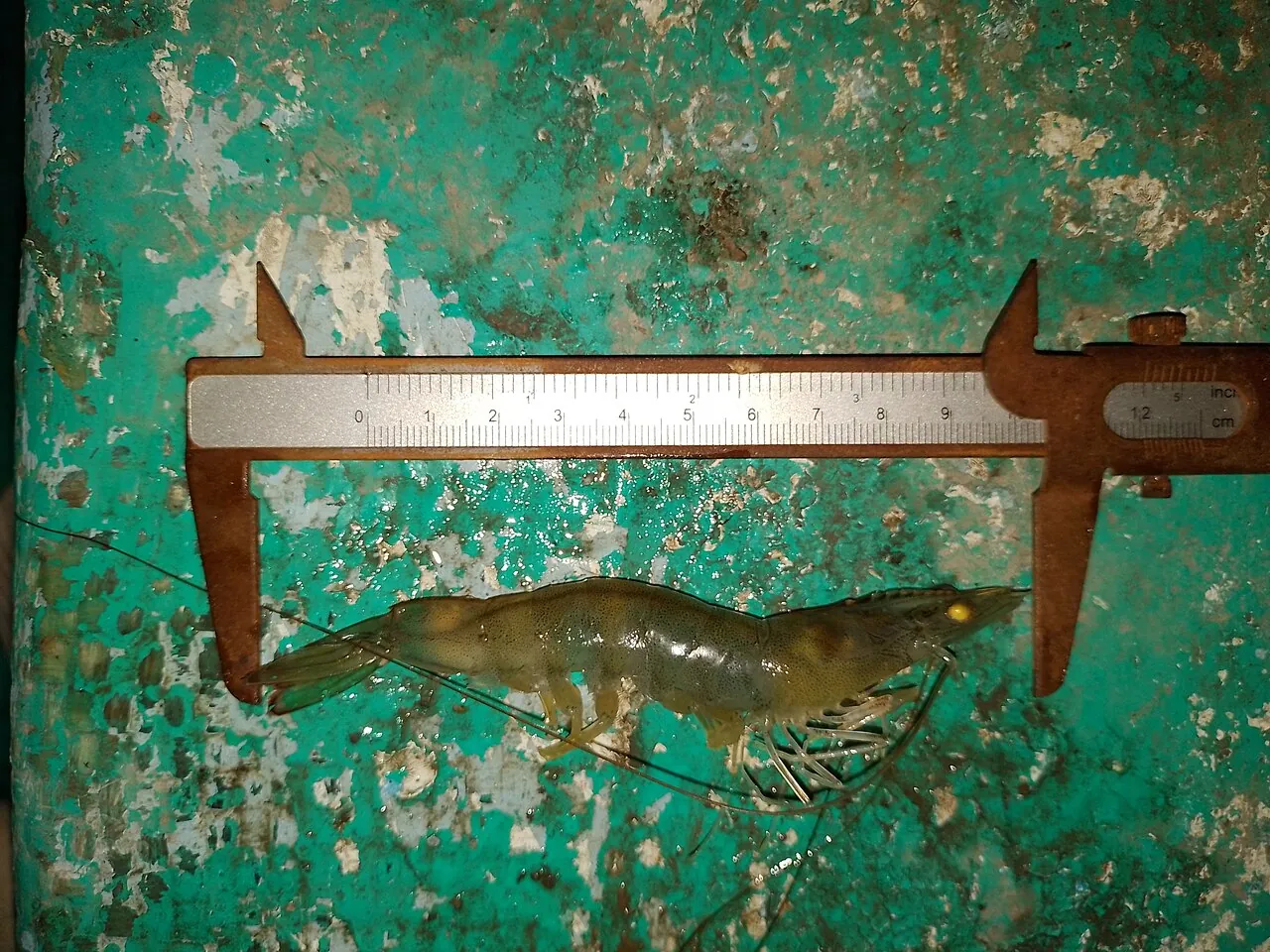 EHP in Shrimp (Enterocytozoon hepatopenaei): The Slow-Growth Disease EHP (Enterocytozoon hepatopenaei) won't kill shrimp — it stunts them. How this microsporidian spreads, how to test it, and the biosecurity that stops it. Part 3 →
 - 4
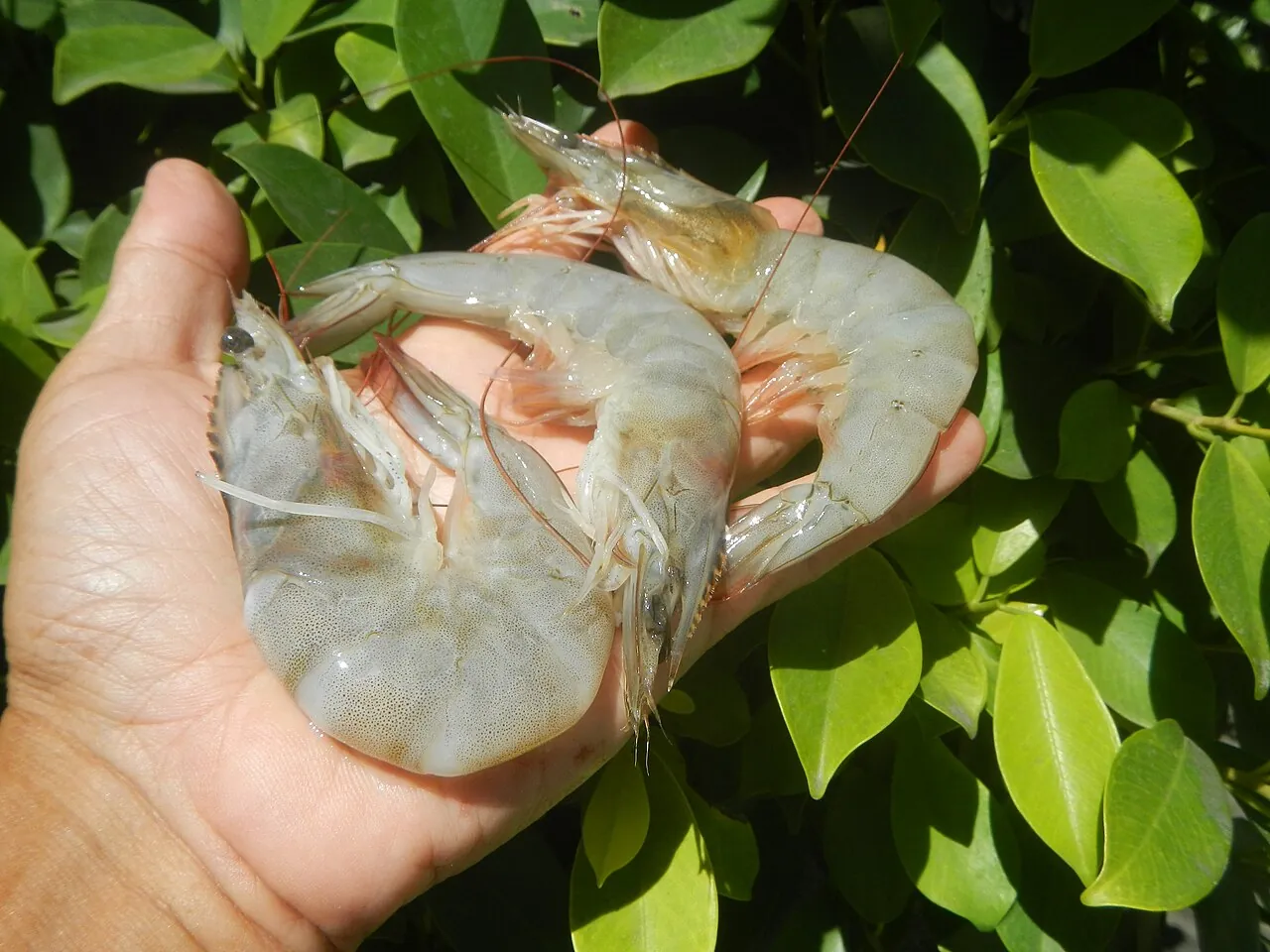 Vibriosis in Shrimp: Red Body, Luminous Disease & How to Control It Vibrio bacteria cause red body, red leg and luminous disease in shrimp. The signs, the TCBS test, and the water and biosecurity control that prevent it. Part 4 →
 - 5
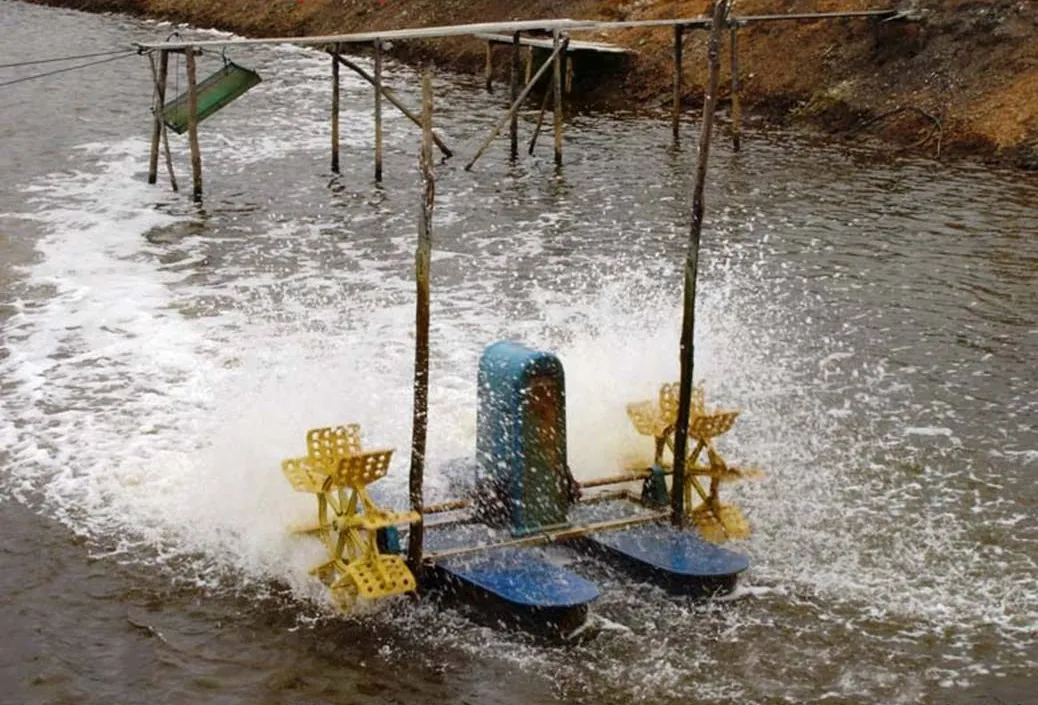 White Feces Syndrome (WFS) in Shrimp: Causes & Control White feces syndrome (WFS) floats white strings on your pond and wrecks FCR and growth. What really causes it and the water and gut control that stop it. Part 5 →
 - 6
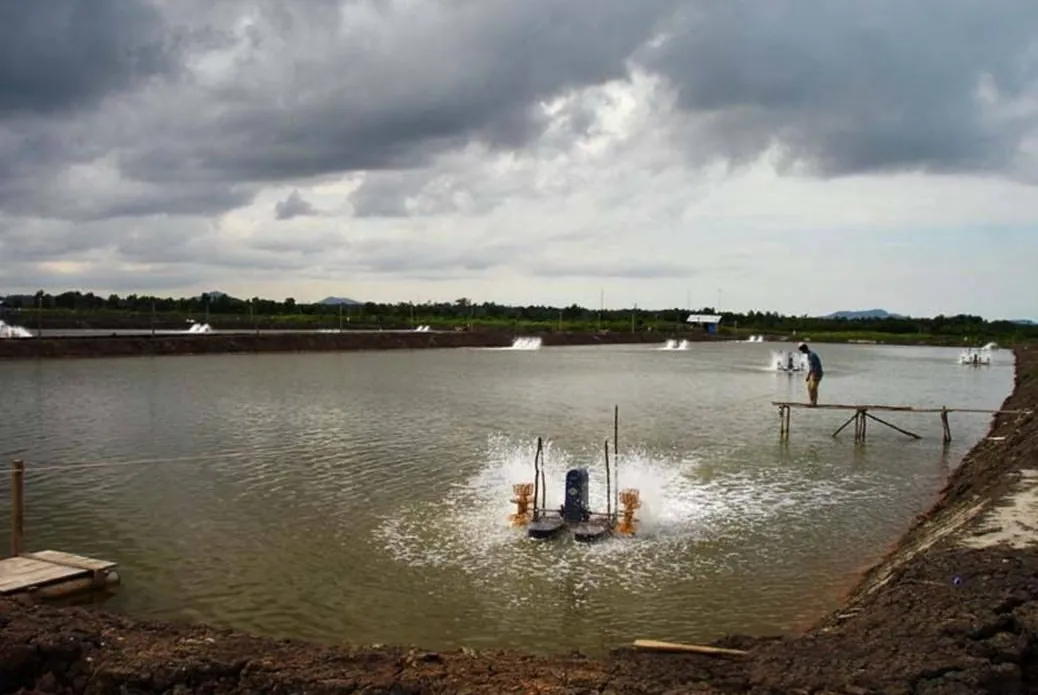 Shrimp Farming Mistakes & a Biosecurity Guide That Works The diseases that wipe out shrimp ponds and the mistakes behind them — non-SPF seed, untreated water, low oxygen — plus the biosecurity that prevents them. Part 6 →
Reading path
Sturgeon Health
Bacterial, fungal, nutritional and husbandry diseases in sturgeon, and the recirculating-system management that keeps them out.
- 1
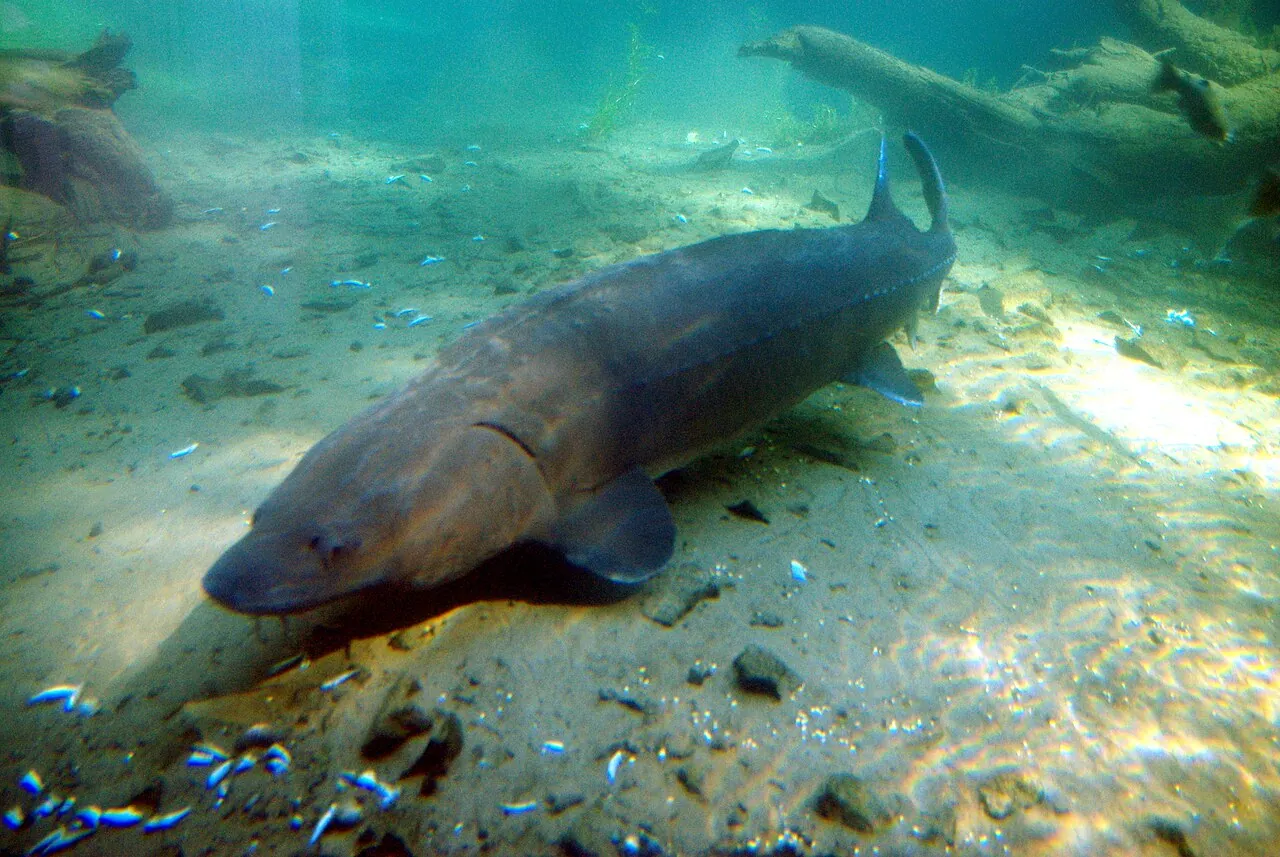 Bacterial & Fungal Diseases in Sturgeon: Symptoms & Control Aeromonas, Pseudomonas, columnaris and Saprolegnia hit sturgeon in RAS when water, oxygen or temperature slip. Spot the ulcers and fungus, fix the cause. Start reading →
 - 2
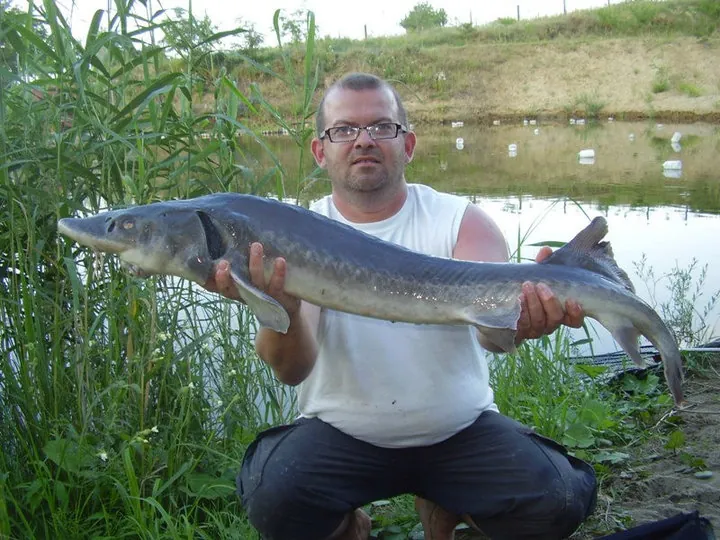 Nutritional & Husbandry Diseases in Sturgeon: Causes & Prevention Most sturgeon losses in RAS aren't germs — they're fatty liver, gas bubble disease, low oxygen and deformities from feed and water errors. Here's the fix. Part 2 →
Reading path
Catfish Health
Columnaris, parasites and enteric septicemia in catfish — diagnosis, control and the management mistakes behind outbreaks.
- 1
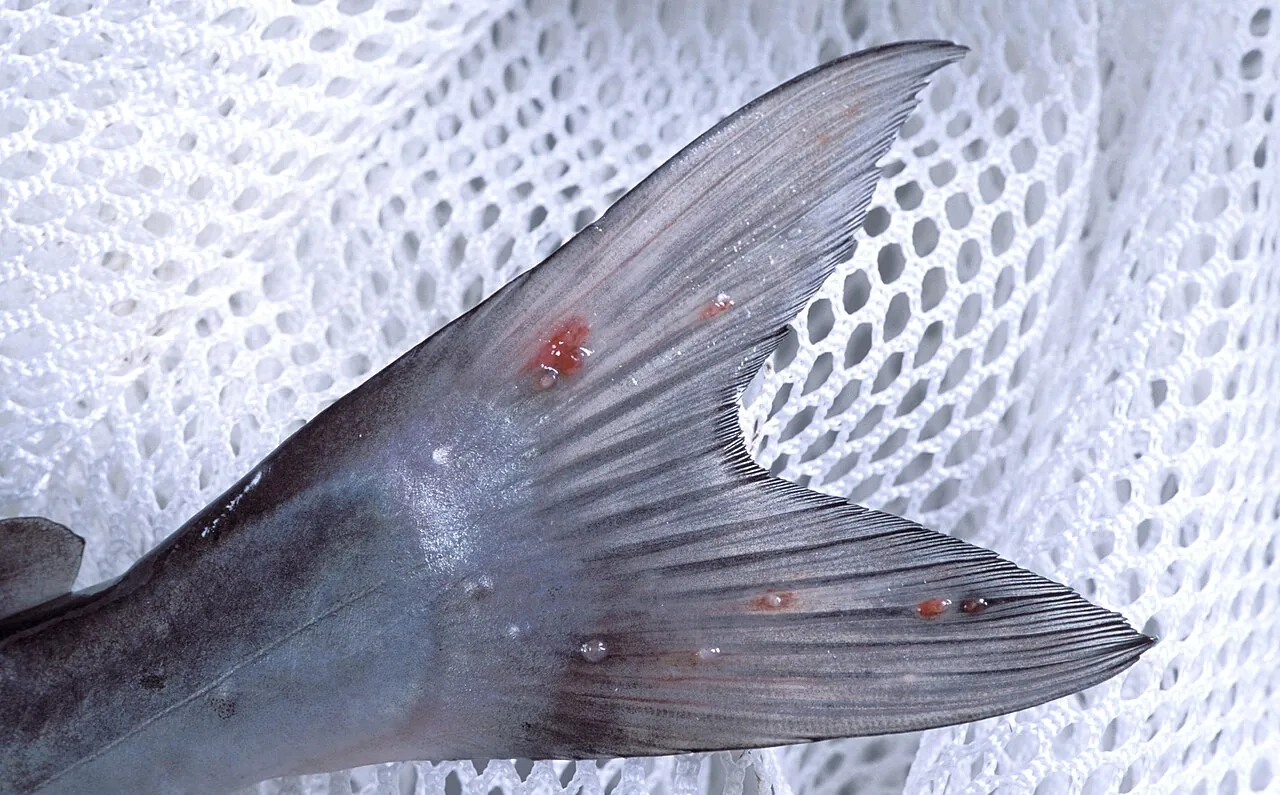 Columnaris and Parasitic Diseases in Catfish Columnaris (Flavobacterium columnare) rots catfish gills and fins, while Ich, Trichodina and flukes ride in on the same dirty water. Diagnose and treat. Start reading →
 - 2
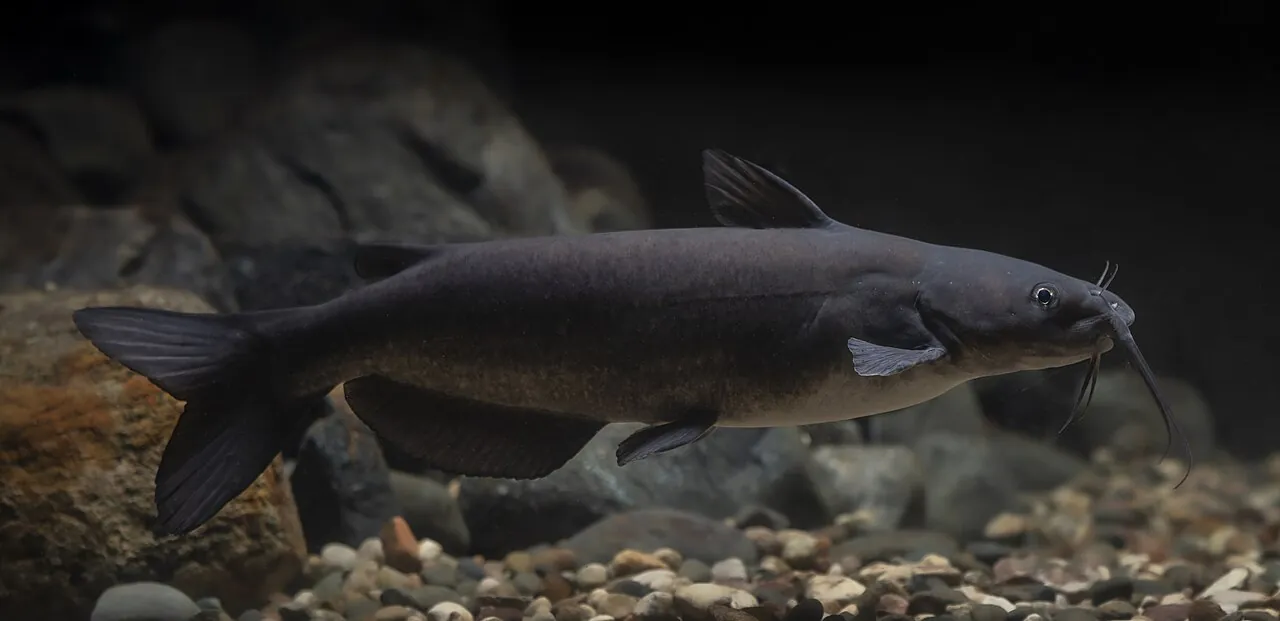 Enteric Septicemia of Catfish (ESC): Symptoms & Control Edwardsiella ictaluri is the number-one bacterial killer of farmed catfish — hole-in-the-head, septicemia, mass die-offs. Spot it, treat it, fix the water. Part 2 →
 - 3
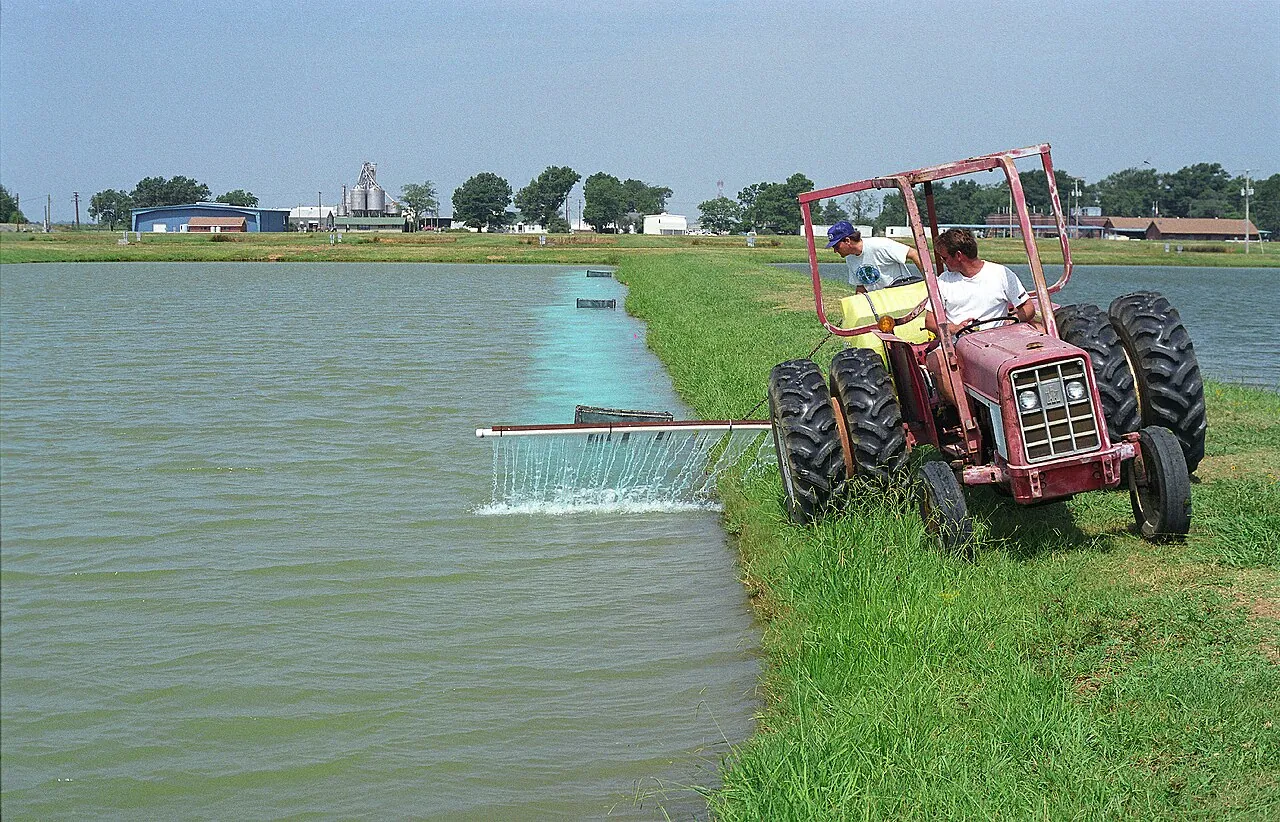 Catfish Farming: Common Diseases & the Management Mistakes Behind Them A field guide to the bacterial, parasitic and fungal diseases of farmed catfish — plus the management mistakes that let them spread and how to fix them. Part 3 →
Reading path
Prevention & Water Quality
Why most outbreaks start in the water, clinical fish disease diagnosis, and the biosecurity foundations that prevent disease across every species.
- 1
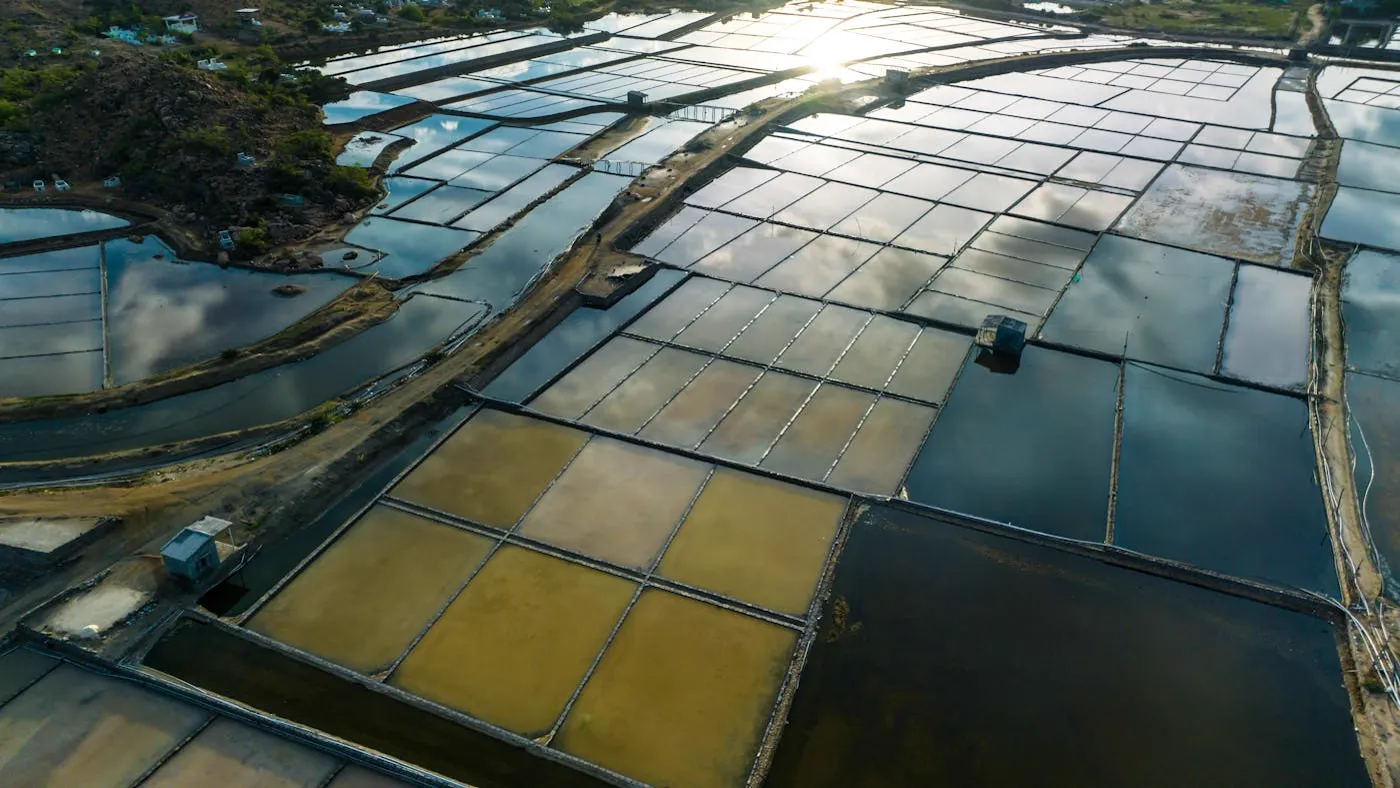 Water Quality & Fish Disease: Why Most Outbreaks Start in the Water Most fish and shrimp diseases start with bad water, not bad luck. The safe ranges for oxygen, ammonia and nitrite — and how to test water before fish. Start reading →
 - 2 Aquaculture Disease Prevention & Biosecurity: A Complete Guide Most fish and shrimp diseases have no cure, so prevention is everything. A guide to aquaculture biosecurity — clean seed, treated water, healthy stock. Part 2 →
- 3 Fish Disease Diagnosis and Treatment: A Symptom-Based Guide Fish disease diagnosis and treatment by symptom — fungal, bacterial, and parasitic — with links to species-specific guides for the exact cause. Part 3 →